Paris is a diverse city for leisurely strolls. Each district offers unique cultural landscapes, each location holds historical emotion and urban anecdotes, and every old street leads people into time tunnels and historical scenes. Wandering aimlessly through Paris's alleys brings unexpected surprises and poetry.
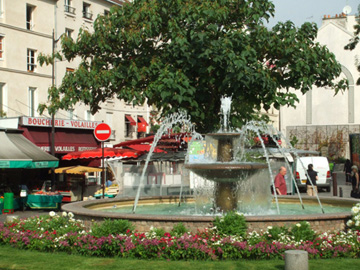
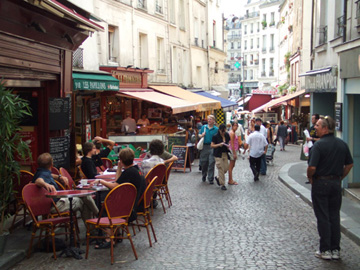
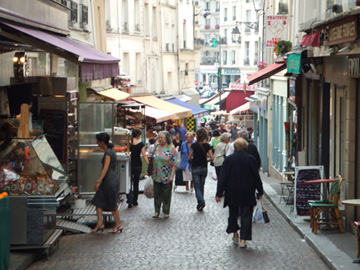
Among Paris's many small streets, Rue Mouffetard in the 5th arrondissement is the most typical. It is one of Paris's oldest streets, preserving the perfect appearance of medieval Gallic alleyways: narrow, long, sloping cobblestone paths. Today, it extends from the Contrescarpe square behind the wall of the famous Henri IV High School near the Pantheon down to the Church of Saint-Médard. Before Haussmann's modernization in 1868, it stretched further to what is now Place d'Italie, an extent hard to imagine today. This typical alley has become a place where Parisians and pilgrims return to the past, allowing them to see architectural scenes from the 16th to 19th centuries, such as the Fontaine du pot-de-fer, built by Marie de Médicis in 1671 to supply water to the Luxembourg Garden.
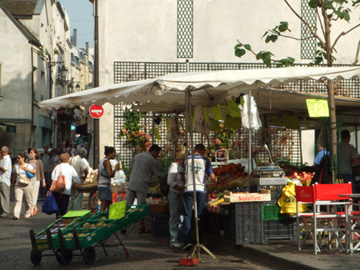
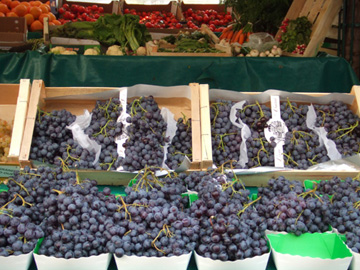
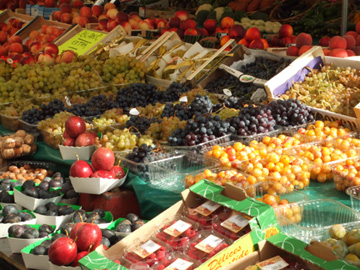
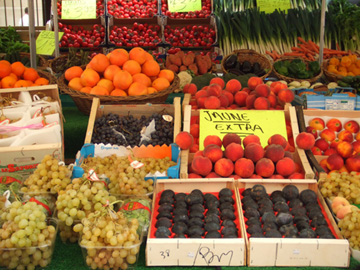
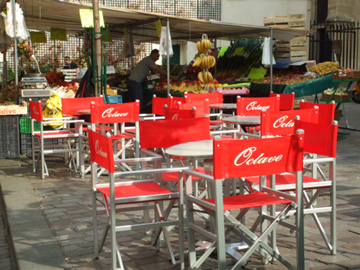
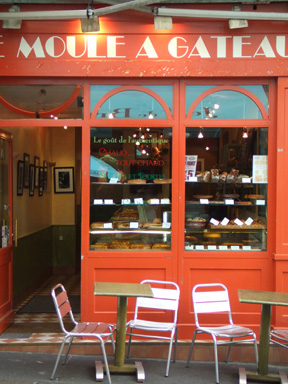
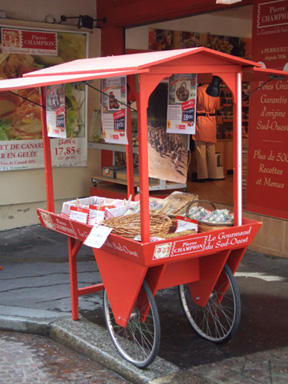
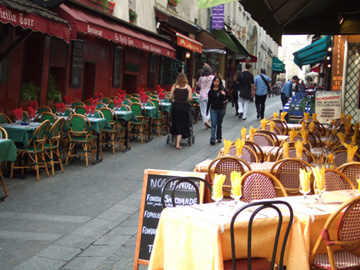
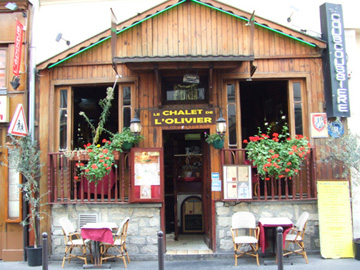
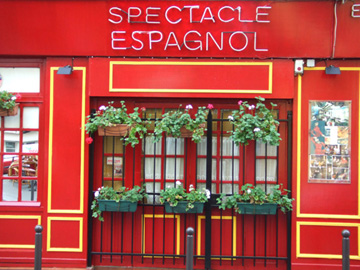
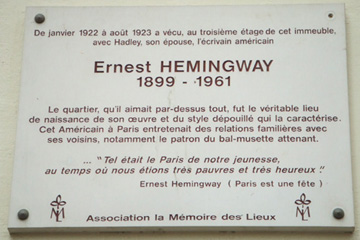
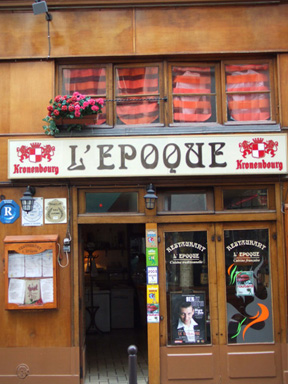
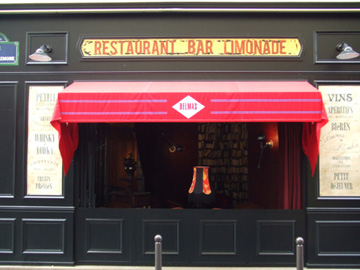
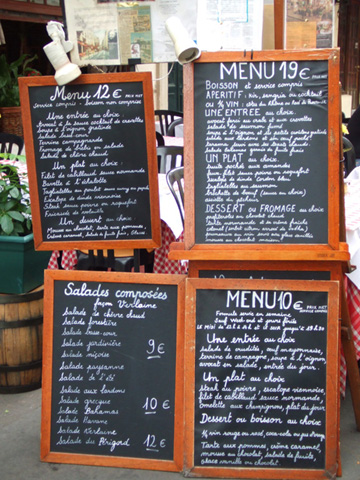
Today, like always, there are outdoor open-air markets (vegetable markets) in front of the church, alongside traditional grocery stores and butcher shops. The entire street is lined with restaurants, cafes, souvenir shops, and takeout establishments, making it a typical tourist and leisure area in Paris. Two anecdotes stand out: American writer Ernest Hemingway and his wife lived next to the iron basin fountain while living in exile in Paris from January 1922 to August 1923. In mid-1950, he wrote, "If you are lucky enough to have lived in Paris when you are young, then it stays with you forever, because Paris is a moveable feast." Another anecdote involves the demolition of house number 53 in 1938, where workers unexpectedly discovered a bag containing 3,350 gold coins from the reign of Louis XV.