Montmartre, Paris
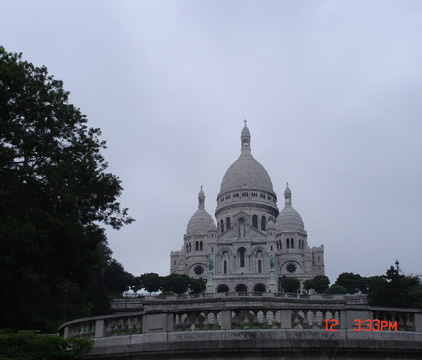
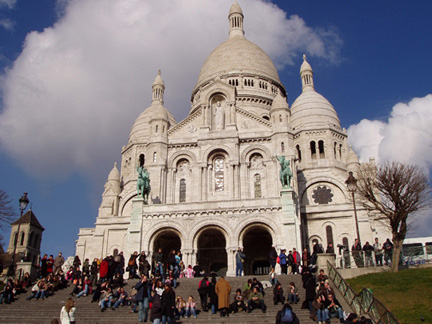
Basilique du Sacré-Cœur
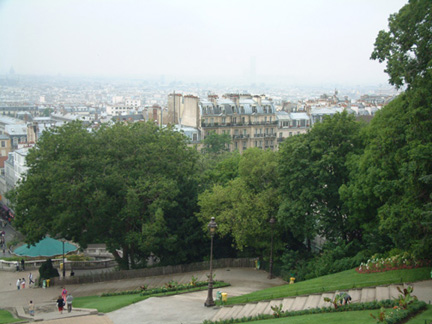
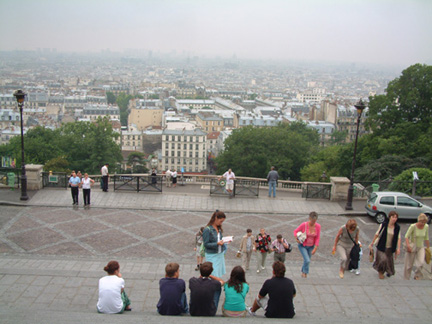
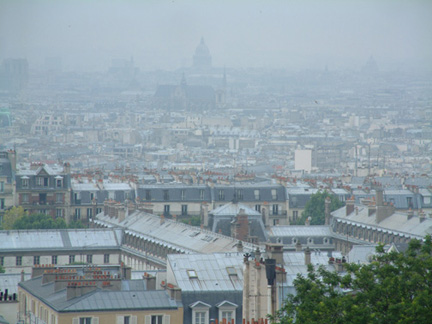
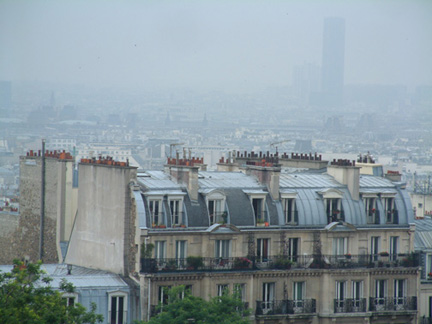
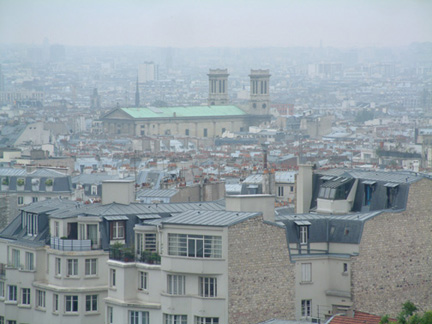
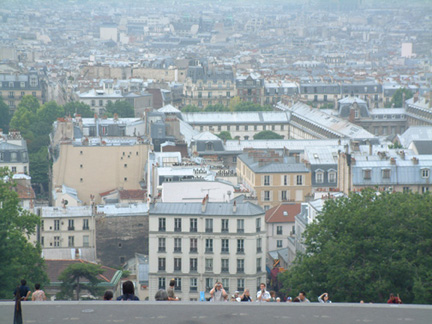
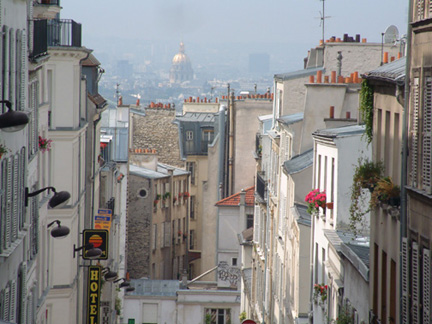
When one mentions late 19th-century Paris—the gentle haven of art—one thinks of Montmartre. This place was once a paradise for Parisian artists; many Impressionist and early 20th-century modernist painters worked or sketched nearby. Examples include Corot’s natural landscapes of Montmartre, Renoir’s famous "Bal du moulin de la Galette," Toulouse-Lautrec’s "Dancers at the Moulin Rouge," or Utrillo’s street scenes of "Montmartre." Today, however, Montmartre has become a pilgrimage site for visitors to the capital city. Yearning for serene sacred spots, the extraordinary Basilique du Sacré-Cœur stands majestically atop the Montmartre hill. From any vantage point in Paris (provided it is slightly elevated), one can see this vast, pure white basilica in the panoramic view. Since Montmartre is the highest point in Paris, it offers an excellent location for viewing the entire city.
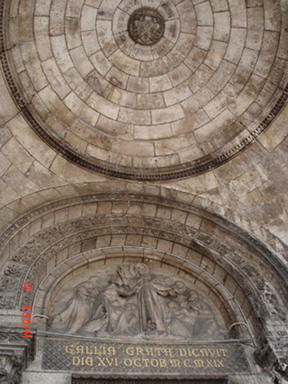
Also known as the White Church, the basilica is constructed entirely from special white stone, making it unique among churches in Paris with its Eastern Roman-Byzantine style. Its origin is deeply moving. It was not proposed by any bishop but stemmed from the vow of devout Catholic merchants during the Franco-Prussian War of 1870, when Paris was besieged for four months. They vowed that if France could escape the Prussian army, they would build an unprecedented holy church dedicated to the Sacred Heart of Jesus Christ, or the "Sacred Heart." Eventually, Paris was liberated. In 1876, funded by donations from across France and based on architect Paul Abadie’s 1875 design, construction began. The building’s inspiration came from the St. Front church in Périgueux, which features Roman-Byzantine architecture. After years of work, it was finally completed in 1914. However, due to the German invasion, the consecration ceremony was delayed until after the victory of World War I in 1919.
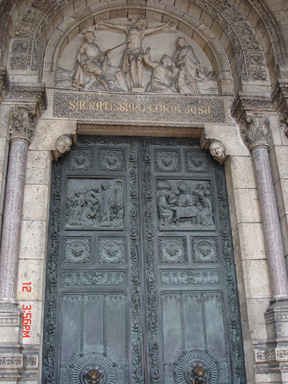
The structure centers around a large Roman dome, flanked symmetrically by two smaller domes, with a square bell tower 84 meters high at the rear. Inside hangs one of the heaviest bells in the world, weighing 18.5 tons, with a hammer alone weighing 850 kilograms. The solemn facade is balanced and symmetrical, featuring rhythmic stairs and three arched porticos. The exquisite bronze relief doors depict the life of Jesus Christ. Above the portico stand two majestic equestrian statues on either side: Joan of Arc on the left and King Louis IX on the right, guarding France. Both are masterpieces by sculptor H. Lefebvre. Above these statues, in a central niche, sits a statue of Jesus, gazing out from Montmartre to bless the city of Paris.
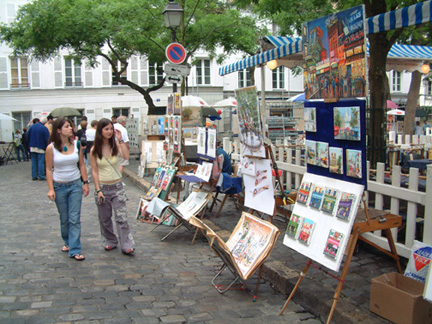
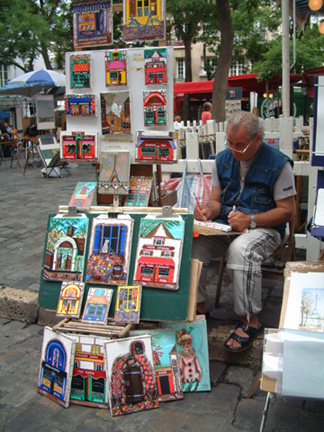
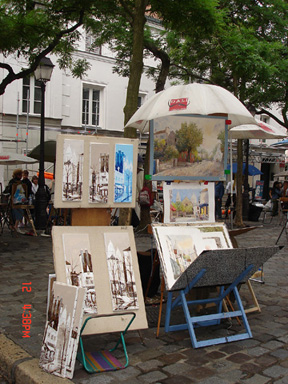
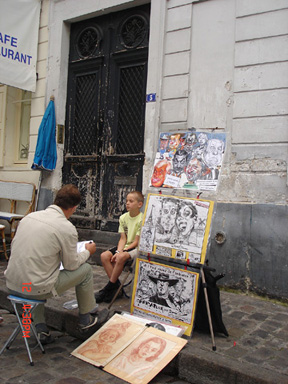
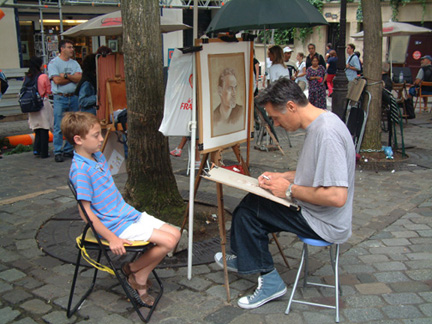
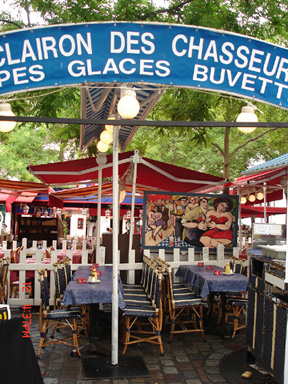
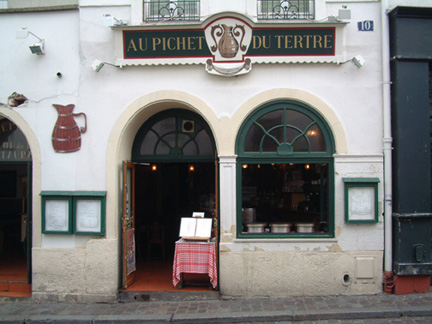
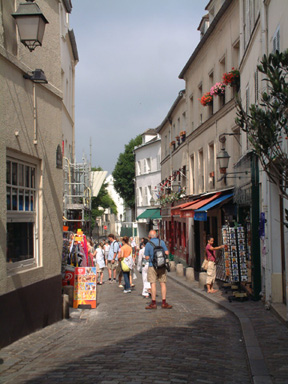
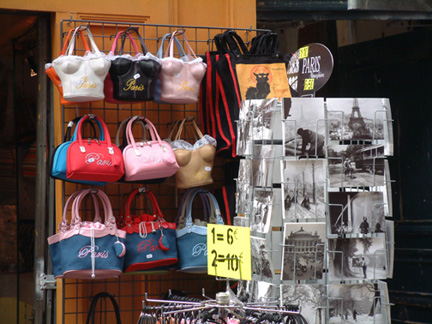
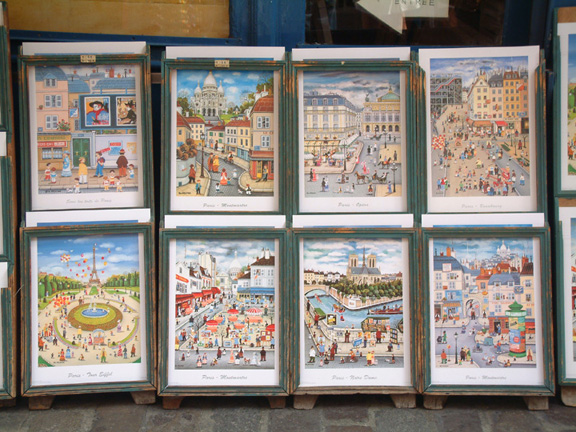
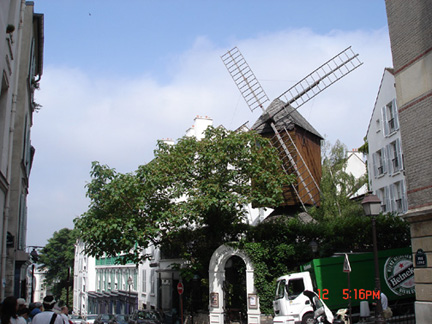
Next to the basilica is the Place des Artistes (Place du Tertre), filled with portrait painters drawing tourists or selling Parisian souvenir prints, making it a current tourist hotspot. The alleys are lined with shops selling souvenir goods, including reproductions of 19th-century paintings, postcards, and posters—unique specialties of Montmartre. Continuing down the alley (Rue Lepic) toward the bottom of the hill, amidst tranquility, one sees the famous "Moulin de la Galette" windmill painted by Renoir. These natural landscapes of Montmartre attracted numerous Impressionist painters.
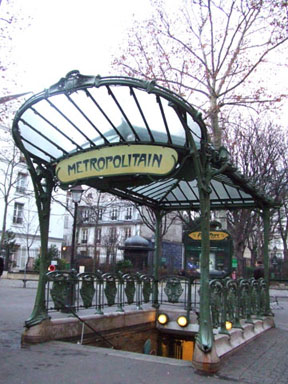
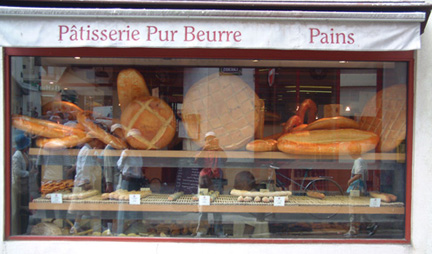
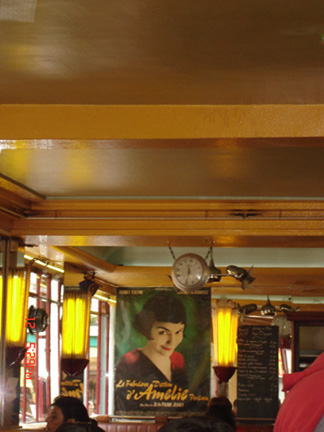
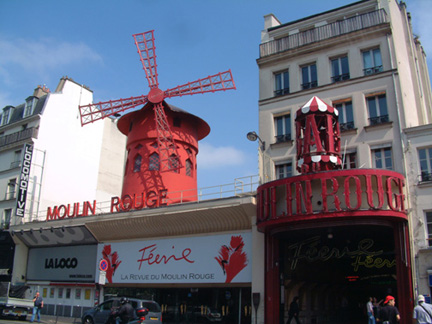
Passing the Abbesses metro station entrance—a representative work of Art Nouveau—and continuing down Rue Antoine, one encounters a distinctive bakery with windows full of various breads. Next to the bakery is a café that served as a filming location for the trendy French film Amélie. Further down leads to the famous Pigalle Square, where the Moulin Rouge, known for can-can dancing and topless shows, comes into view. This area is Paris’s red-light district, home to numerous erotic shops and shows, becoming livelier as night deepens.