Paris, a metropolis where the old and new coexist, has always been undergoing renewal. This is especially true in its ring-road peripheries: from La Défense in the western suburbs (the "Little New York" of the 1960s), through the Villette urban renewal project in the north during the 1980s, to the eastern district’s transformation from the 1990s to the present—centered on the National Library area in the 13th arrondissement and the thriving new Bercy neighborhood across the river. These developments have infused the city with vitality and changed its overall form and appearance.
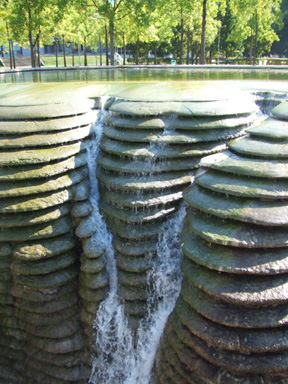
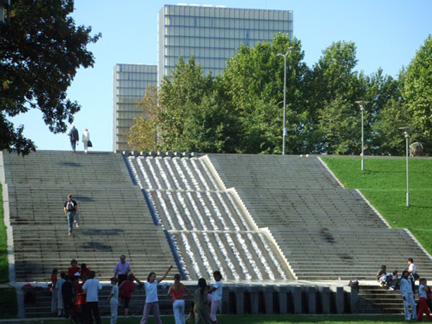
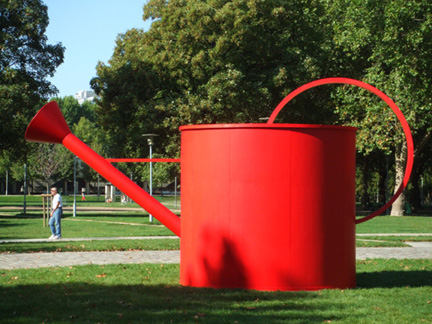
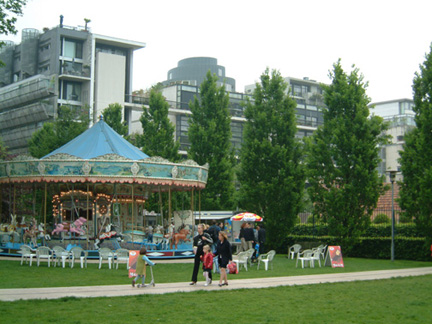
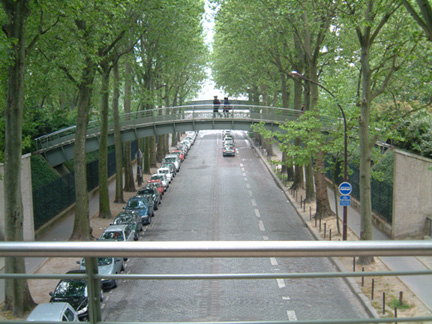
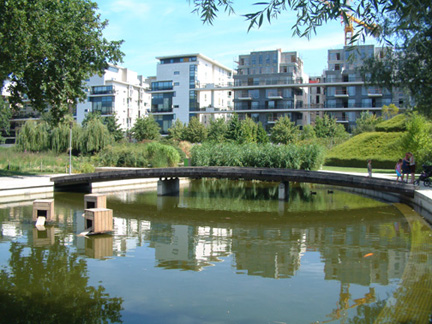
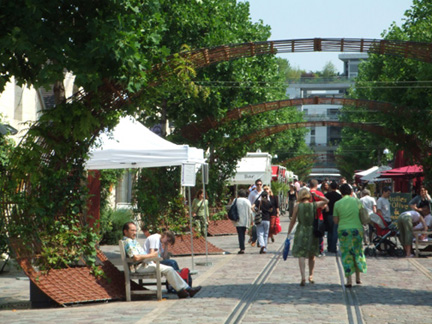
The Bercy district was home to Paris’s largest wine cellars and warehouses since the 19th century. Until the early 1980s, it remained one of the city’s quietest corners, characterized by bright pastoral scenery, lush vegetation surrounding the cellars and country villas, and vineyards—a fact still evidenced today by the tall plane trees and chestnut trees in Parc de Bercy. It also housed the Bercy railway freight station, once the hub of busy storage logistics, leaving behind tracks that remain visible among the park’s leisure shops and small village.
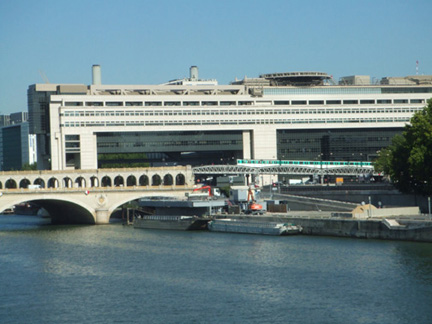
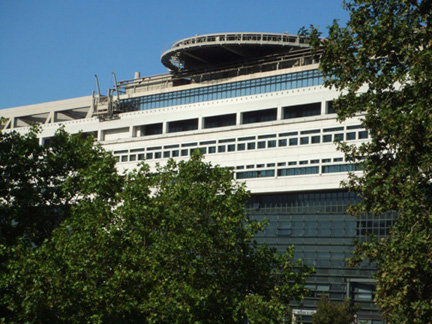
Located in the 12th arrondissement along the ring road and the winding right bank of the Seine (opposite the National Library), this emerging neighborhood stretches from the Bercy Bridge to the Pont International along the ring road, encompassing the modern Ministry of Finance building near Bercy Bridge and the Grand Palais des Vins de France.
Since the mid-1980s, the city’s eastern urban renewal plan has completely transformed the landscape. As warehouses moved to the suburbs and modern communities rose, the previously remote commercial-rural scenery evolved into a prosperous leisure and entertainment district.
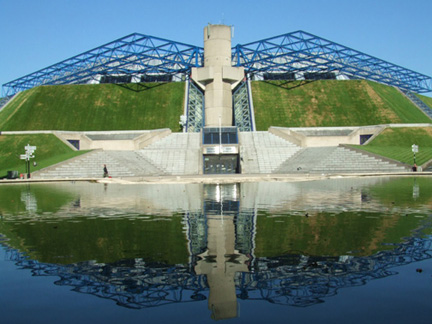
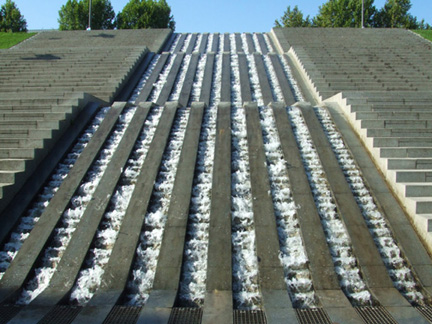
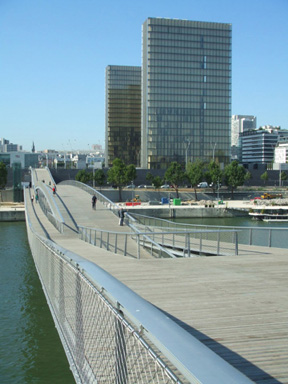
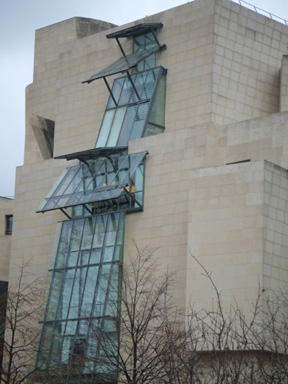
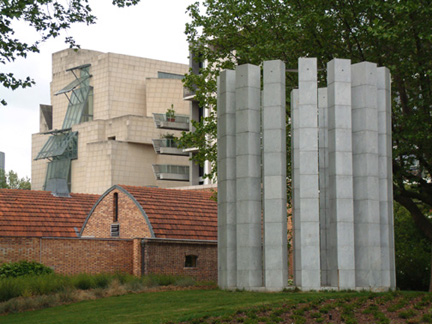
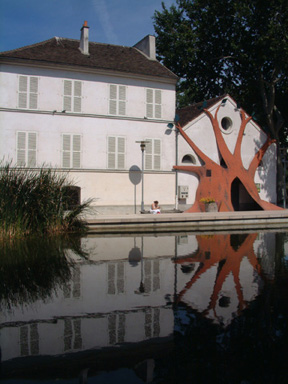
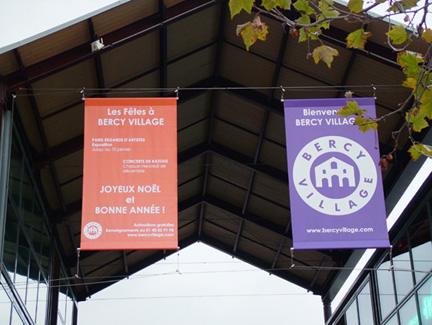
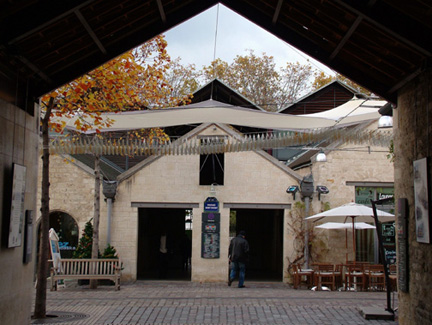
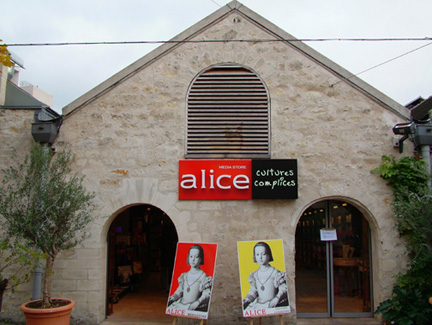
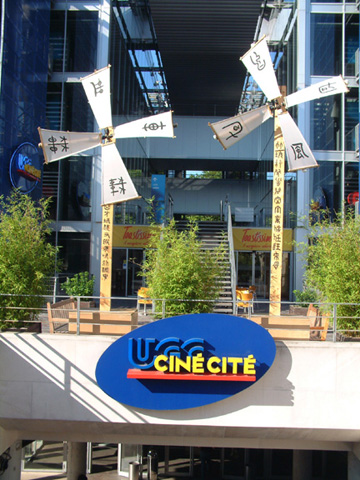
The Bercy Arena, a famous indoor sports complex covered by a pyramid-shaped green lawn, was completed in the late 1980s (a masterpiece by architects Andrault, Parat, and Guvan). It became Paris’s most important large-scale indoor venue for sports and performances, seating 17,000 spectators. Adjacent to it stands the modern Ministry of Finance building; next to it is the former American Center (now the French Film Library), a representative postmodern building designed by Frank Gehry (completed in 1994). The lush Parc de Bercy, series of modern apartment buildings beside the park, and the renovation of old wine cellars into the famous Bercy Village—a leisure shopping street lined with cafes, restaurants, bookstores, shops, art galleries, and a cinema (one of the most successful cases of repurposing idle space)—all contributed to the area’s revival. Behind the village, modern buildings for displaying French wines and offices, as well as modern hotel complexes, were successively completed, benefiting from the launch of the highly modernized Metro Line 14 ("Météor") in the 1990s. With the relocation of the French Film Library into the former American Center and the recent completion (July 2006) of the pedestrian bridge connecting to the National Library across the river, the eastern metropolitan area has been perfectly shaped into a vibrant cultural and leisure zone with all necessary amenities.