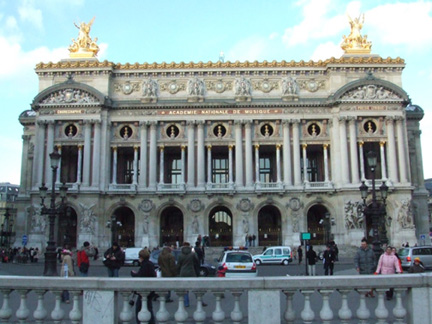
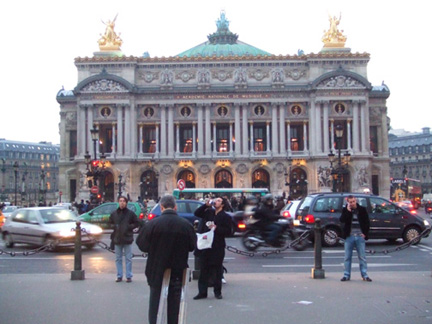
Paris enjoys the reputation of an art capital, with endless exhibitions, plays, dance performances, and films, as well as concerts, recitals, and operas of all kinds—classical, modern, or experimental. The city has two major opera houses—the Opéra Garnier and the Opéra Bastille. The Opéra Garnier is located in Paris's bustling commercial district, not far from the Louvre to the front and a series of high-end department stores (a shopper's paradise) behind it. When people speak of "the opera house," they generally refer to the Opéra Garnier, which serves as the venue for classical French opera and ballet, whereas the Opéra Bastille, like its architecture, is dedicated to modern and experimental works.
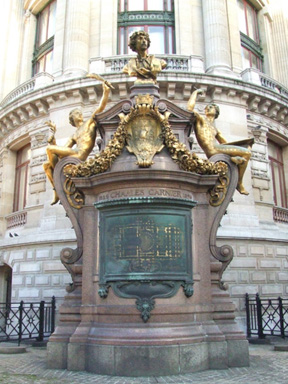
The Opéra Garnier was born during France's Belle Époque, constructed between 1862 and 1875, coinciding with the era of French Impressionism. It is a product of Parisian urban modernization, embodying the style of Napoleon III—a blend of all architectural styles from Classicism to Baroque, best reflecting the wealth of the Second Empire. Designed by the young architect Charles Garnier, it covers an area of 11,000 square meters. This grand theater space can accommodate 450 actors on stage and offers 2,200 seats for the audience. The magnificent ceiling fresco in the lobby was painted by Marc Chagall, and a crystal chandelier weighing six tons hangs above.
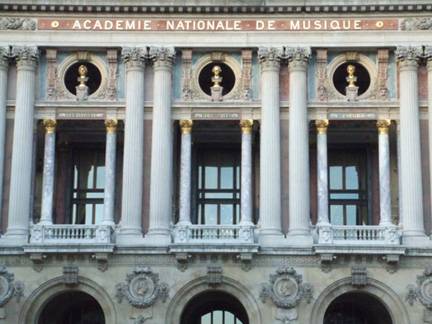
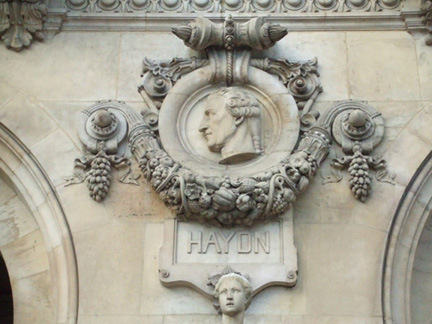
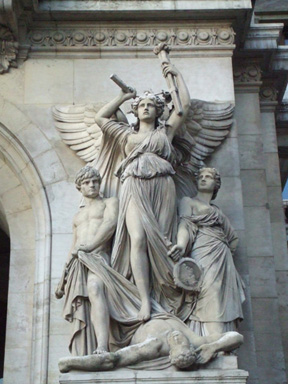
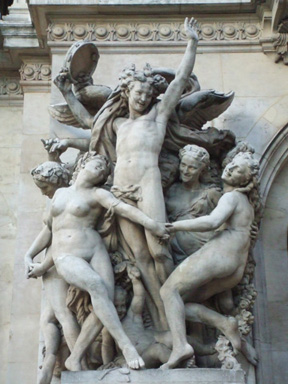
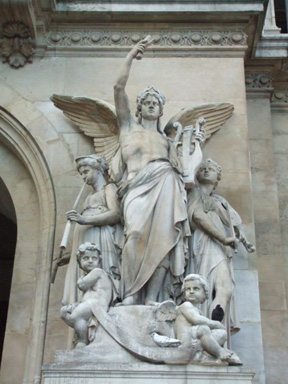
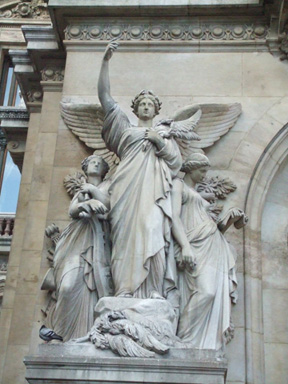
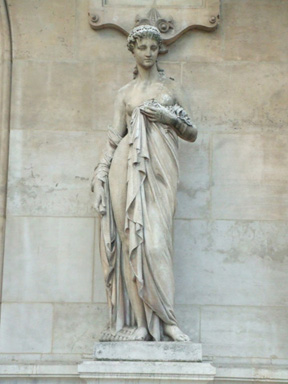
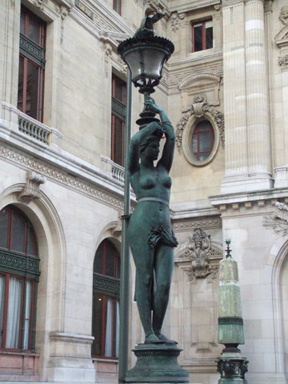
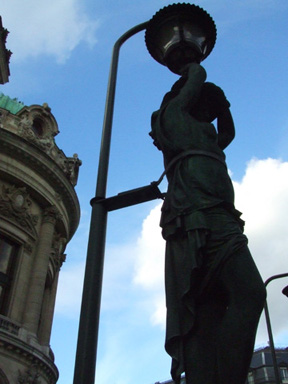
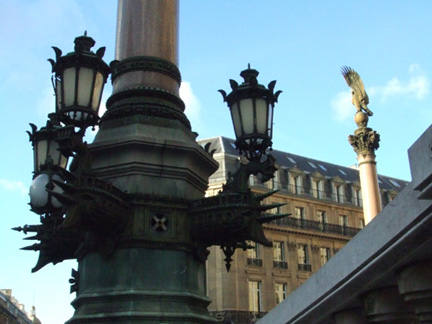
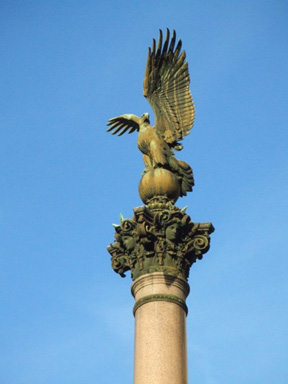
The opulent building of the Opéra Garnier is likened to a giant wedding cake. Constructed with superior stone, marble, and bronze materials, its finely carved facade is adorned with numerous decorations, resembling an extraordinary sculpture museum. The strict, balanced, and symmetrical facade is divided into two levels, each composed of seven porticoes framed by windows. The ground floor features rhythmic arched porticos decorated with sculptural groups themed around dance and opera, while the archways are embellished with bas-reliefs of famous musicians such as Mozart, Bach, Haydn, and Beethoven. The upper level consists of seven large windows formed by tall, symmetrical double columns that follow musical rhythms, exuding solemnity and elegance. Each distinctive window frame is topped with a statue of a renowned playwright. Above, on either side, are classical semicircular pediment reliefs flanking a series of reliefs themed around music. On the roof, dramatic angel sculptures stand symmetrically on both sides, while a verdigris dome at the center features a vivid group sculpture.