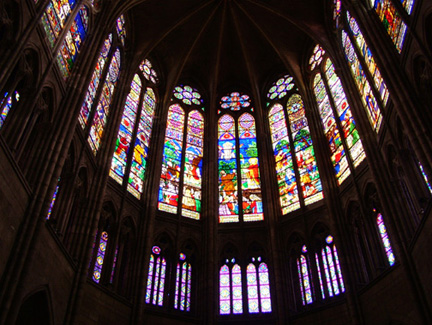
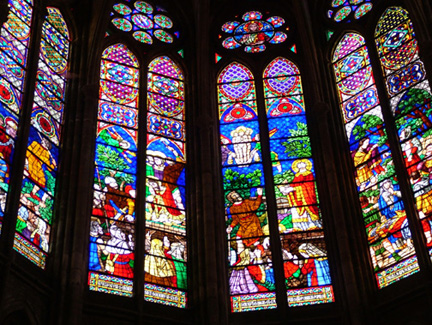
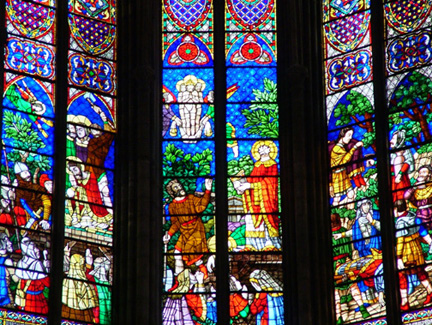
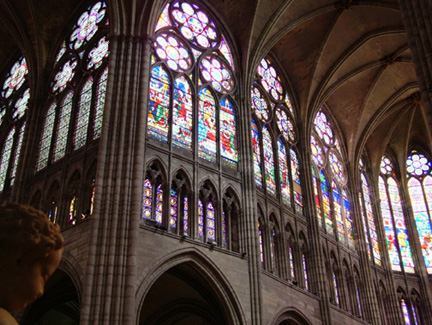
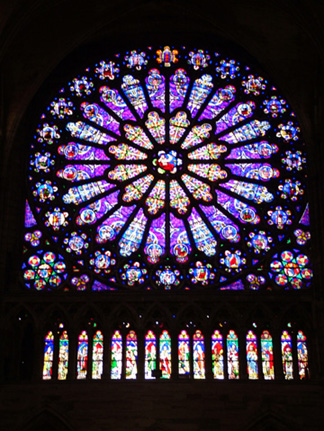
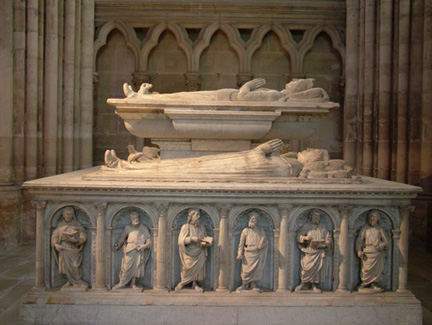
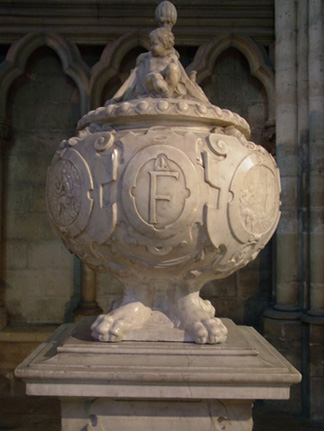
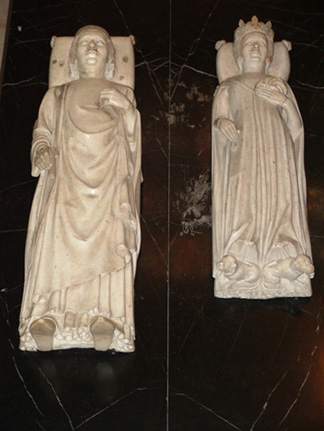
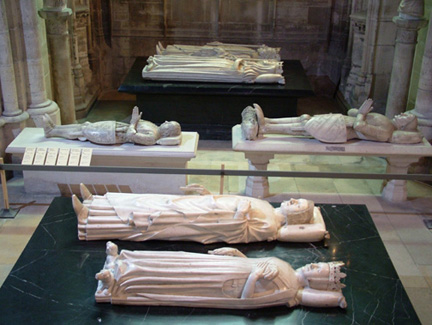
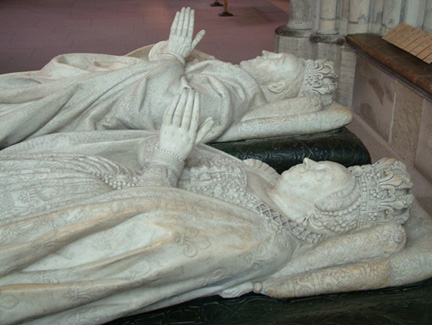
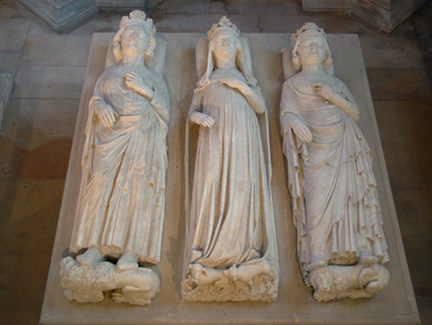
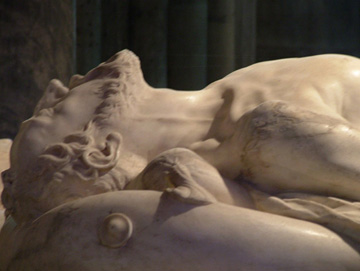
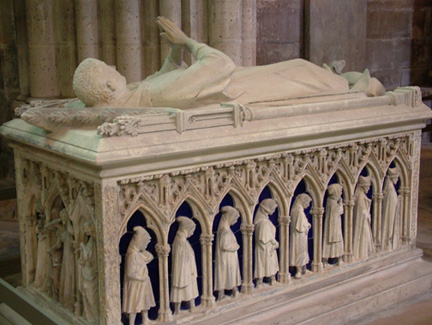
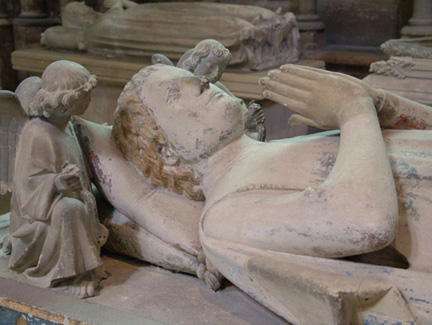
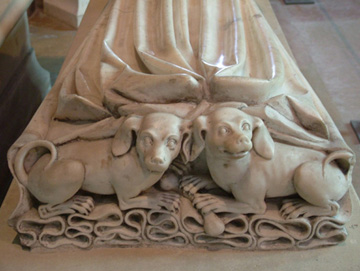
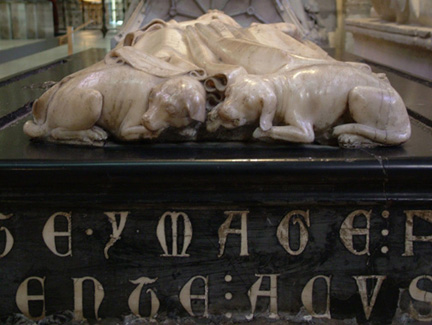
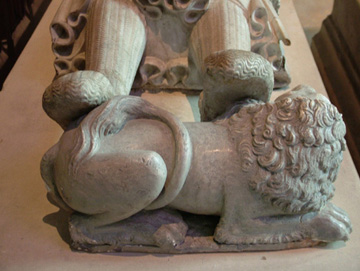
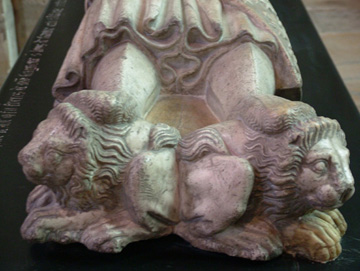
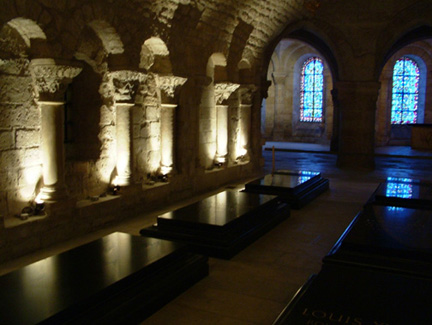
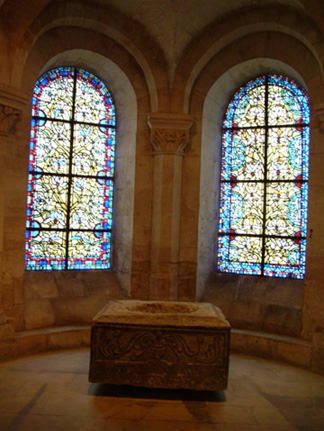
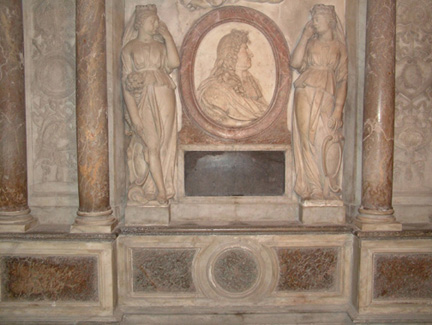
The Basilica of Saint-Denis is essentially a museum of royal funerary sculpture, located in northern Greater Paris. The abbey was rebuilt in the 9th century and not expanded into a cathedral until the 12th century; within its Flamboyant Gothic style, the charming stained glass windows are among the masterpieces of Gothic art. Its underground crypt is the only place in France known as the "Confession of the Romans." It rests the remains of all past French royalty. From the Middle Ages to the 18th century, many royal statues and tombs were destroyed during the French Revolution; they were reorganized by the Restoration king Louis XVIII in the early 19th century and restored to their original state in the 20th century, though some have vanished completely.
In French history, from King Clovis I to Louis Philippe, the last king of the Restoration, there were 68 monarchs belonging to three dynasties: the Merovingian, Carolingian, and Capetian. In this cathedral, the Merovingians and Carolingians rest on the north side, while the Capetians rest under tombs on the south side. This site holds the more complete tombs from France's first king, Clovis I, to the restored Louis XVIII.
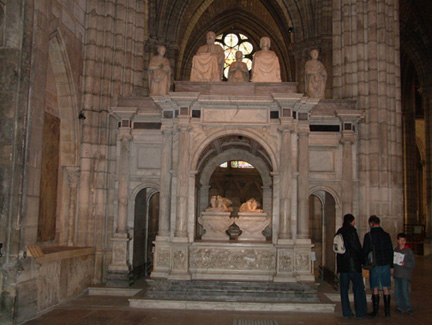
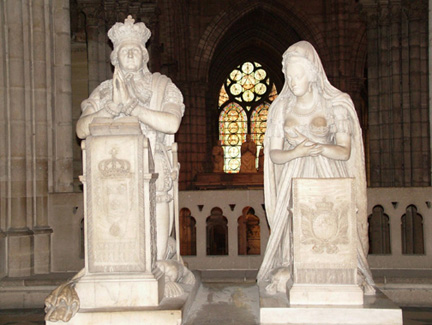
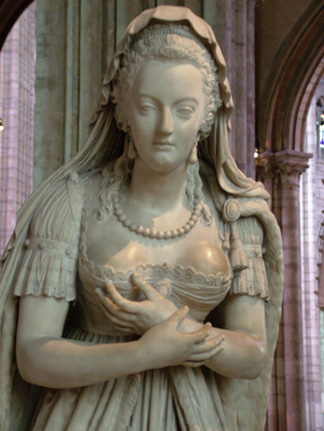
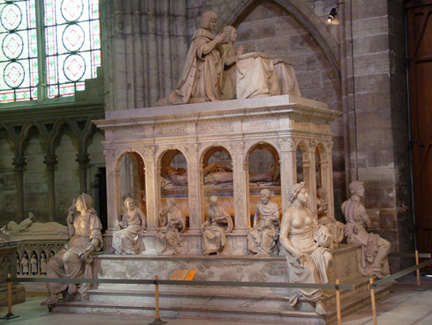
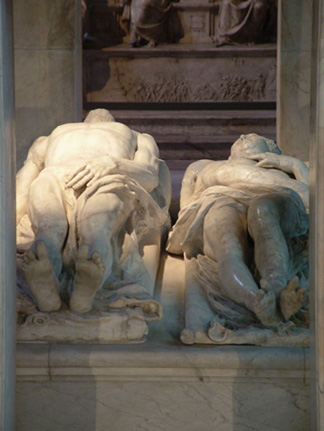
At the entrance, one immediately sees the magnificent grand tomb of Francis I and his wife, followed by the tomb of the Dukes of Orléans. On the staircase landing stand the dignified statues of Louis XVI and Queen Marie Antoinette. Opposite are the grand tombs of Louis XII and his wife, and Henry II and his wife, among others. In the Romanesque-style underground crypt lie the Bourbon dynasty tombs, with Louis VII and Louis XVIII in the central nave below. To the right are the princes' tombs, and to the left, a pile of royal bones inscribed on marble steles with the names of various kings, queens, and descendants. On the right stand monuments to France's two most famous kings, Henry IV and Louis XIV (though these are not tombs).