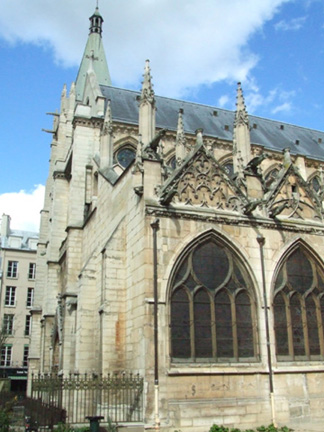
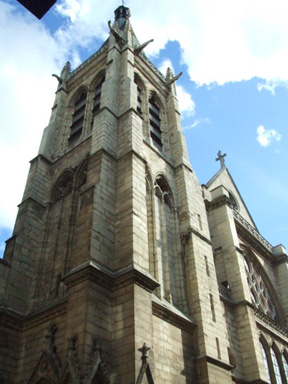
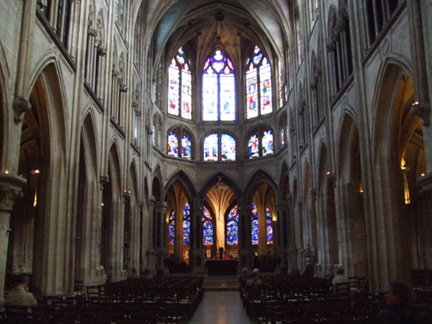
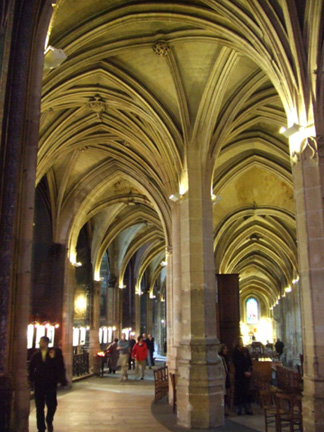
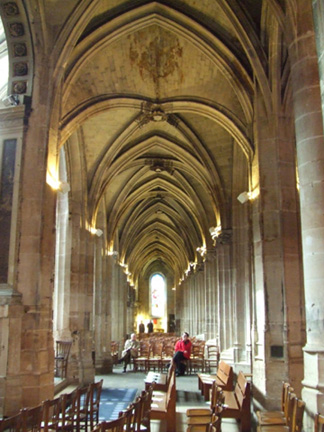
St. Severin Church is located in the Latin Quarter on the Left Bank of the Seine, not far from Notre-Dame de Paris, facing St-Julien-le-Pauvre. It is one of Paris's oldest and most beautiful Flamboyant Gothic churches. After a massive massacre in 524, only Clovis I's grandson, later Saint Claude, survived; he was adopted into the St. Severin monastery and became a hermit there. The prayer room later became a small chapel, and by the 11th century, St. Severin had become the busiest church on the Left Bank. In the 13th century, due to the Fourth Crusade, the cathedral was rebuilt in the emerging Gothic style. By the 15th century, double aisles were added inside the church, culminating in the magnificent Flamboyant style by 1530.
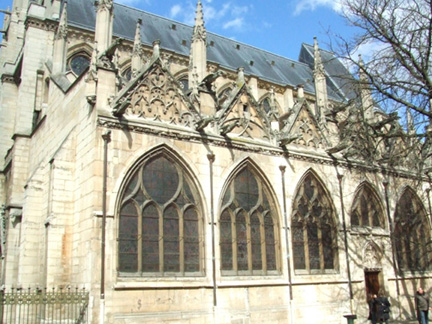
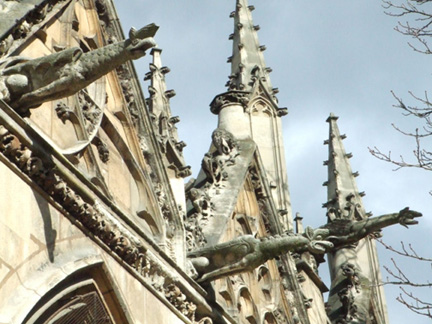
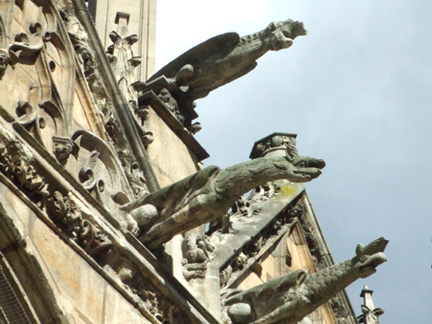
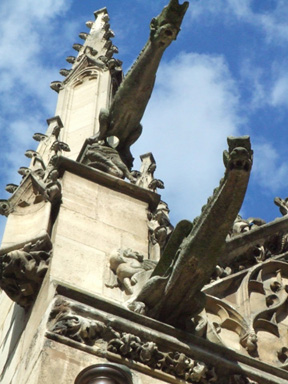
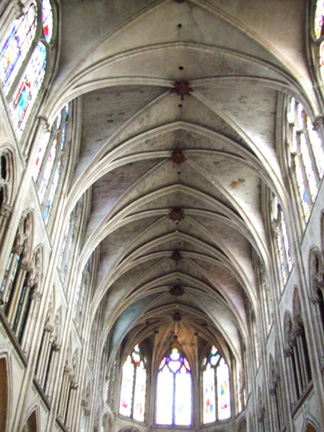
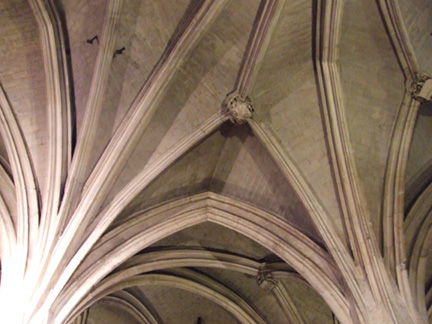
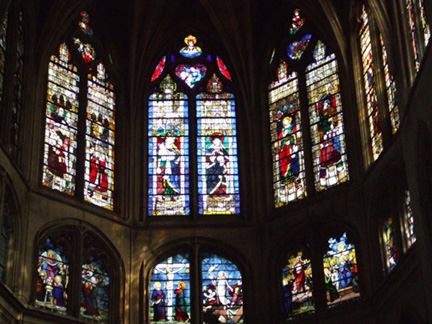
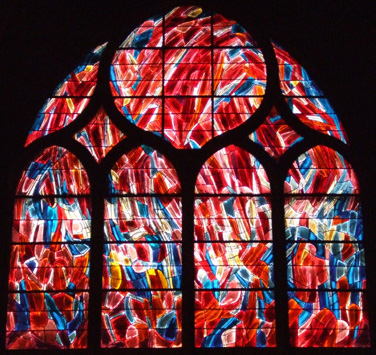
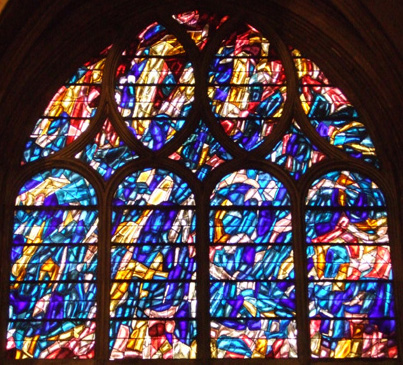
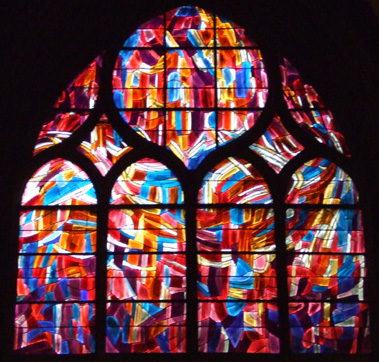
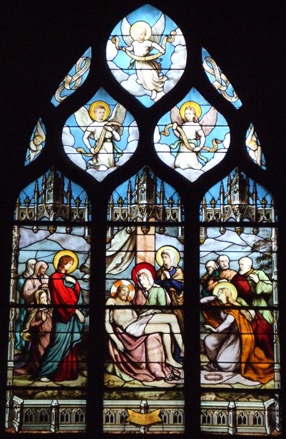
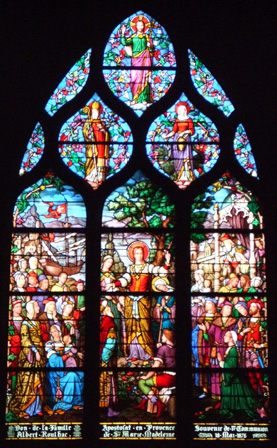
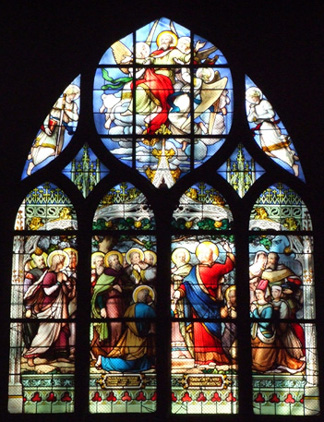
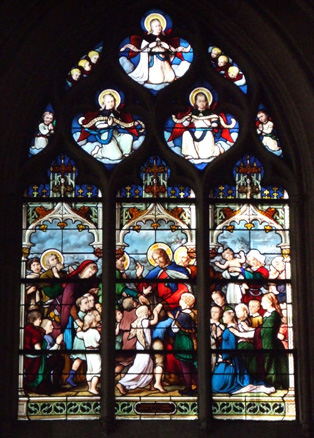
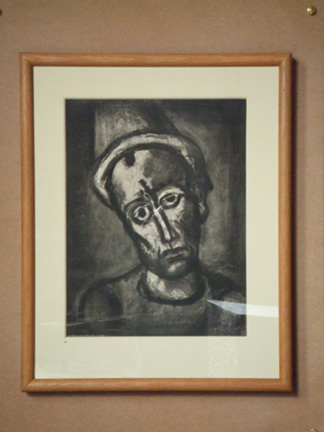
In 1681, Louis XIV's cousin, after breaking with St-Sulpice, took over St. Severin. In 1684, she invited Le Brun, an architect from Versailles, to renovate the altar, giving it its current appearance. The exterior dates to the 13th century, with the south side being particularly spectacular, featuring gables decorated with moldings and remarkable gargoyles. Inside, notable features include the altar, double aisles, Flamboyant vaults, stained glass depicting miracles of Jesus from the late 15th and early 16th centuries, and modern abstract stained glass works by Bazaine. A highlight in the chapels is Georges Rouault's series of paintings on the Passion of Christ.