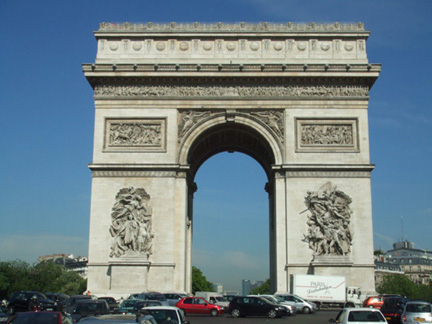
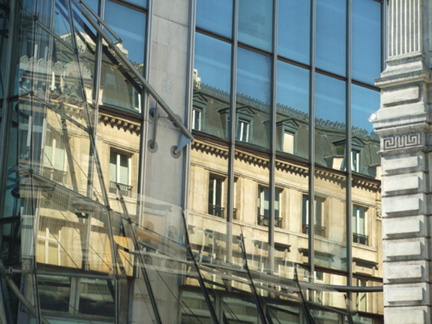
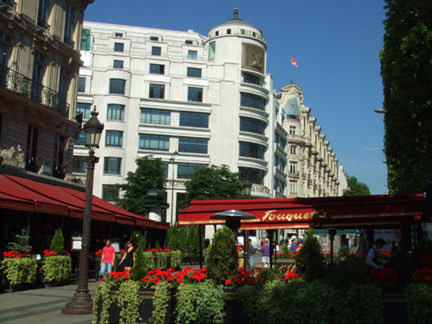
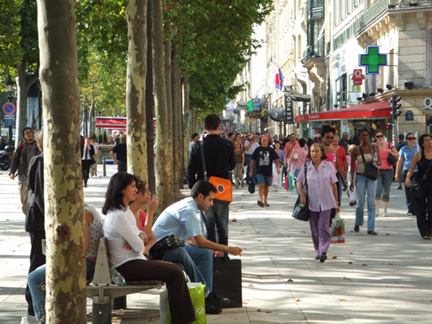
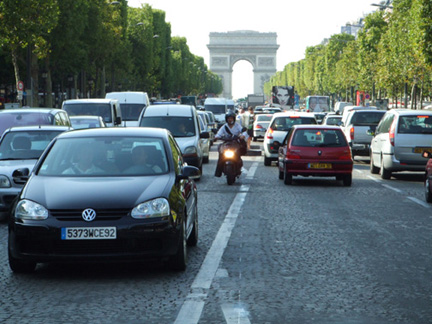
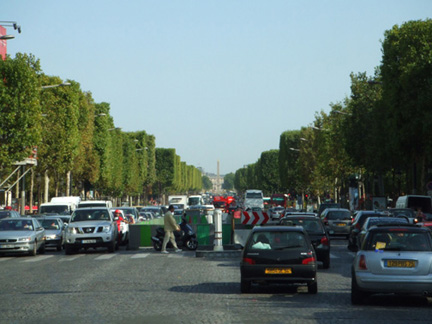
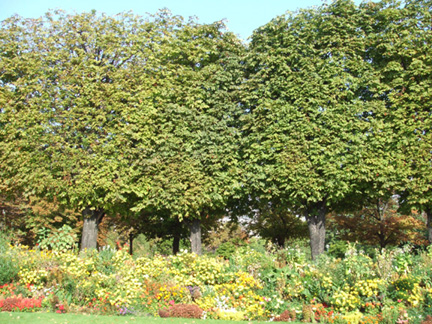
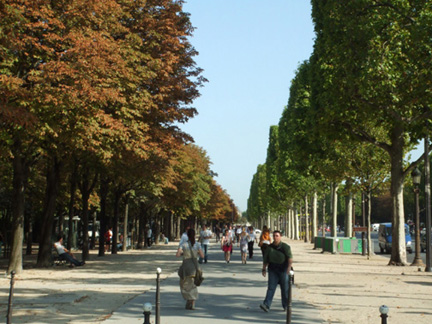
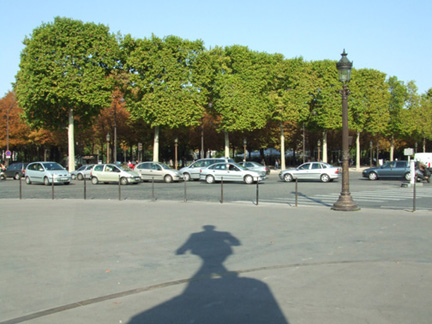
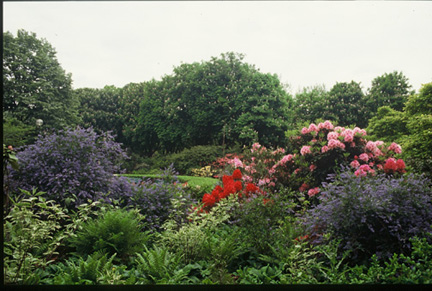
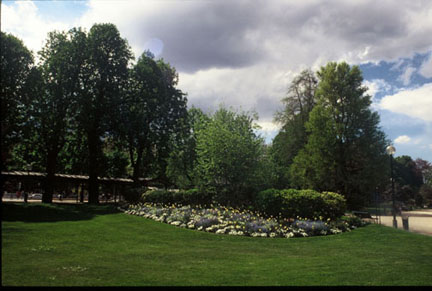
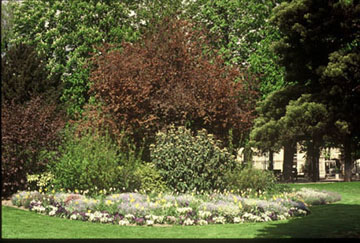
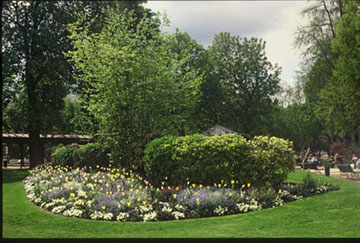
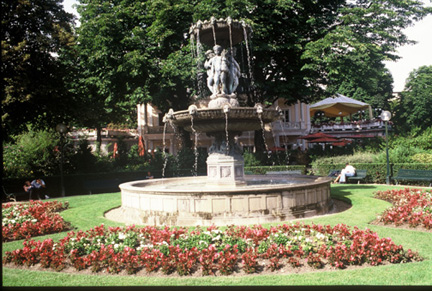
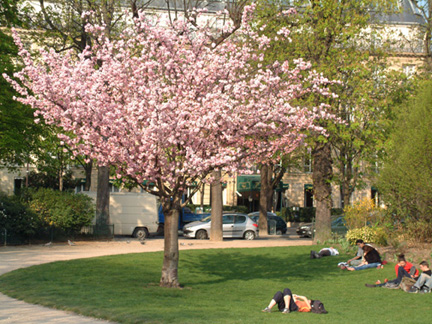
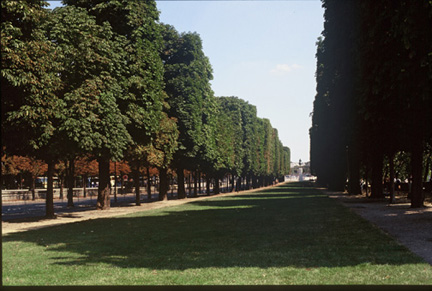
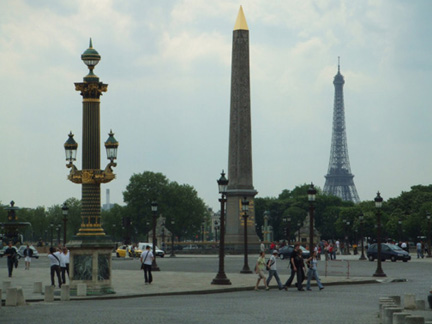
When visiting the magnificent Arc de Triomphe in Paris, directly opposite is the world-famous Champs-Élysées. Its long, straight, tree-lined avenue vanishes into the distance at the obelisk of the Place de la Concorde. This spectacular Champs-Élysées stretches from the Arc de Triomphe to the Place de la Concorde. The avenue is divided into two parts: the first half is a bustling international commercial boulevard from the Arc de Triomphe to the Rond Point; the second half is a vibrant garden full of flowers and trees, extending from the Rond Point to the Place de la Concorde. Between them lie various palaces and the Élysée Palace, the French President's residence.
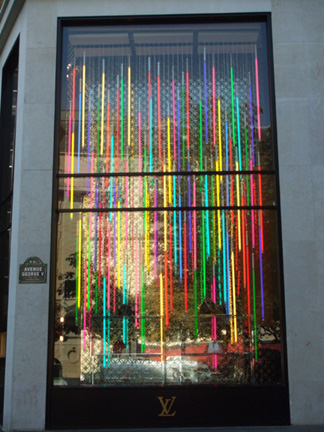
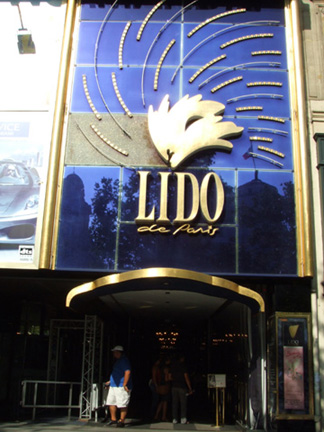
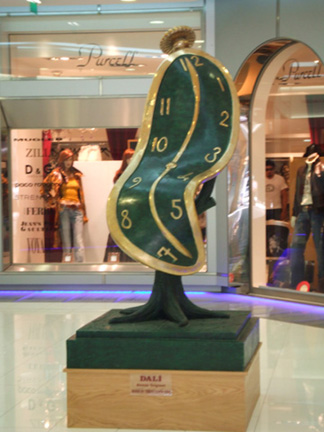
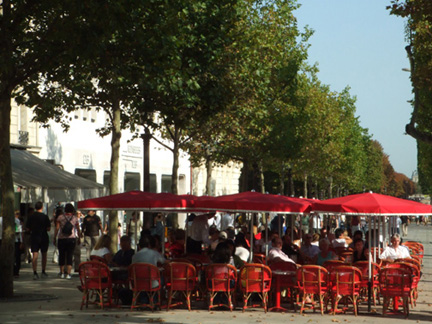
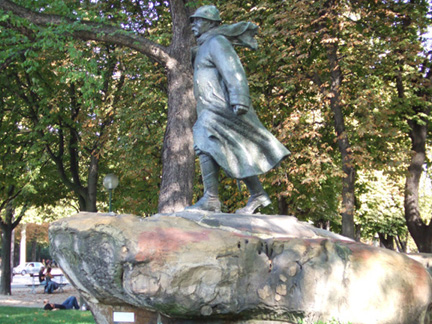
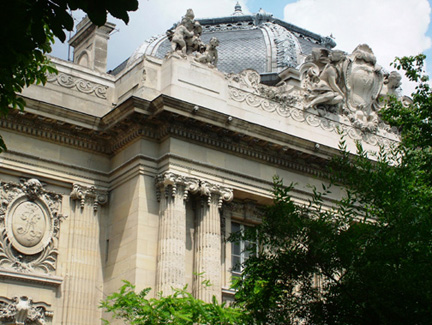
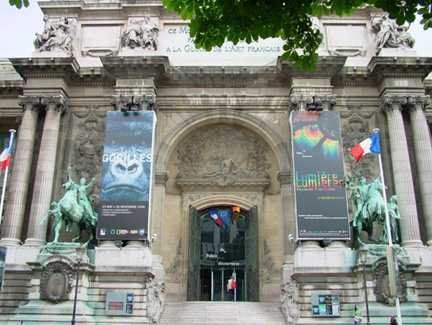
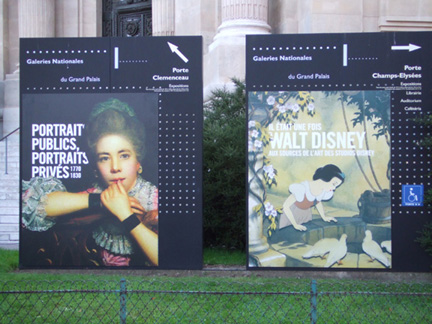
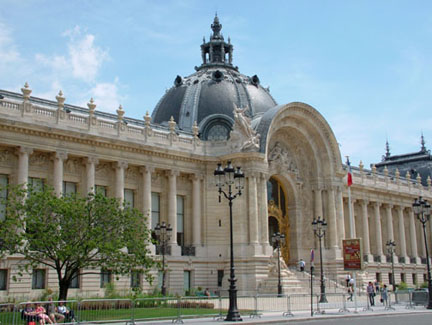
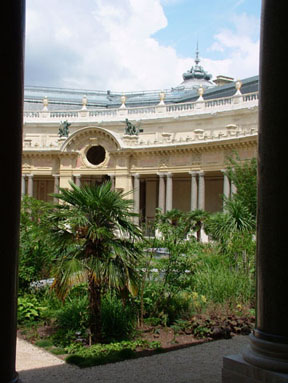
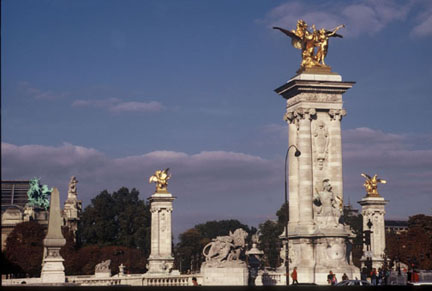
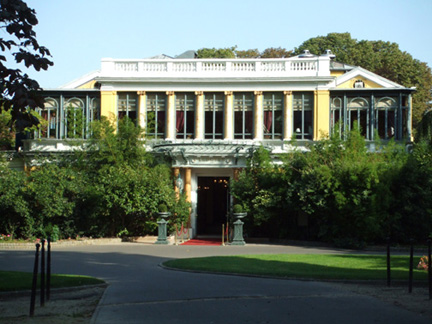
The luxurious and grand Champs-Élysées is the most beautiful international political and economic avenue in the world, and the widest and most luxurious commercial street in the capital city of Paris. Along the avenue (and in nearby small streets) are the world's most famous luxury shops, renowned restaurants, cafés, international five-star hotels, cinemas, theaters, dance halls, international fashion boutiques, precious jewelry stores, car showrooms, multinational corporations, consulates, upscale shops, and more. Additionally, the grand palaces host various art exhibitions every year. The magnificent Alexander III Bridge stands nearby, along with seasonal flower beds at the Rond Point, vibrant gardens, tall chestnut tree-lined paths, monuments to celebrities, and field restaurants. Of course, the Champs-Élysées hosts many parades and celebrations each year, such as the military parade on Bastille Day, the Paris Marathon, the Tour de France cycling race, New Year's Eve revelry, various domestic and international demonstrations, and flag-draped processions during political visits by heads of state and envoys. Thus, the Champs-Élysées has become a must-pass route for political visits. It can be called the political, economic, and cultural showcase of France, a place to flaunt fashion and indulge in material pleasures, and a shopping paradise.
Historical anecdotes of the Champs-Élysées:
Before the 17th century, the Champs-Élysées was originally a marshland. In 1616, Queen Marie de' Medici, following the Tuileries Royal Garden, developed a queen's tree-lined avenue along the winding Seine River, stretching from the Tuileries Garden to what is now the Alma Square. During the reign of Louis XIV, the famous French landscape architect Le Nôtre created a royal promenade called the "Boulevard," connecting the Tuileries Garden to the Rond Point of the Champs-Élysées. By 1709, the avenue was shaded by lush trees and was renamed "Champs-Élysées." In 1724, Duke d'Antin widened it and extended it to the current location of the Arc de Triomphe. From 1770 to 1774, Marchioness Marigny further extended it to the Pont de Neuilly, completing this endless, beautiful tree-lined avenue.
After the French Revolution, this grand avenue became public property, and after 1828, its ownership fell under the jurisdiction of the Paris municipal government. In the 19th century, when lights began to glow at dusk, over 1,200 gas lamps lit up both sides of the avenue, illuminating the night scenery of Paris like starlight.
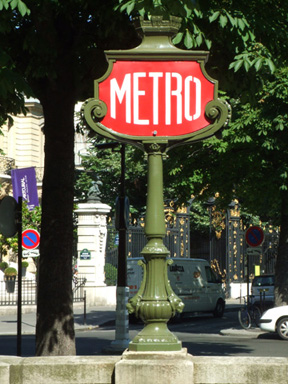
During the Second French Empire, industry and commerce began to flourish. On the thriving Champs-Élysées, new modern urban planning emerged, with the construction of roads and underground metro systems, and skyscrapers rose. Shops, restaurants, cafés, hotels, and theaters gradually formed a prosperous commercial district, evolving into its current appearance. It has become an irreplaceable, magnificent, and bustling avenue.