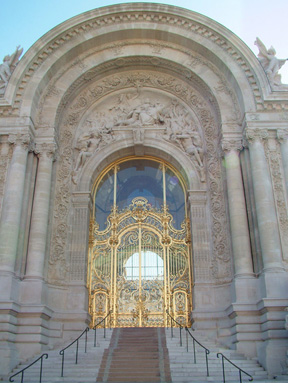
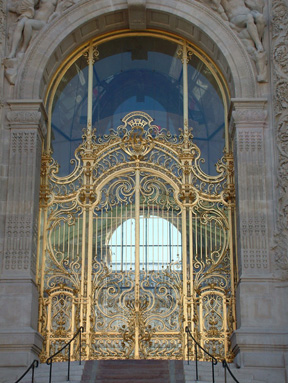
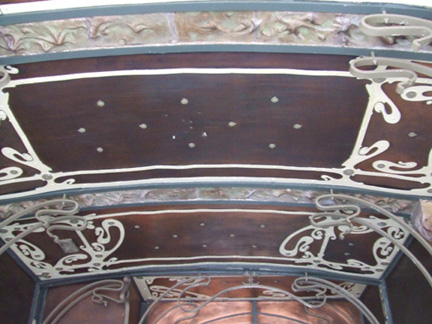
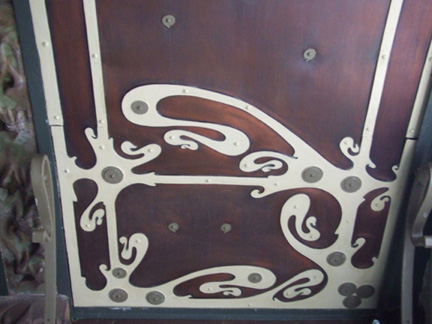
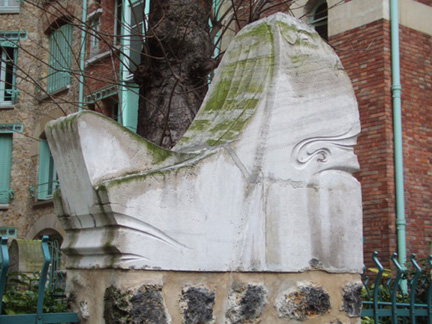
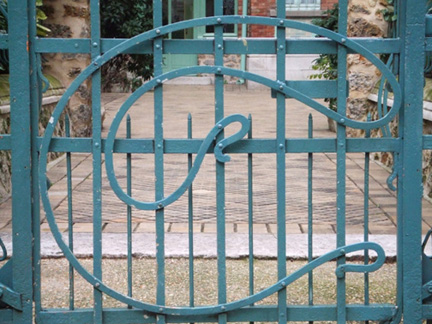
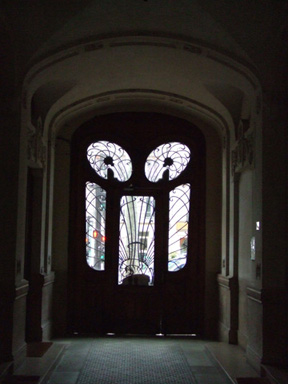
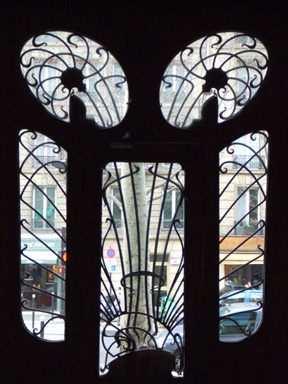
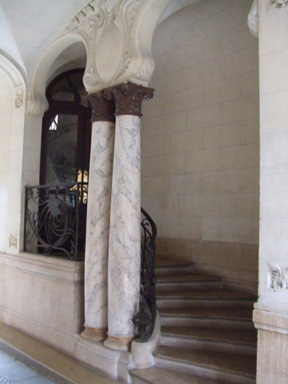
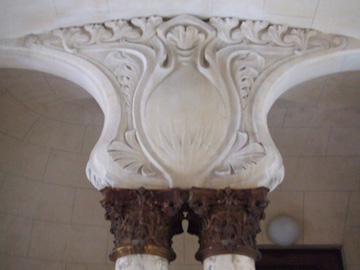
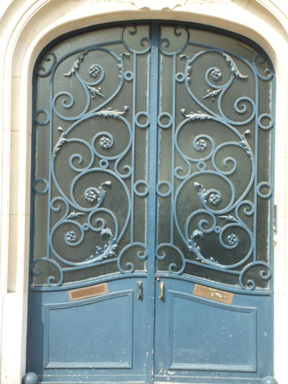
Art Nouveau was a product of the European middle class in the late 19th century. Emerging in Belgium in 1887, it quickly spread across Europe. In France, it was known as the Modern Style, combining social utility with decorative and practical functions; it flourished between 1890 and 1905. Numerous pieces of everyday furniture and interior decorations clearly demonstrate its influence. Characterized by strong decorative patterns derived from natural floral and vine motifs, the style rapidly expanded to various daily necessities, including furniture, clothing, posters, paintings, and architecture.
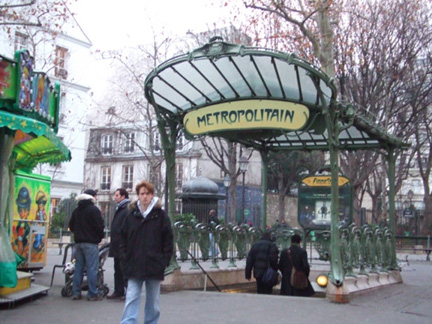
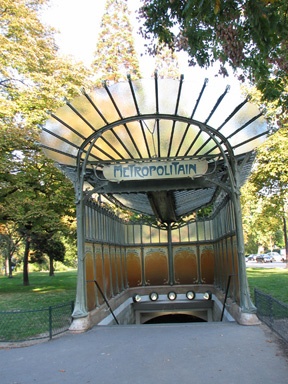
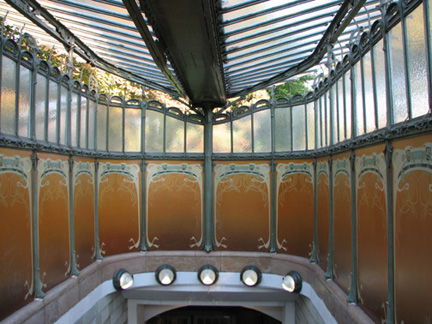
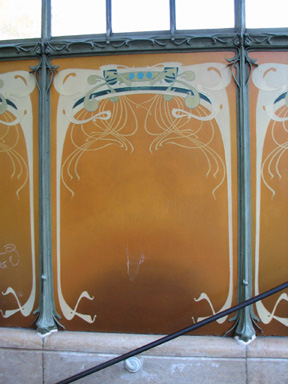
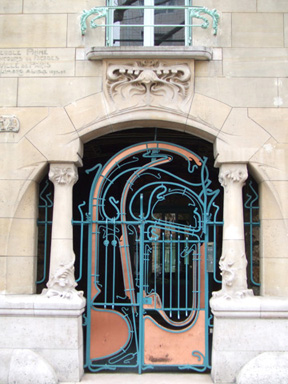
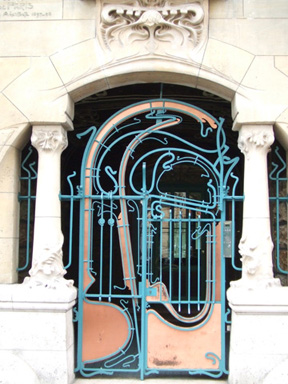
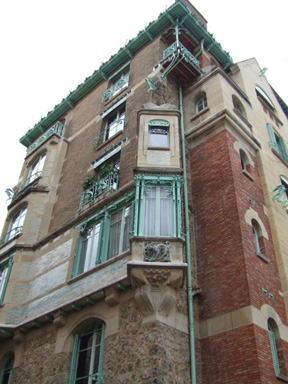
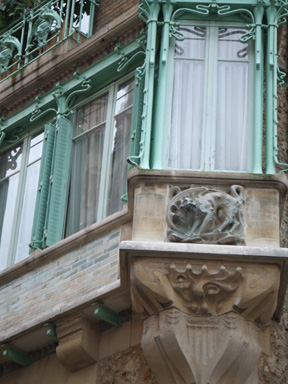
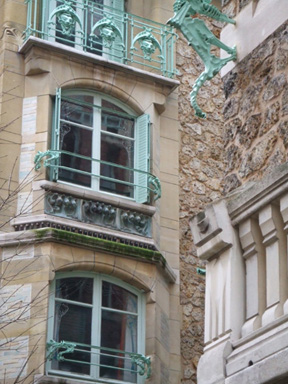
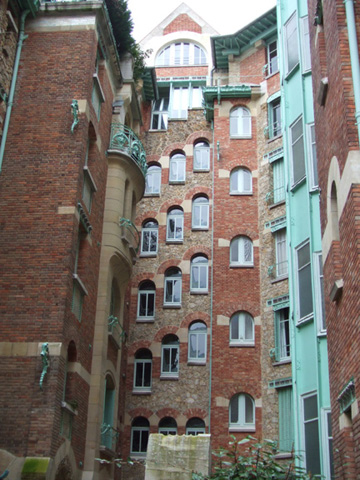
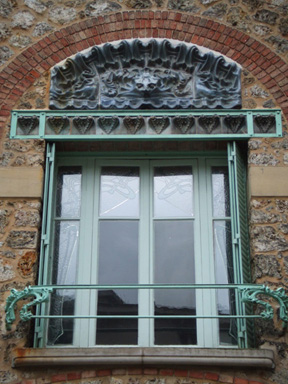
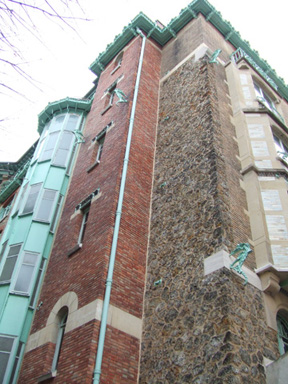
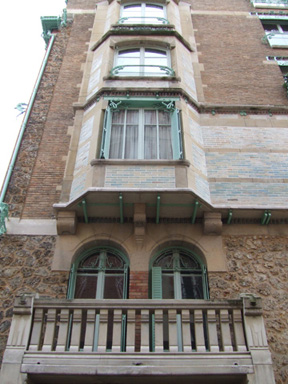
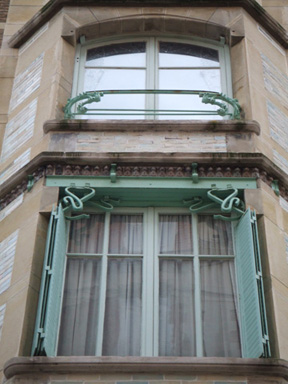
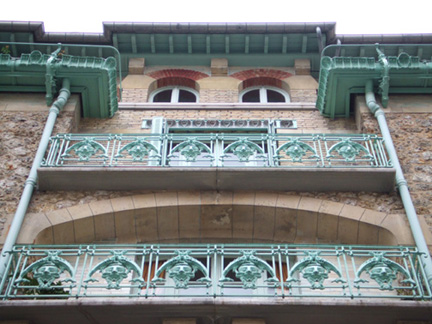
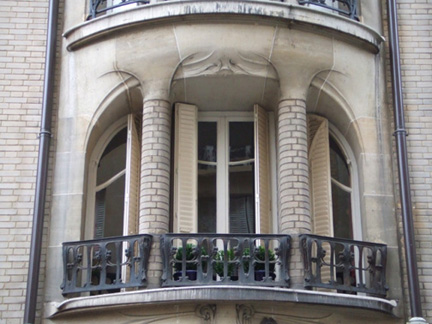
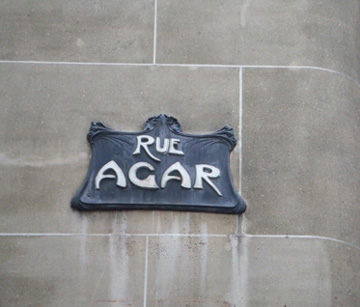
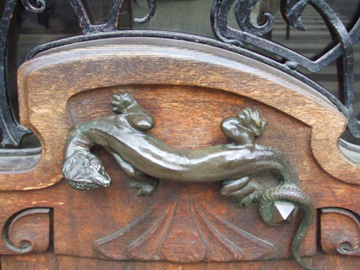
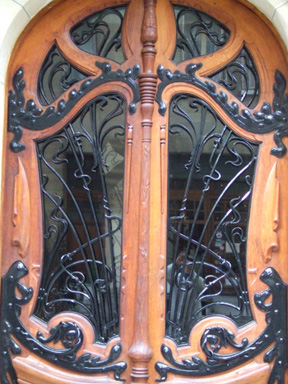
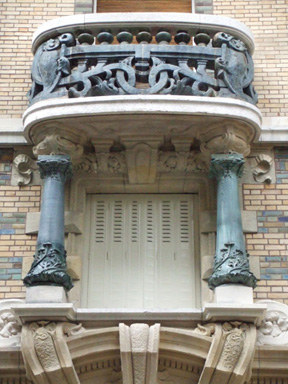
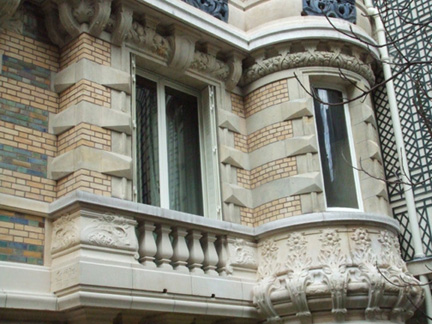
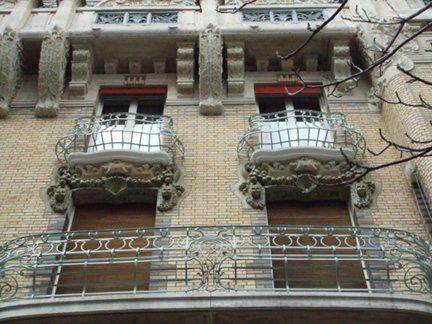
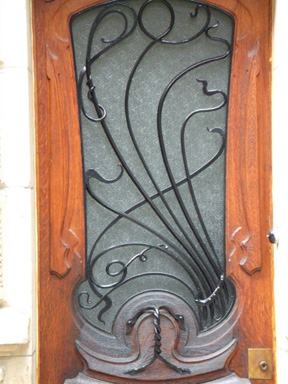
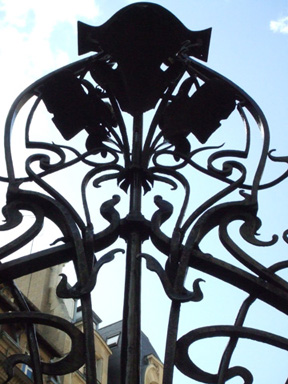
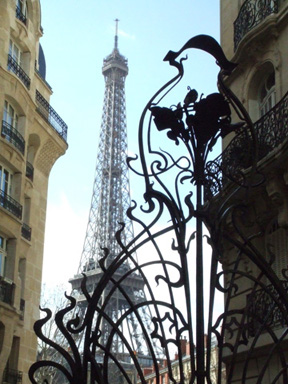
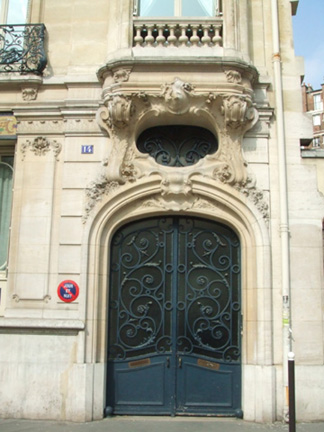
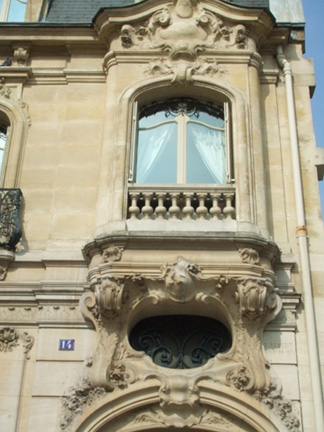
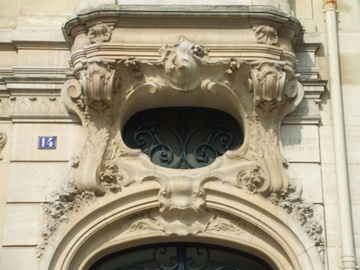
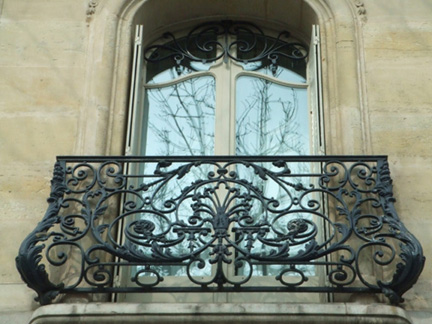
In Paris, Art Nouveau became the dominant trend of modern art at the turn of the 19th and 20th centuries, easily appreciated at the Musée d'Orsay. It also set the architectural standard for modern public infrastructure in Paris. The Abbesses and Dauphine metro stations are representative examples, along with the charming decorative patterns found on station entrances, signage, and railings. These works are masterpieces by Hector Guimard (1867–1942), a leading French Art Nouveau architect. Guimard studied at the École des Arts Décoratifs under C. Genuys starting in 1882, then entered the École des Beaux-Arts three years later. In 1889, he participated in the construction of the "Palais de l'Électricité" for the World's Fair. Between 1894 and 1895, his travels through England, the Netherlands, and Belgium solidified his understanding of the style. In 1897, at age 27, he won first prize in a municipal building competition, designing Paris's first Art Nouveau building, the Castel Béranger. Located at 14 Rue de la Fontaine in the 16th arrondissement (behind the Radio France headquarters), the building is constructed from ordinary materials such as cement, stone, terracotta tiles, red brick, iron railings, balconies, stained glass, and mosaics. The entrance features an elegant door frame adorned with golden-blue vine patterns between two slender columns, decorated with black-and-white botanical motifs. The entire structure contrasts materials, with windows and doors framed in flowing iron railings, adorned with animal reliefs or colored porcelain, and balconies featuring floral ironwork, all creating a rich visual aesthetic. Other works by Guimard in the vicinity include apartments on Rue Agar and the Mezzara Hotel at number 60 on the same street.
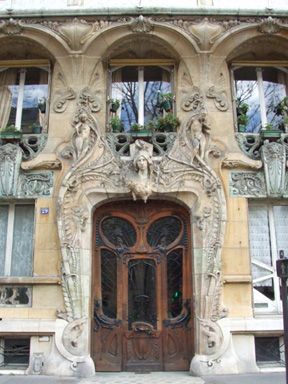
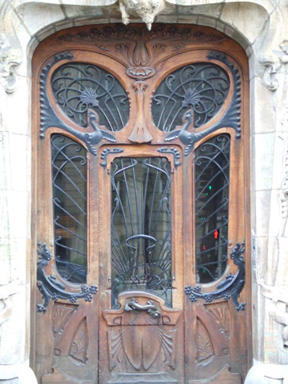
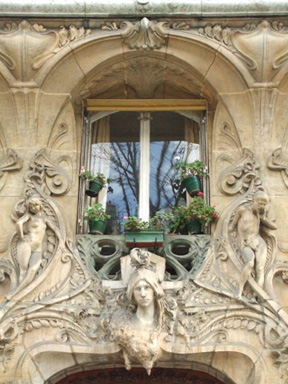
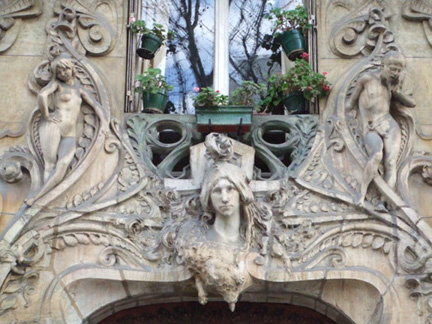
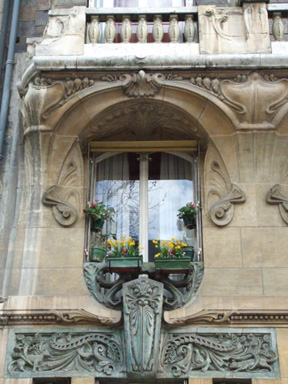
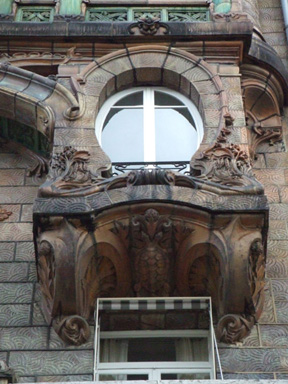
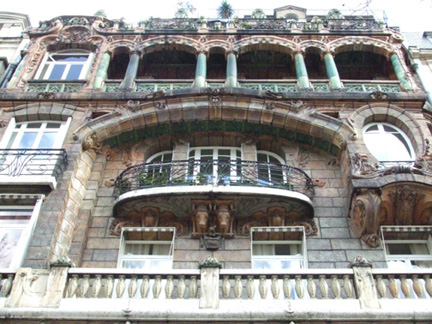
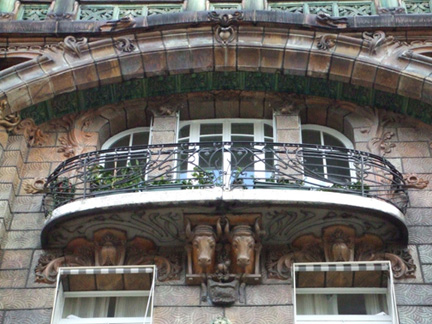
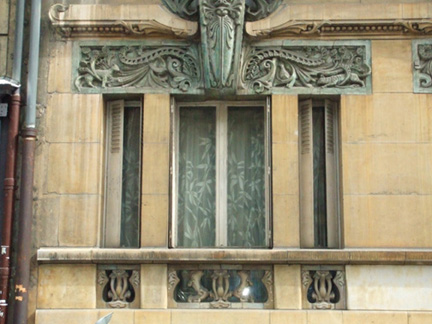
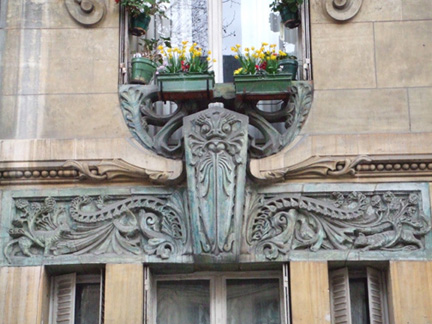
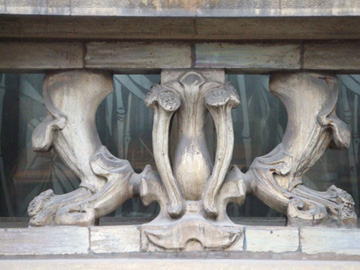
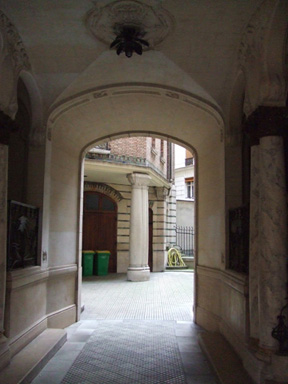
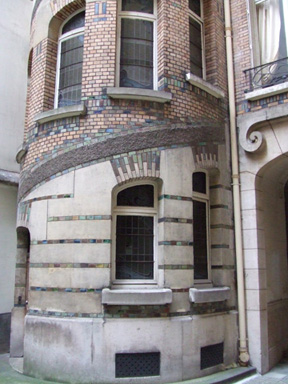
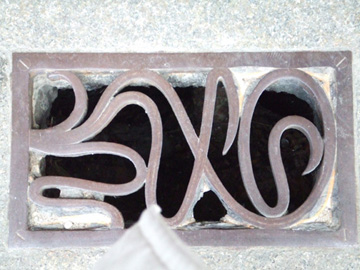
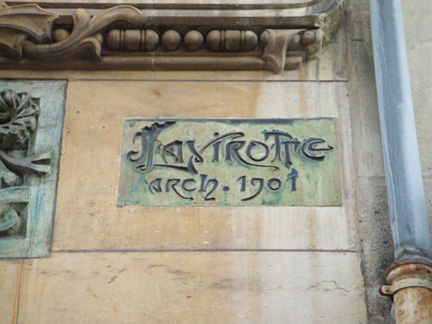
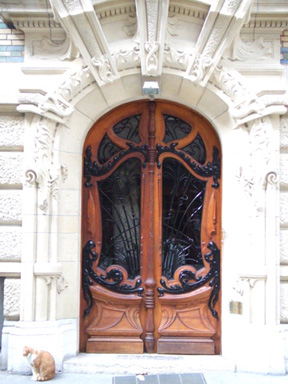
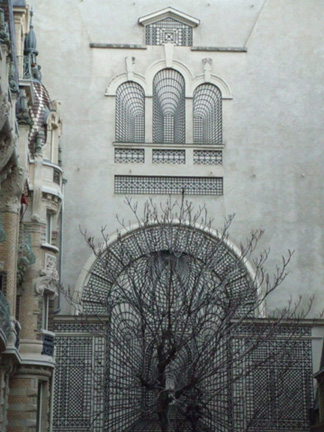
Another prominent Art Nouveau architect in Paris was Jules Lavirotte. His most representative work is located at 29 Avenue Rapp in the 7th arrondissement. Built in 1901 for ceramicist Alexandre Bigot, this striking building is lavishly decorated with abundant figures, animals, and plant motifs, showcasing imagination and talent through contrasting materials. A grand double dragon motif and winding lines form an extraordinary door frame surrounded by exquisite floral vines. The building features rhythmic protruding and recessing floors, a series of finely carved windows, and a distinctive concave-convex balcony supported by two bull heads. The upper floors are framed within arches of strict black marble columns, creating dramatic rhythm and visual contrast through texture and color. The rear of the building continues this theme with charming recessed windows, material contrasts, wooden back doors with winding lines, and whimsically carved columns and balconies, fully demonstrating Lavirotte's creativity. This building is one of Paris's finest Art Nouveau examples, rivaling Guimard's Castel Béranger, and won the Grand Prix for facade design in 1903. Another masterpiece by Lavirotte is the Ceramic Hotel at 34 Avenue Wagram near the Arc de Triomphe. Address: 29 Avenue Rapp, 75007 Paris.