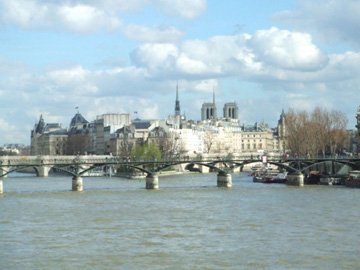
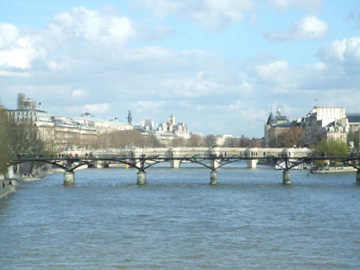
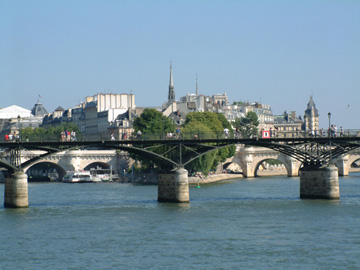
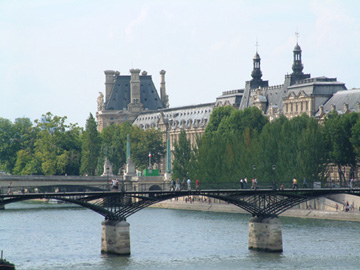
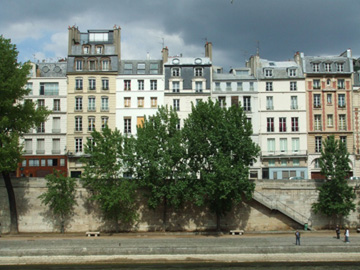
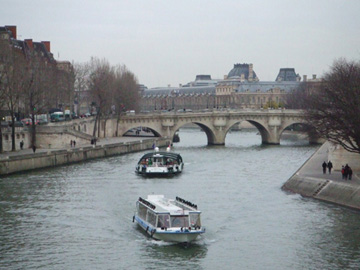
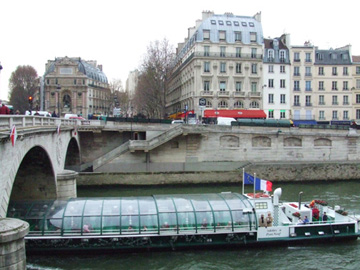
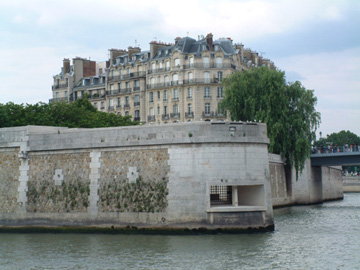
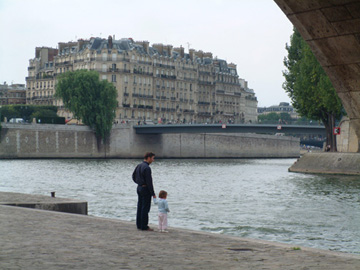
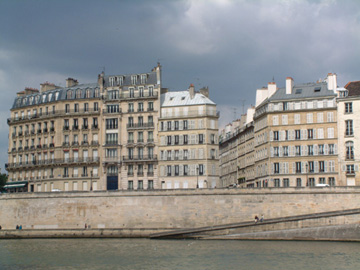
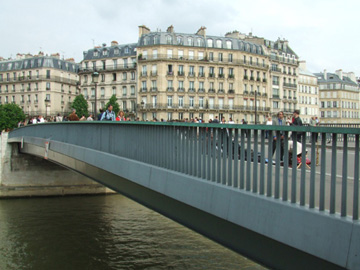
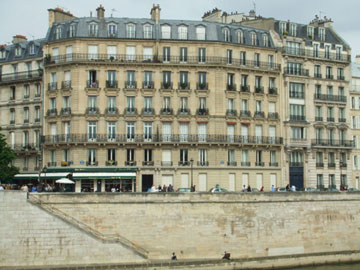
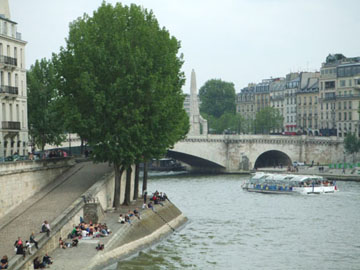
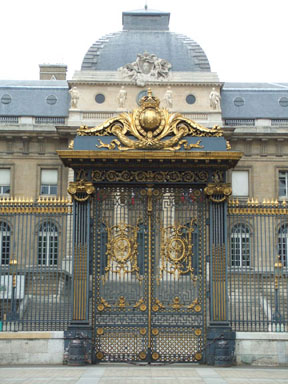
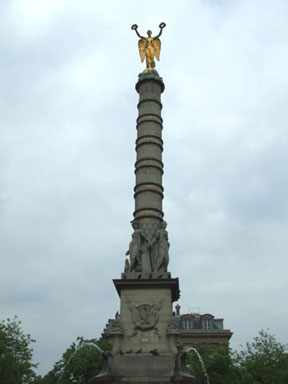
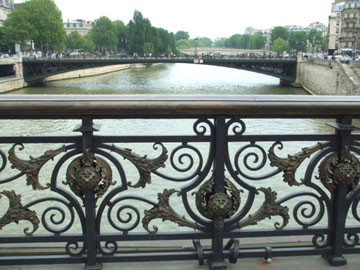
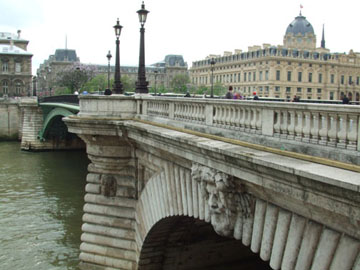
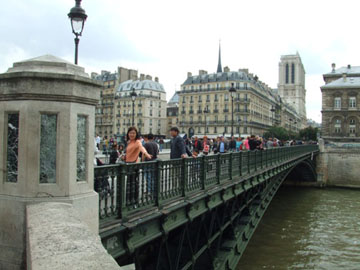
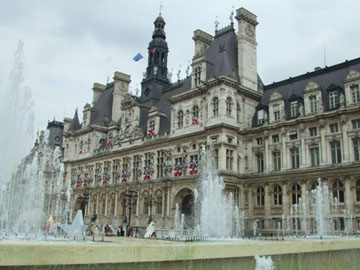
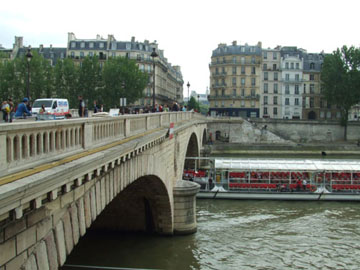
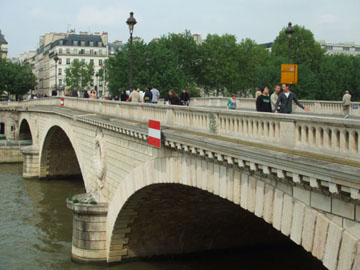
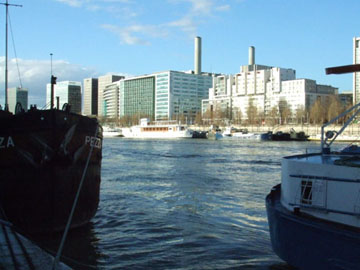
The scenery along the banks of the Seine in Paris is exceptionally poetic, imbued with humanistic beauty bestowed by the winding river. The development and function of the entire Paris metropolitan area are closely tied to this river, which is also its origin. A careful observation reveals that major buildings are distributed along both banks (such as the Louvre, Notre-Dame, Les Invalides, the Parliament, the Palais de Chaillot, the Eiffel Tower, etc.), dividing the city into the Right Bank and Left Bank. At Île de la Cité and Île Saint-Louis, the river splits into two branches, forming a unique urban character difficult to rival among other European cities.
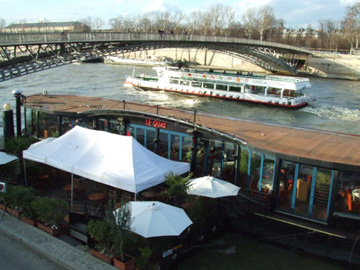
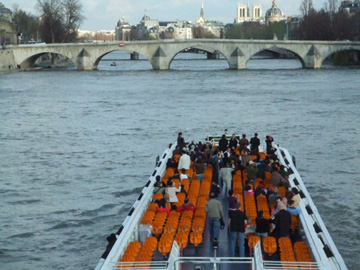
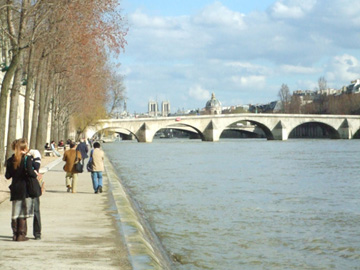
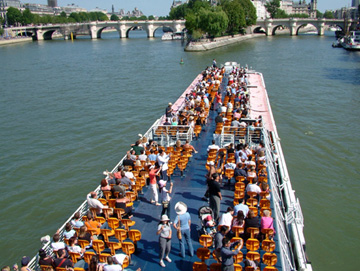
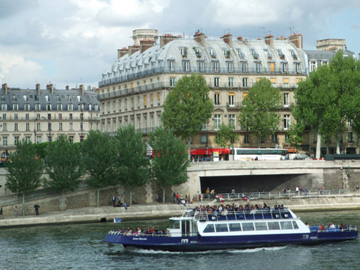
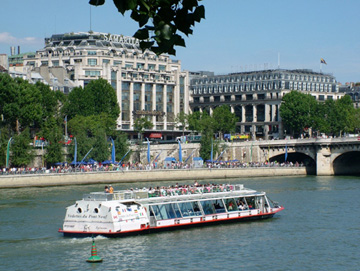
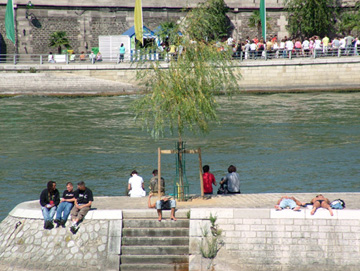
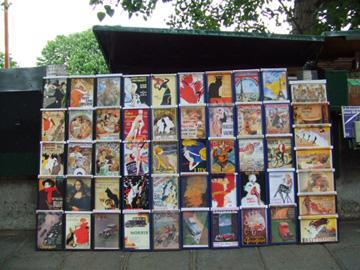
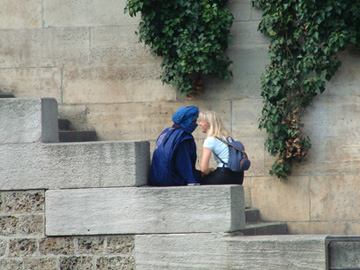
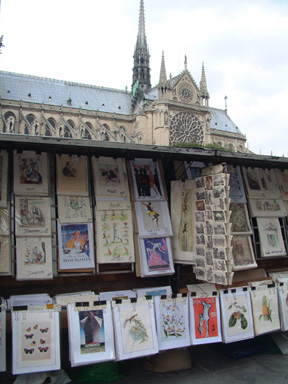
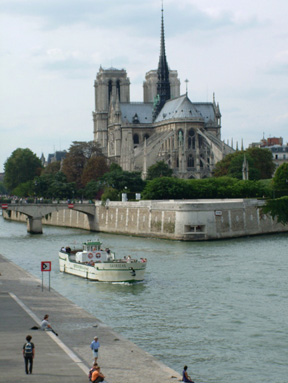
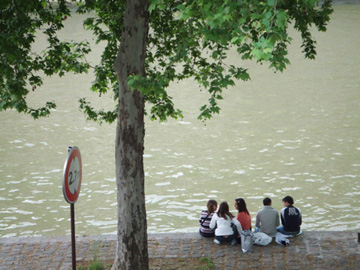
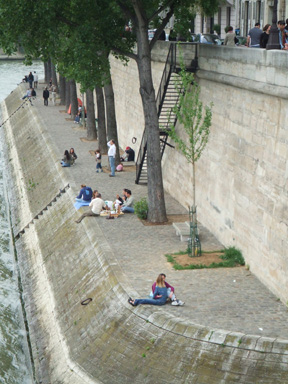
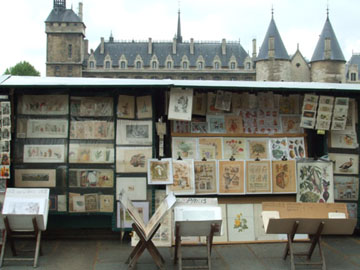
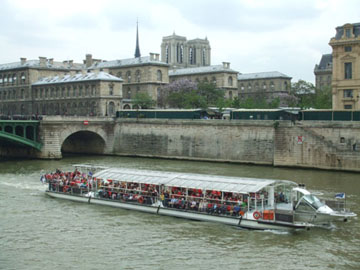
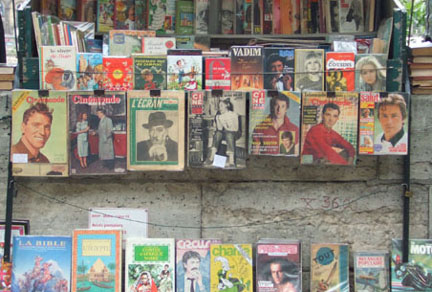
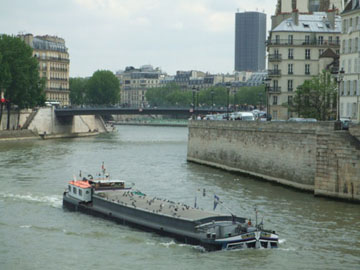
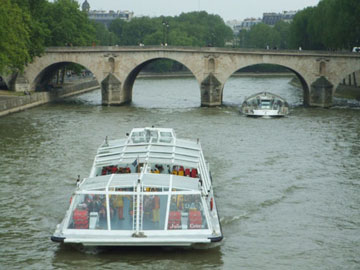
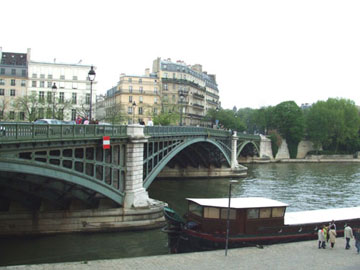
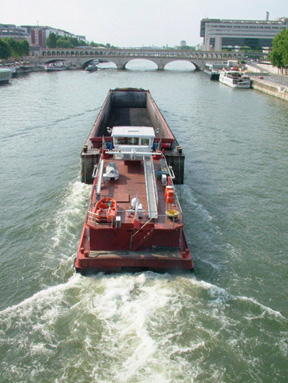
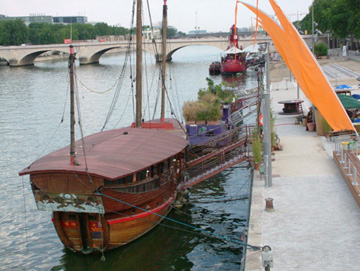
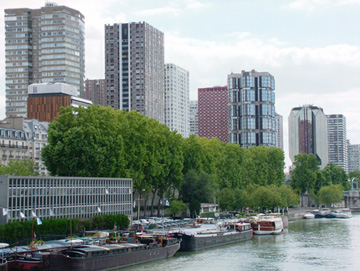
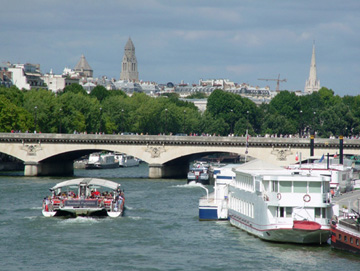
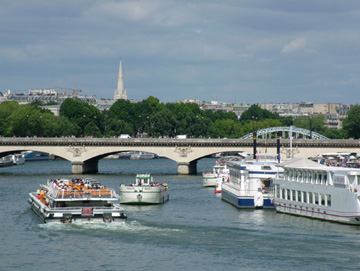
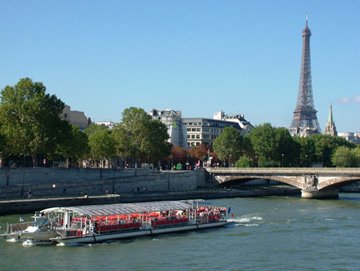
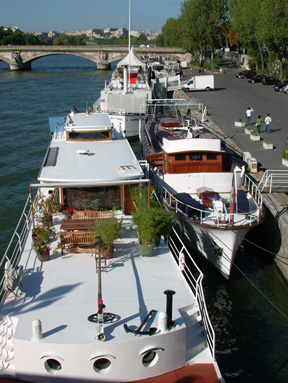
The banks of the Seine are excellent places to watch passing yachts, batobus boats, and cargo barges. Along the banks from Passerelle Solferino to Pont Marie, old bookstalls line both sides. The river also features distinctive houseboats, boat restaurants, and cafés. The Seine is integral to Parisians' lives, serving as a space for contemplation, walking, and exercise, as well as a place where poets seek inspiration, painters find subjects, and couples stroll hand in hand.
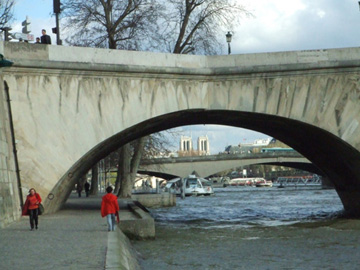
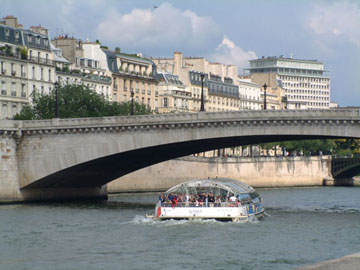
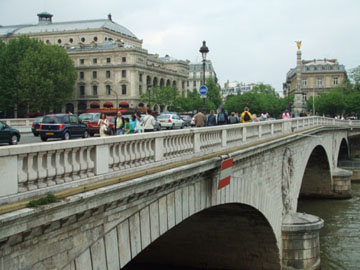
Numerous bridges span the Seine. There are 37 distinct bridges in Paris, each bearing the marks of history from Henry III and Louis XIV through the Napoleonic Empire and Haussmann’s modernization to the present. Every bridge possesses strong historical emotion and unique shapes and environmental landscapes:
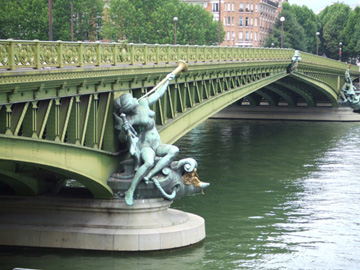
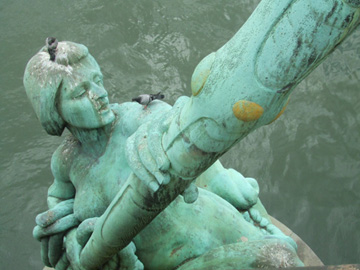
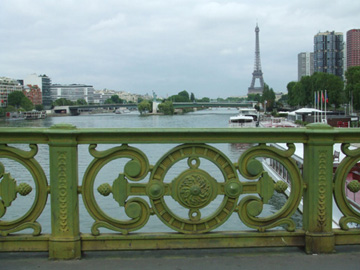
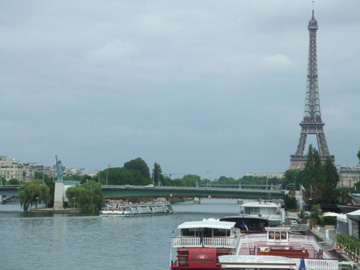
We begin on the western bank: The first bridge is Pont Garigliano, part of the Périphérique inner ring road. Next is the poetic Pont Mirabeau, featuring four magnificent statues of female musicians symmetrically placed on its iron piers. From here, one can view the distant Pont d'Iéna, the Statue of Liberty, and the panoramic view of the Eiffel Tower. Between these two bridges lies the postmodern park Parc des Expositions (Champerret) and some distinctive houseboats.
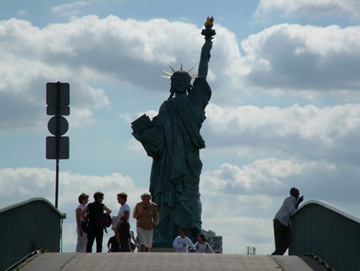
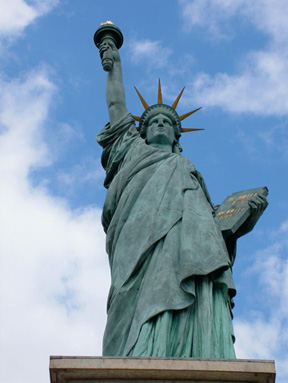
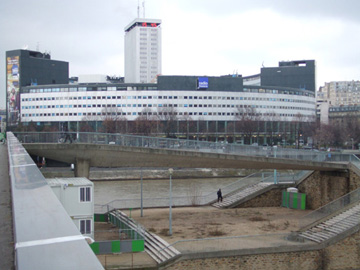
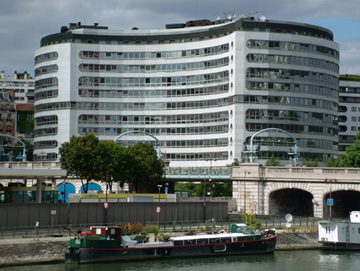
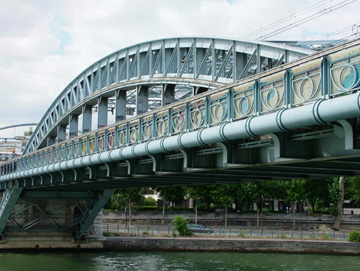
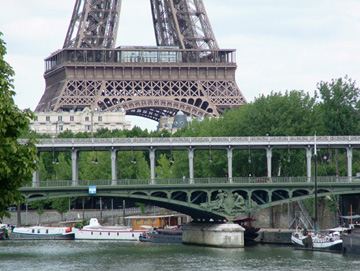
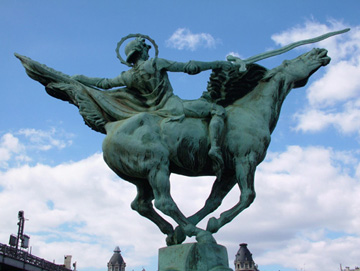
Under Pont de Grenelle stands a Statue of Liberty, gifted to Paris by sculptor Bartholdi in 1885. To its left is a circular building housing the French National Radio. Next is Pont de Bir Hakeim, Paris’s most unique double-decker bridge, with an open-air metro track above and a monument shaped like an inverted pyramid titled "Reviving France" standing between the spans. In the center between these two bridges lies the Allee des Cygnes, a scenic promenade. On the right are series of houseboats, while high-rise buildings on the shore mark the Grenelle commercial district, one of Paris’s most modern areas.
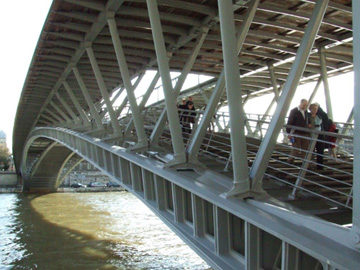
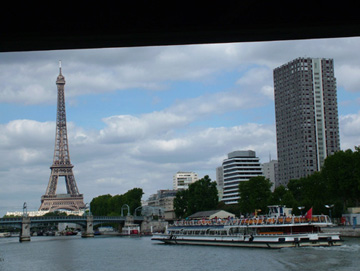
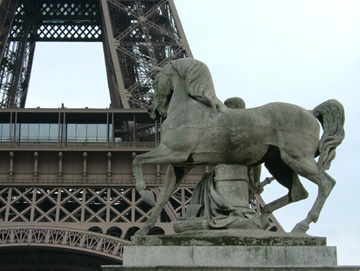
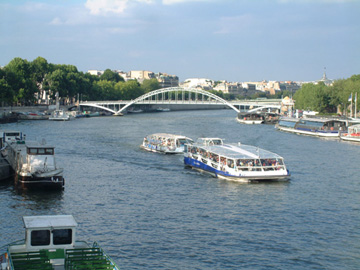
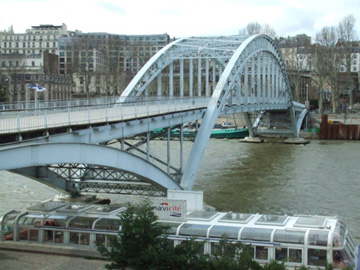
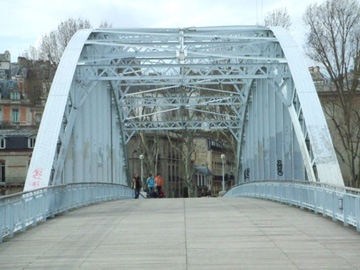
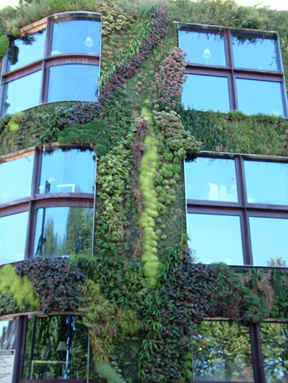
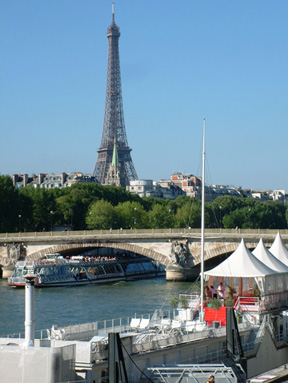
Pont d'Iéna faces the Eiffel Tower and connects to the Palais de Chaillot; it is one of the busiest bridges. Two majestic equestrian statues stand at either end. Fireworks are launched annually on Bastille Day from this bridge. Tourist boats pass frequently here, with batobus stops and boat restaurants below. Next is the Passerelle Debilly, an iron footbridge. To the left lie the Palais de Tokyo, a sanctuary for contemporary art, and the Musée d'Art Moderne de la Ville de Paris.
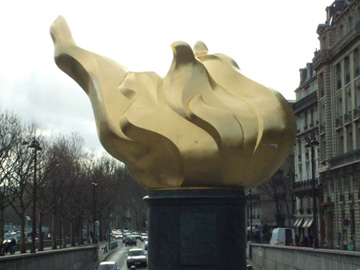
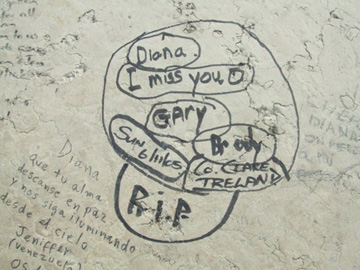
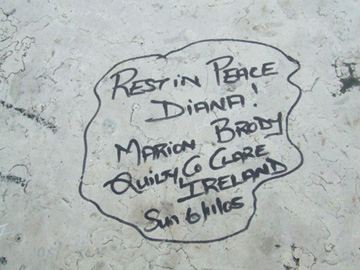
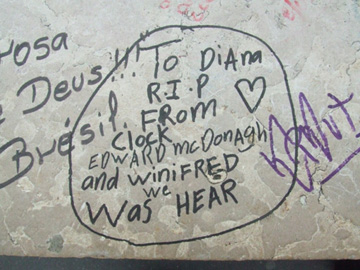
Pont de l'Alma is used by Parisians to measure the water level of the Seine, marked by the Zouave statue on its central pier. To the left stands a torch-bearing statue marking the site where Princess Diana tragically died in a car accident under the bridge; tourists have written messages on the piers. Between these two bridges are batobus stops and boat restaurants. Next is the grand Pont des Invalides. On the Left Bank side stands a memorial to the Armenian Genocide.
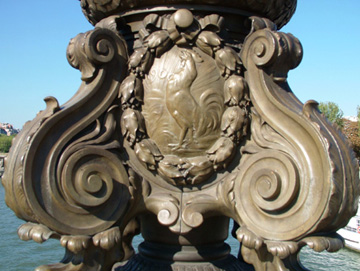
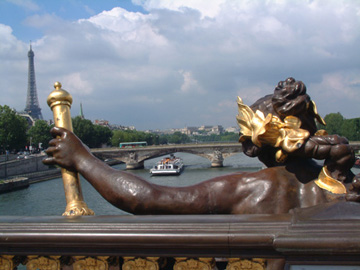
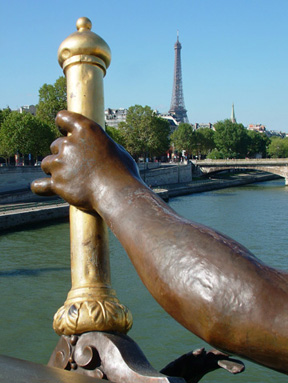
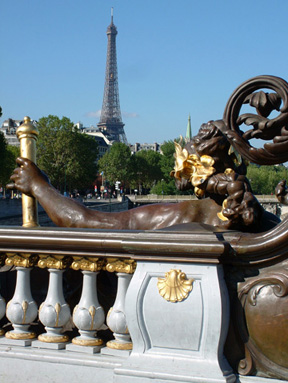
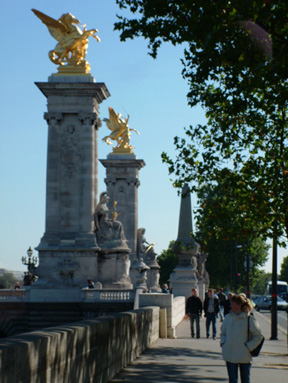
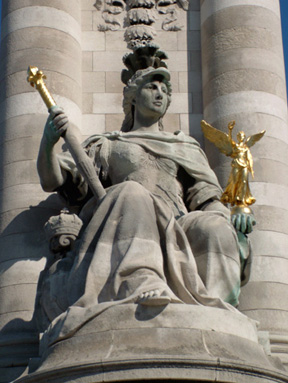
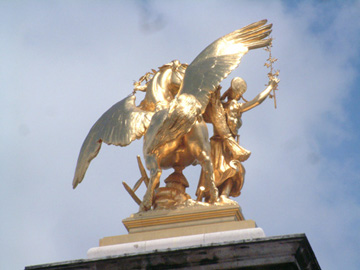
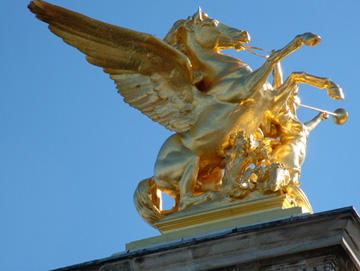
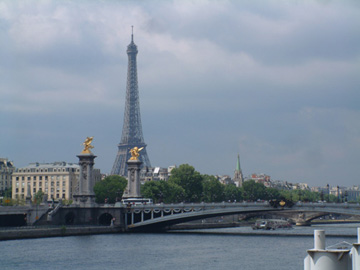
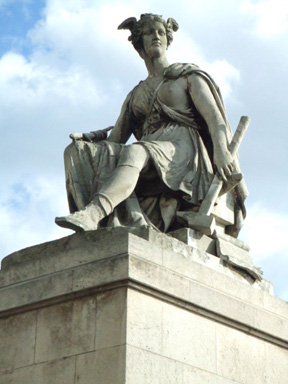
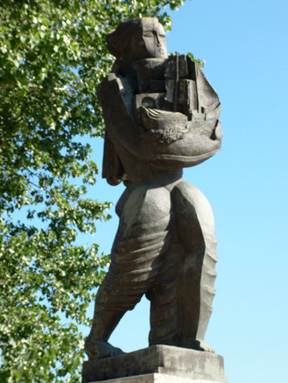
The Pont Alexandre III (107 meters long, 40 meters wide) is the most splendid bridge in Paris, built between 1896 and 1900 to celebrate Franco-Russian friendship, named after Tsar Alexander III. It connects the Petit and Grand Palais and Les Invalides. The bridge features intricately carved allegorical statues and lighting fixtures. At the entrances, golden winged horse statues stand on square pillars: those on the Right Bank symbolize Ancient and Modern France, while those on the Left Bank represent the reigns of Francis I and Louis XIV. The entrance pillars feature statues of noble women symbolizing the Seine in Paris and the Neva River in Moscow.
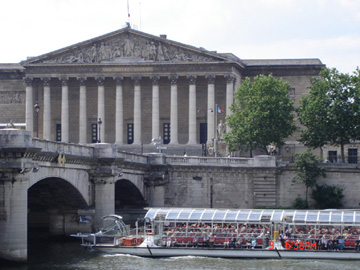
The Pont de la Concorde connects Place de la Concorde and the Parliament. Its broad views offer vistas of the Eiffel Tower and the Pont Alexandre III. The Passerelle Solferino is a double-layered iron bridge linking the Musée d'Orsay and the Tuileries Garden. Below, it serves as a place for Parisians to walk, contemplate, or date.
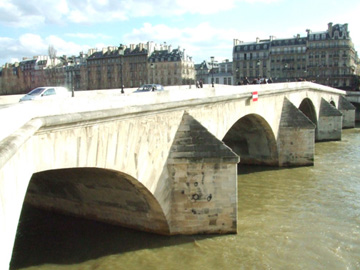
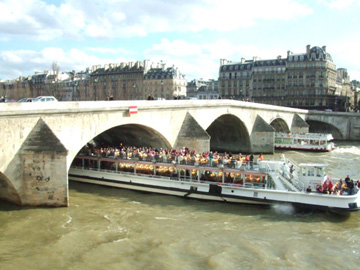
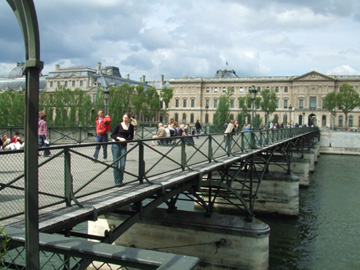
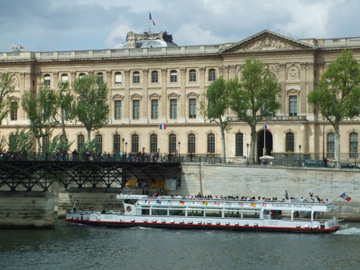
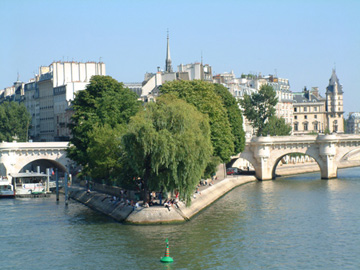
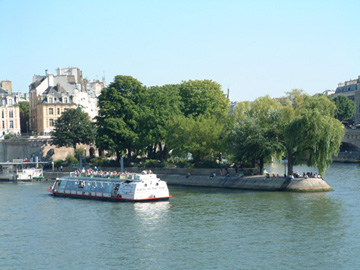
The Pont Royal has the Tuileries Garden and the Louvre on the Left Bank and approaches the Musée d'Orsay on the Right Bank; it was built by Louis XIV. Next is the Pont du Carrousel, connecting the Louvre and the École des Beaux-Arts. The Passerelle des Arts links the Louvre and the Institut de France; built in 1802, it is Paris’s first pedestrian iron bridge. It offers excellent views of the Seine, especially the greenery of Île de la Cité and the full panorama of the Pont Neuf.
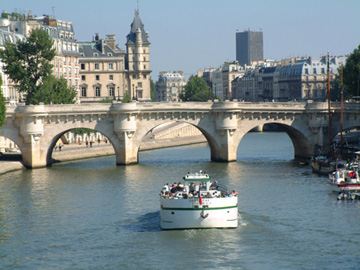
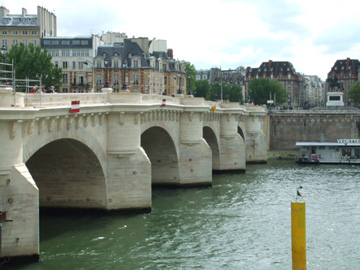
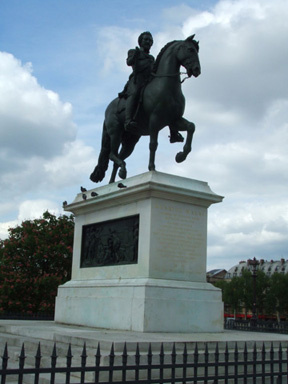
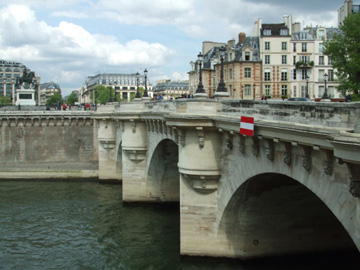
The Pont Neuf is Paris’s oldest bridge, built by Henry IV. It is 275 meters long, spanning from the equestrian statue of Henry IV on Île de la Cité to the Monnaie de Paris on the Left Bank. It is one of only two bridges in Paris without buildings constructed on it.
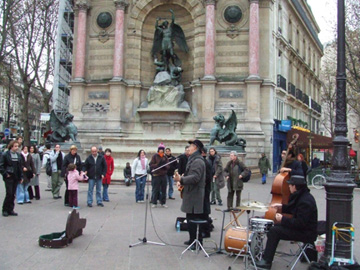
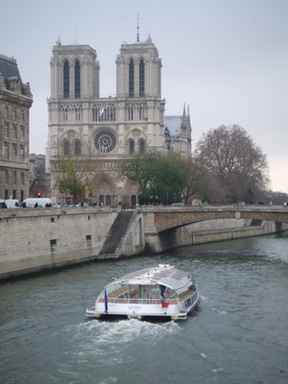
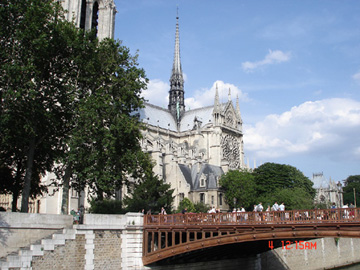
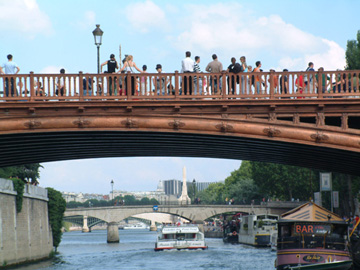
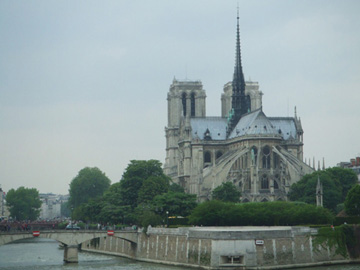
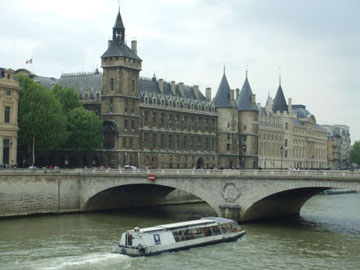
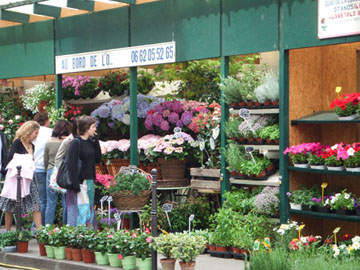
Spanning Île de la Cité, where the Seine splits into two branches, there are two bridges: On the Left Bank is the Pont Saint-Michel, connecting to the Conciergerie on the island. On the Right Bank is the Pont au Change, connecting to Place du Châtelet and the Conciergerie. Next on the Left Bank is the Petit Pont, the shortest bridge on the Seine, near the Prefecture of Police on the island. On the Right Bank is the Pont Notre-Dame, connecting to the flower market and the police headquarters on the island. The Pont au Double is located beside Notre-Dame Cathedral. On the Left Bank is the Pont d'Arcole, connecting to the Hôtel de Ville and Notre-Dame.
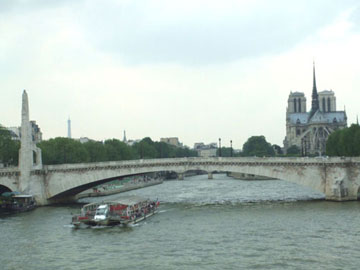
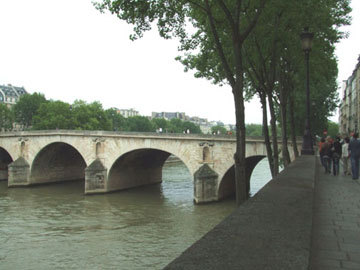
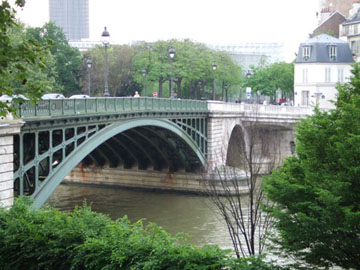
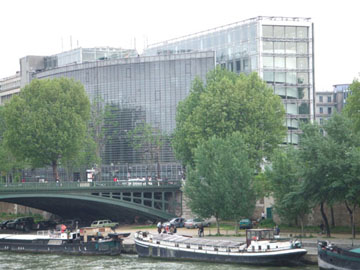
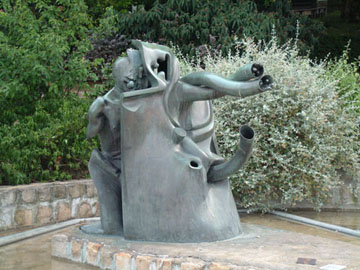
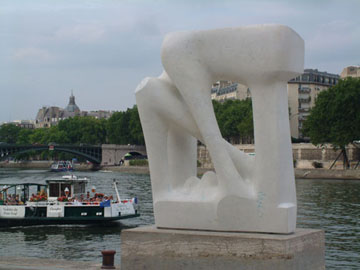
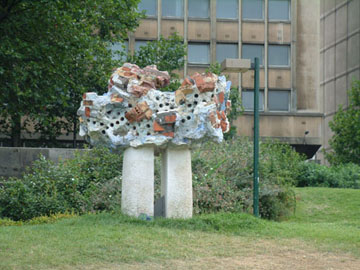
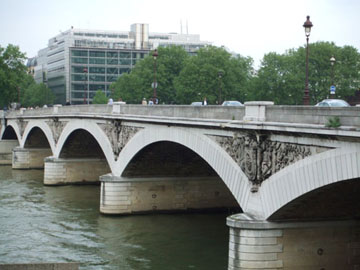
Two small islands lie on the Seine: Pont de l'Archevêché and Pont Saint-Louis are at the tip of Île de la Cité. The Pont Saint-Louis connects Île de la Cité and Île Saint-Louis. The Pont Louis-Philippe is a shortcut to the Right Bank. On the Left Bank, the Pont de La Tournelle features a white marble statue of Sainte-Geneviève, protector of Paris, guarding the metropolis. On the Right Bank, the Pont Marie leads to the artistic quarter of Paris. Next is the Pont de Sully, crossing the tip of Île Saint-Louis. On the Left Bank stands a modern building housing the Institut du Monde Arabe. Next is the Pont d'Austerlitz; the Jardin des Plantes is on the Left Bank, and the outdoor sculpture garden lies between the Pont de Sully and the Pont d'Austerlitz.
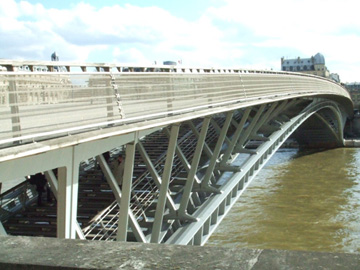
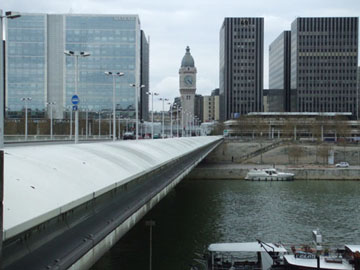
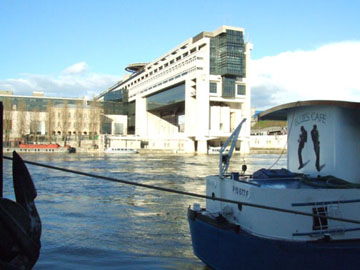
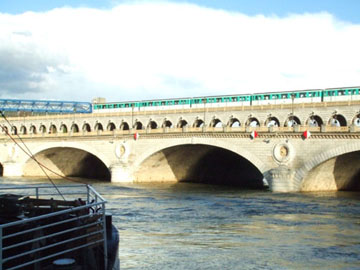
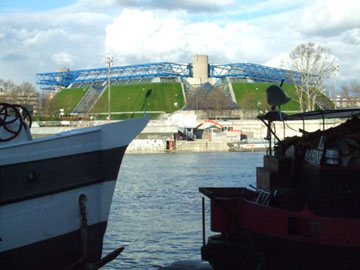
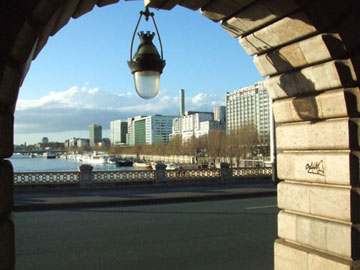
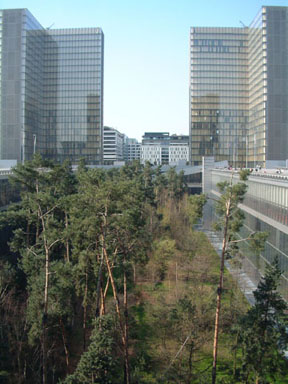
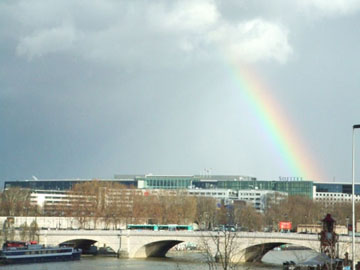
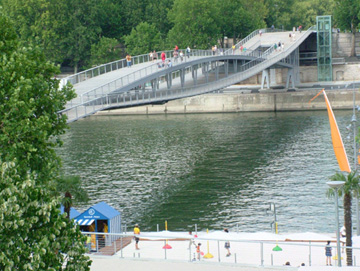
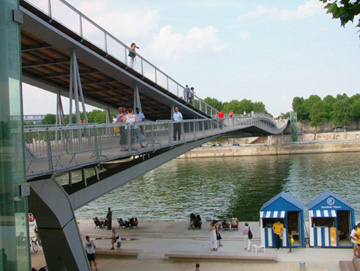
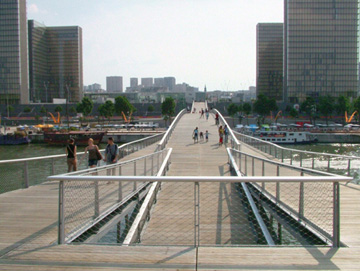
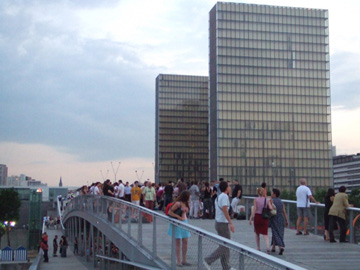
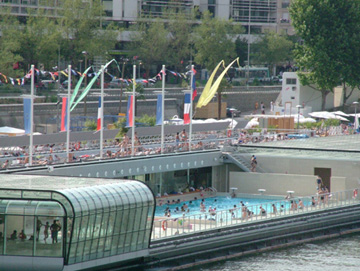
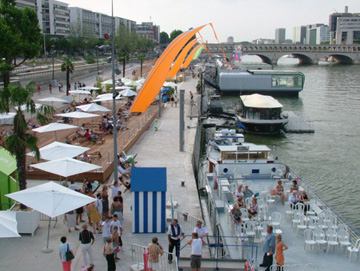
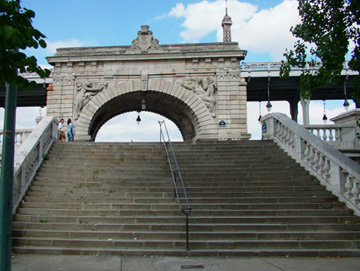
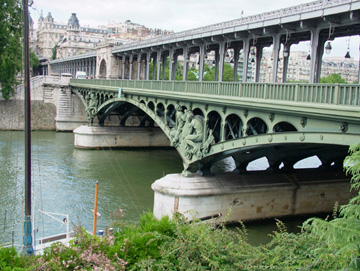
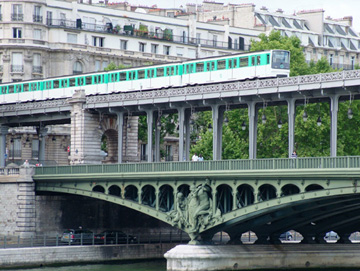
The Pont Charles-de-Gaulle connects Gare d'Austerlitz and Gare de Lyon; it is the newest bridge in Paris. The Pont de Bercy is a rare bridge-within-a-bridge structure, with an open-air metro track above. On the Right Bank lies a famous indoor sports arena and another modern building, the Ministry of Finance. These four distinctive buildings house the Bibliothèque nationale de France. Here stands the Passerelle Simone de Beauvoir, completed on July 13, 2006, linking the National Library, Bercy Park, and the Cinémathèque Française. Below floats a swimming pool and a café boat. Next is the Pont de Tolbiac; on the Right Bank is Bercy Park, with jazz cafés and restaurant boats along the riverbank. This area is a new leisure zone on the Left Bank. The Pont National is an important bridge on the eastern inner ring road. Between the Pont de Tolbiac and the Pont National, the Left Bank hosts a future emerging university town.
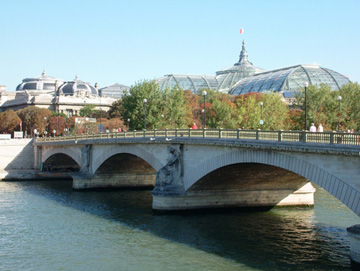
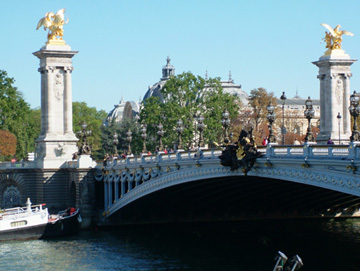
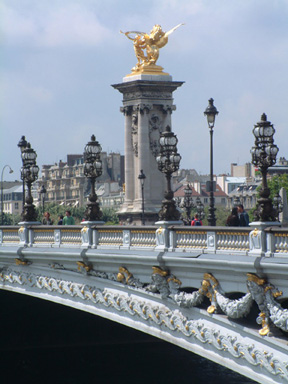
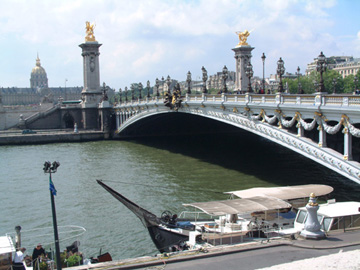
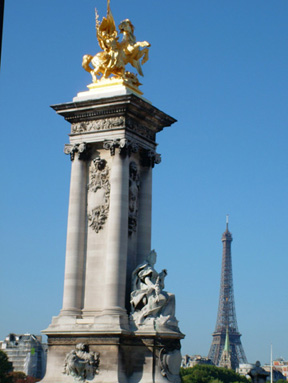
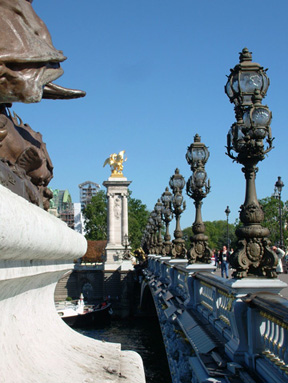
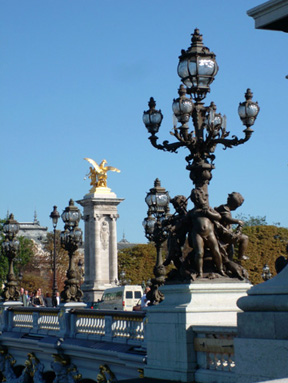
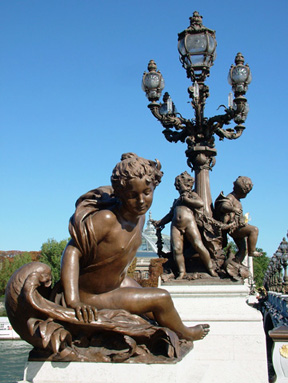
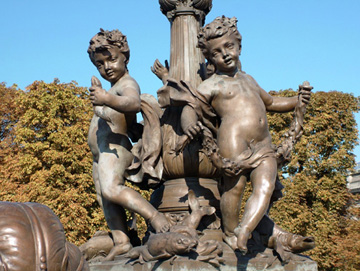
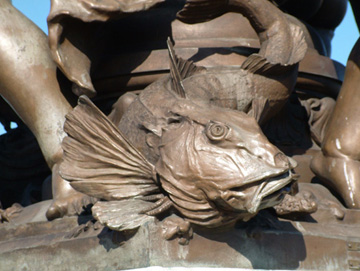
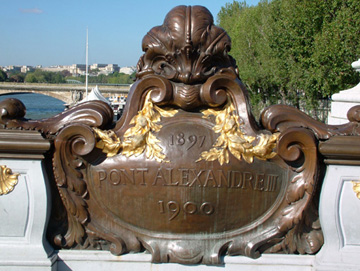
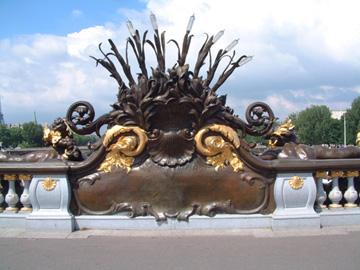
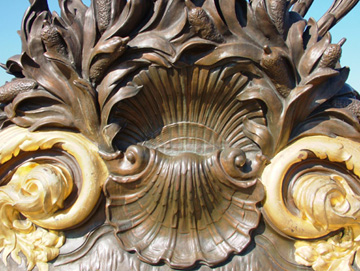
A splendid monument decoration adorns the center of the Pont Alexandre III, flanked by two symmetrical large statues holding scepters and wearing laurel wreaths. It is the most spectacular and luxurious decoration on any Paris bridge. The captivating monument decoration centers on shells, adorned with golden floral motifs on either side, topped with natural floral vines, exhibiting a highly ornate Baroque style.