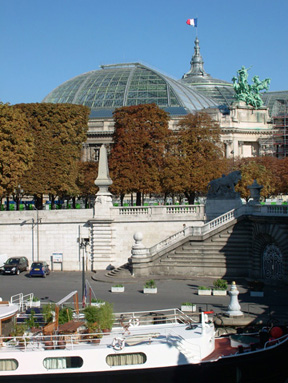
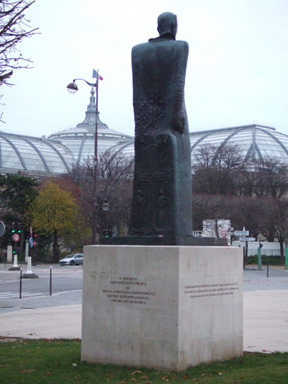
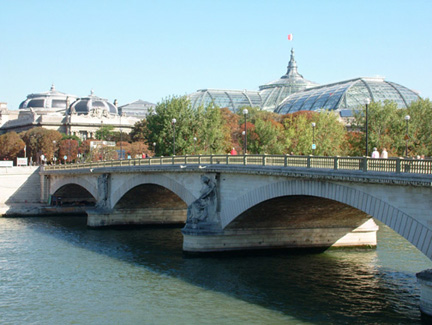
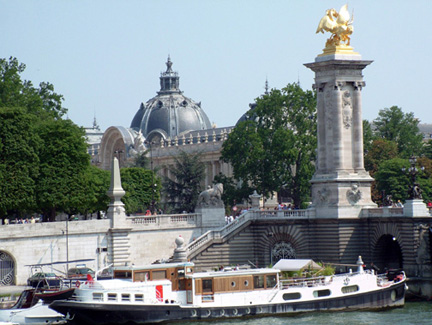
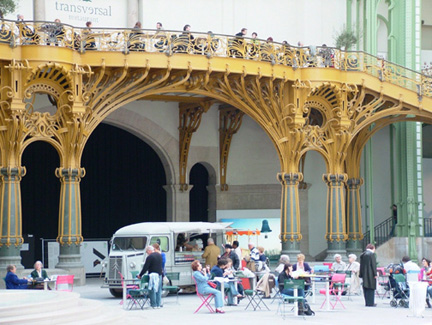
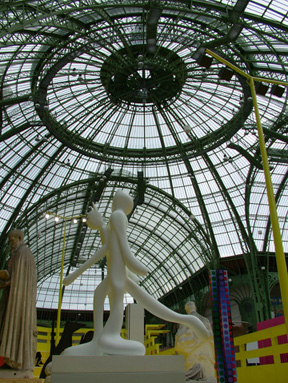
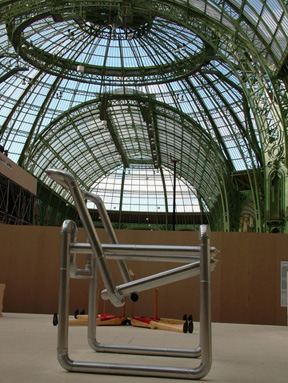
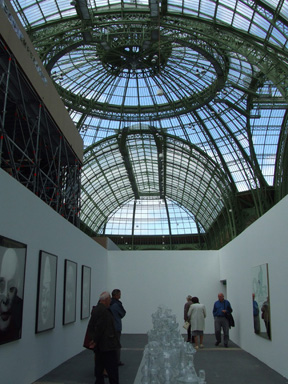
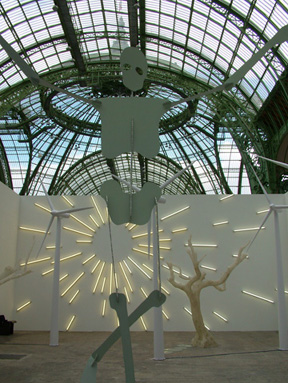
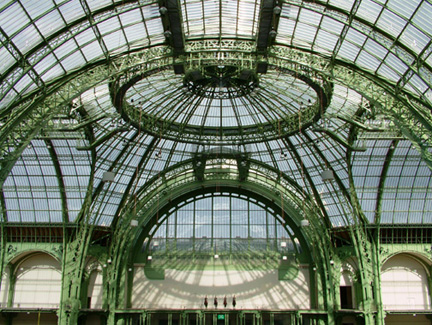
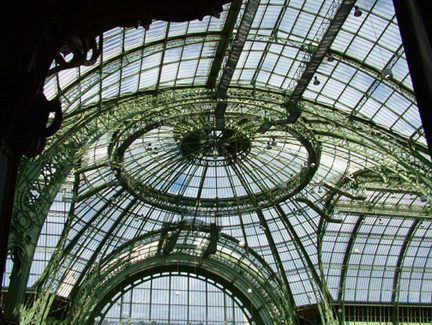
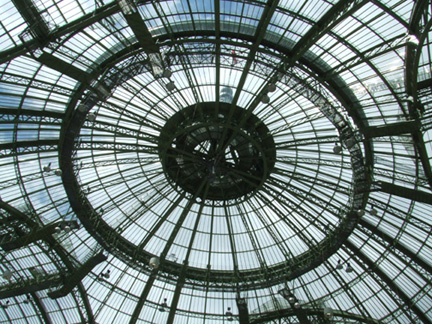
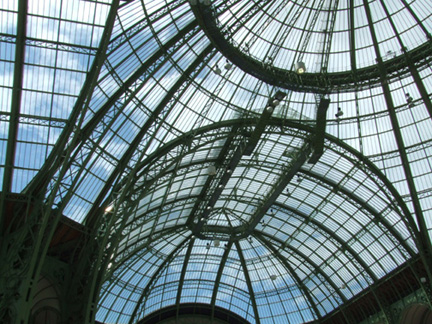
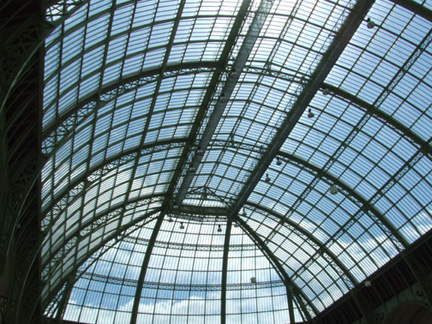
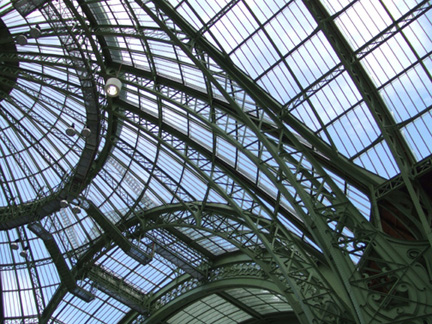
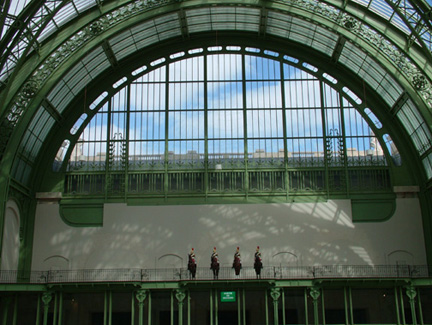
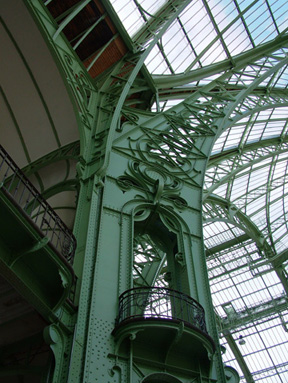
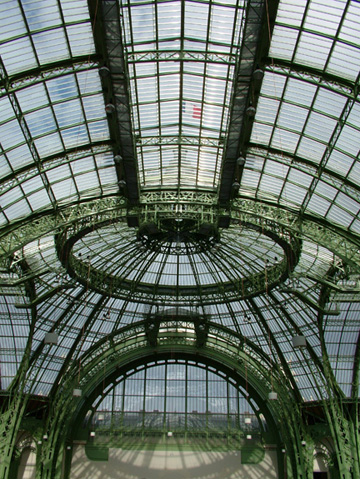
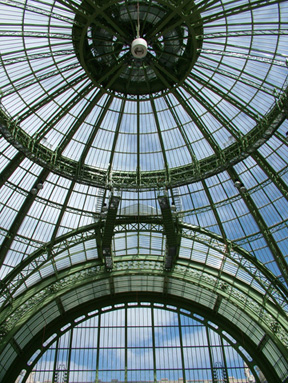
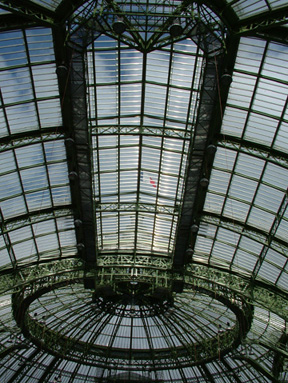
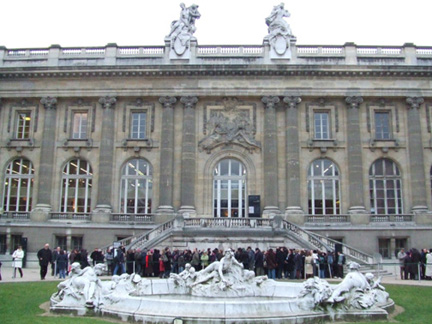
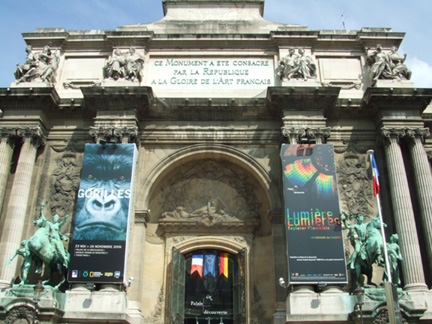
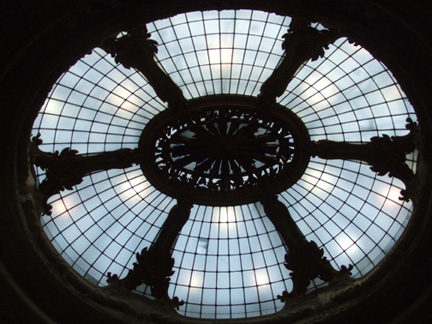
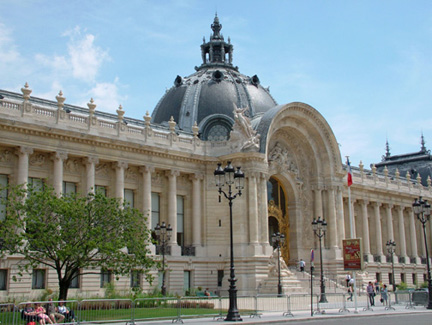
The magnificent Grand and Petit Palais stand along the Champs-Élysées. To the left lies the resplendent Pont Alexandre III, Paris’s most grandiose bridge, while in the distance, the golden dome of the Hôtel des Invalides gleams. To the right are the Champs-Élysées and lush gardens. These two massive structures and the Alexander Bridge were products of the 1900 Paris World’s Fair. They represent the most important “Modernist” architecture for Paris as a modern metropolis welcoming the new century of the 20th century. Their features emphasize reinforced concrete structural mechanics (continuing the tradition of the Eiffel Tower) and natural lighting (with roofs primarily made of transparent glass, like greenhouses), further highlighting and enhancing the spacious and high-ceilinged interiors within. The British named this style “Museum Style.” The Grand Palais became Paris’s showcase for various exhibitions (art specials and industrial/commercial shows), serving as the city’s most important cultural and commercial exhibition window. The Petit Palais serves as the museum for the Paris municipal art collection and special arts exhibitions.
Grand Palais
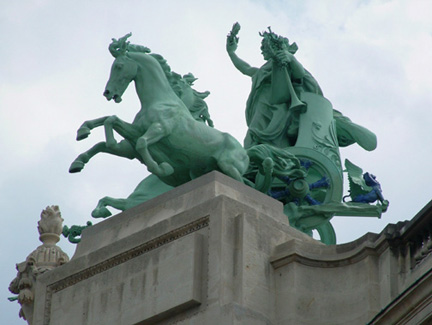
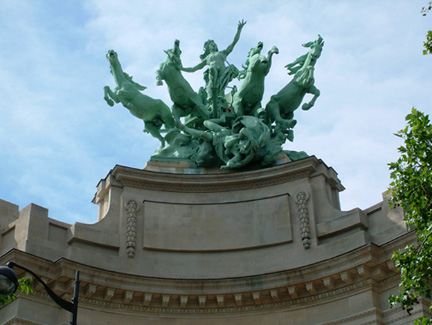
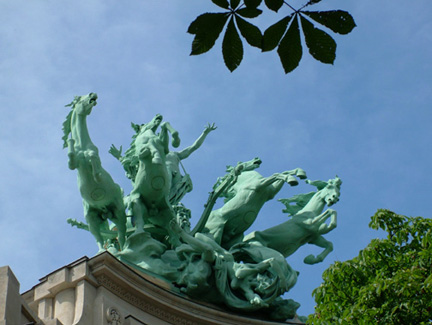
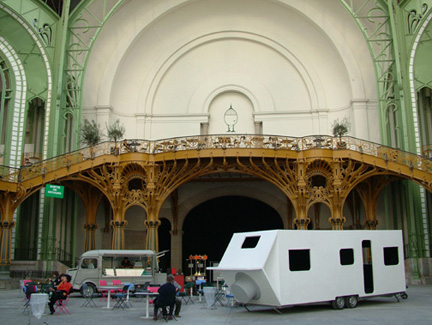
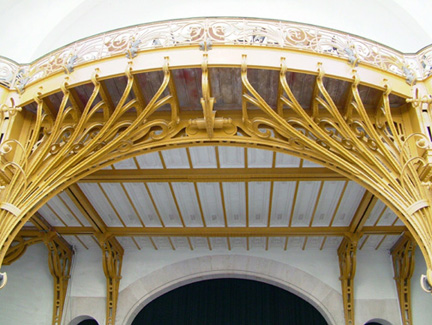
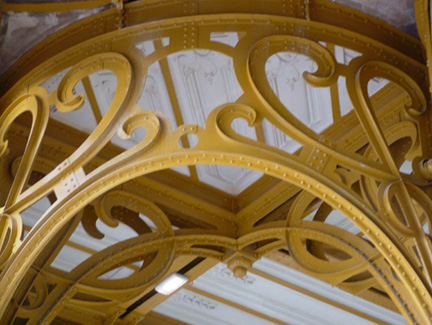
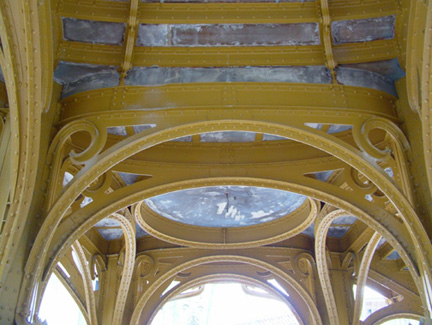
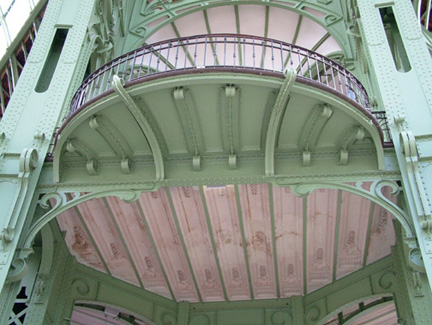
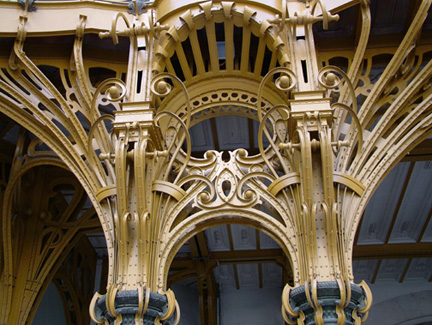
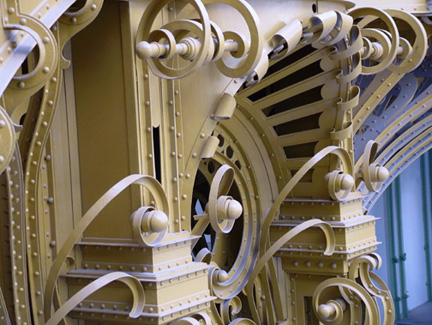
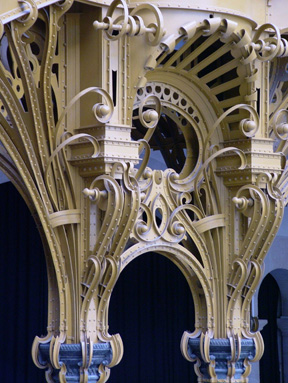
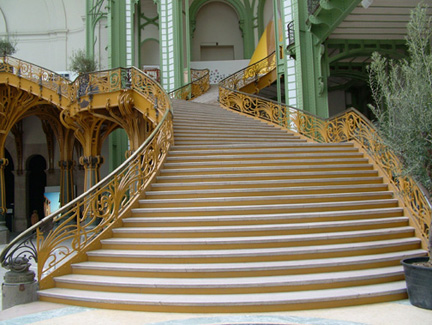
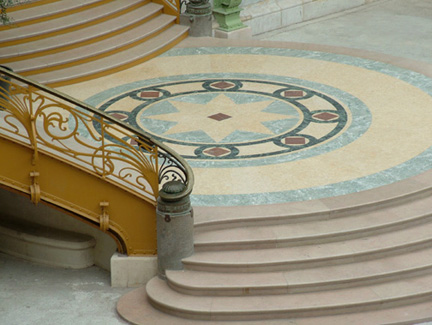
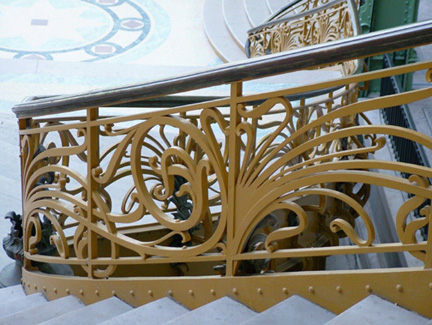
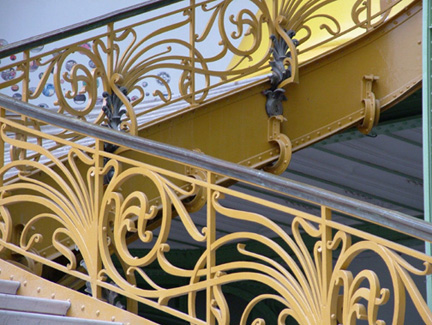
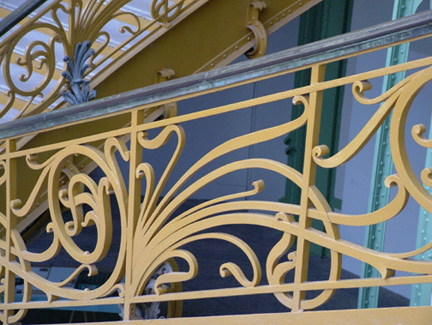
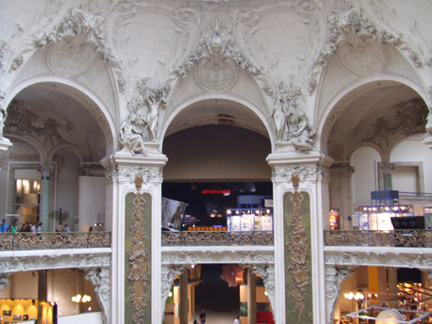
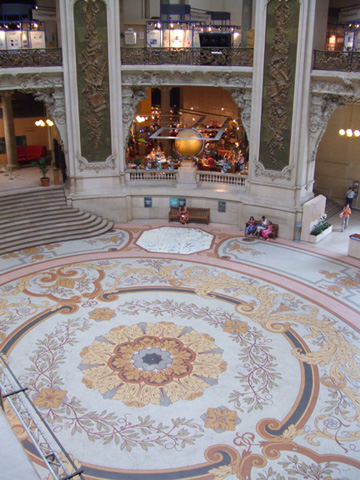
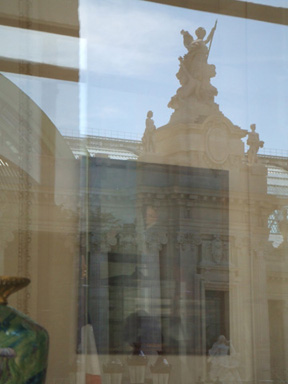
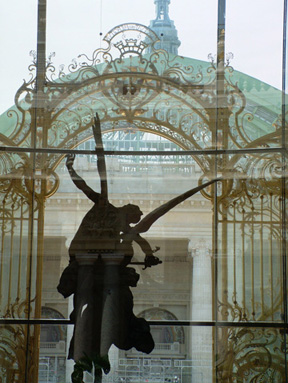
The majestic Grand Palais was jointly designed by renowned architects Deglane and Louvet. It is the largest building in Paris since 1900, with a frontage 240 meters long and 43 meters high. Its exquisitely carved classical exterior features decorative colonnades; within the Art Nouveau decorative style, intricate patterns composed of colorful small mosaic tiles create ornate designs, crowned by a magnificent glass roof. Atop the front and the large entrances on both sides stand imposing giant statues of winged chariots, masterpieces by famous French sculptor Recipon, adding a finishing touch of splendor and magnificence.
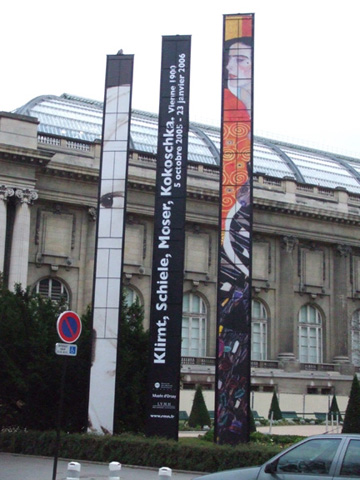
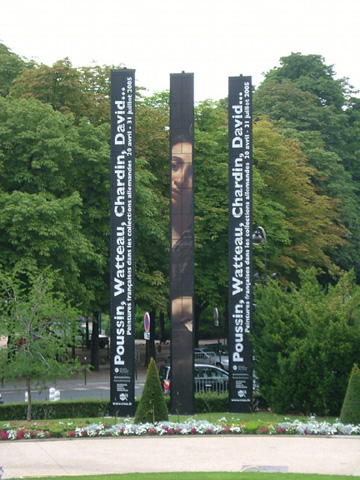
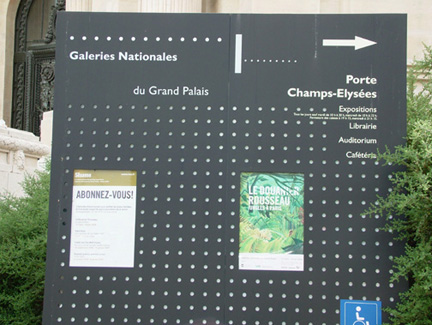
The Grand Palais is planned into several unit spaces: the wide front space hosts various international and French industrial and commercial exhibitions (ranging from appliances, book fairs, instrument exhibitions, antiques to major art salons and international art fairs). The left entrance (near the Seine) houses the Faculty of Arts of the University of Paris. On the right (facing the Champs-Élysées), two spacious exhibition rooms serve as the National Gallery. One is a large space for modern painting exhibitions, hosting major retrospectives (such as those of Picasso, Cézanne, Monet, Matisse, Rousseau, etc.). The other is a classical art exhibition room, frequently hosting thematic exhibitions and large-scale displays of classical masters (such as Titian, Raphael, Poussin, Ingres, etc.). It has become the most important window for industry, commerce, and arts in the Paris metropolitan area.
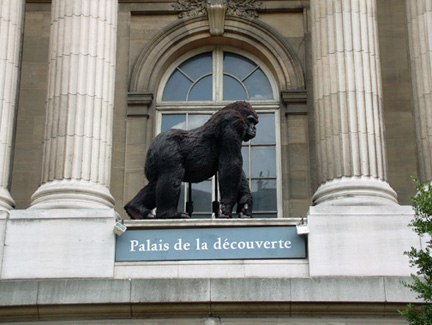
The Grand Palais also houses the Palais de la Découverte, created during the 1937 World’s Fair. It specializes in exhibiting mathematical principles, physical laws, biology and chemistry, medicine, and computer science, resembling a physics and science laboratory that often attracts many student groups and science enthusiasts.
Petit Palais
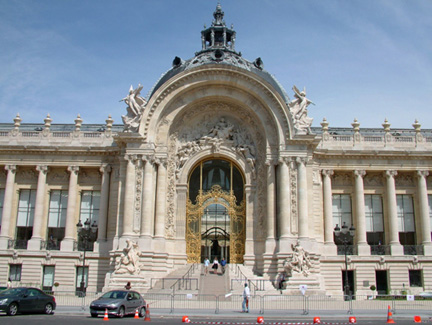
The Grand and Petit Palaces face each other like sister palaces. Compared to the Grand Palais, the Petit Palais appears delicate and exquisite, like a jewelry box. It was built by renowned architect Charles Girault and served as an exhibition venue for the 1900 World’s Fair. In 1901, the French government donated this building to the City of Paris, after which it became the Palace of Fine Arts for the Paris municipality.
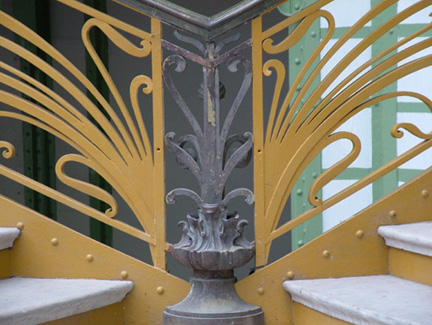
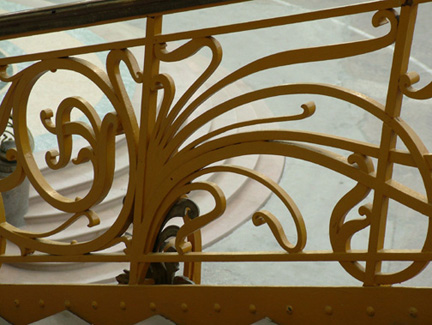
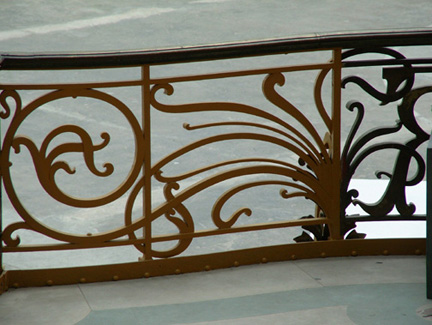
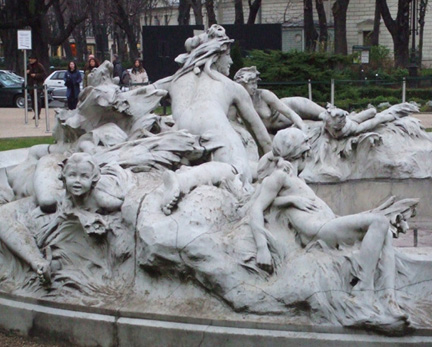
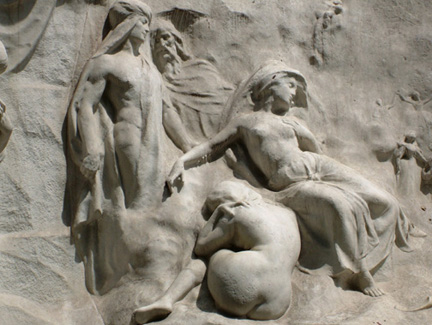
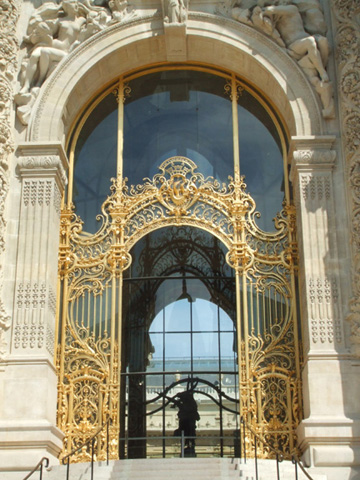
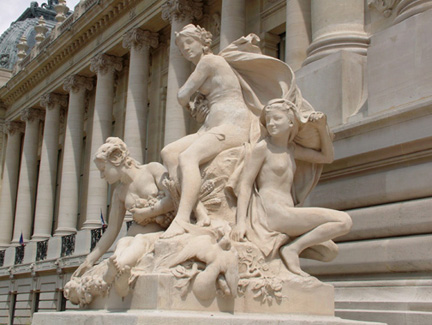
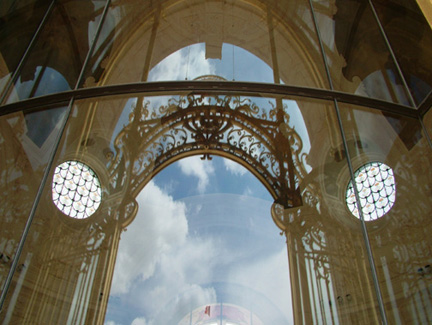
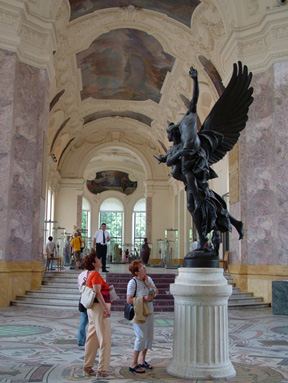
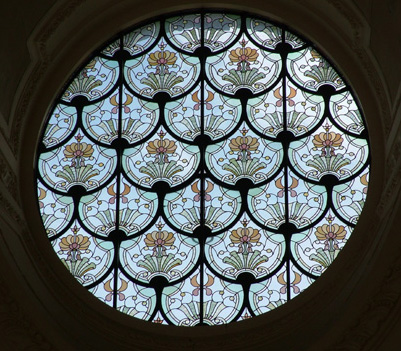
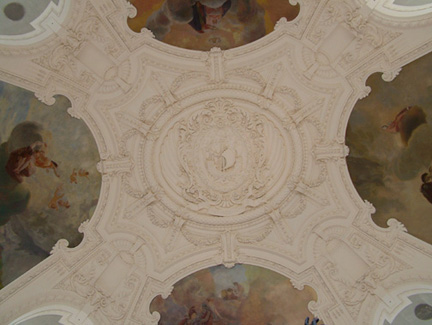
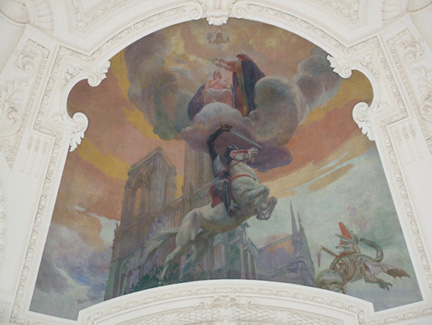
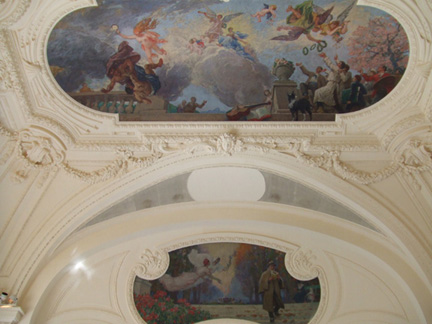
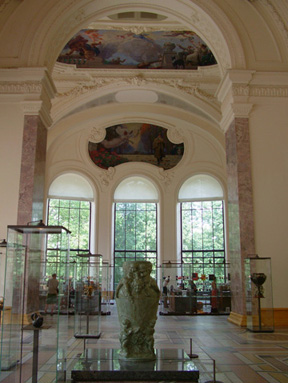
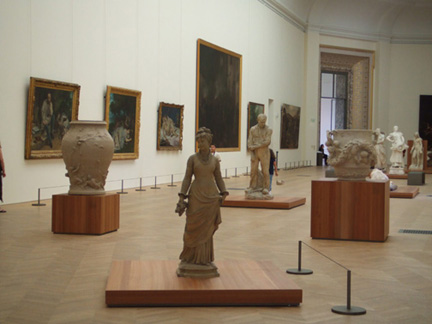
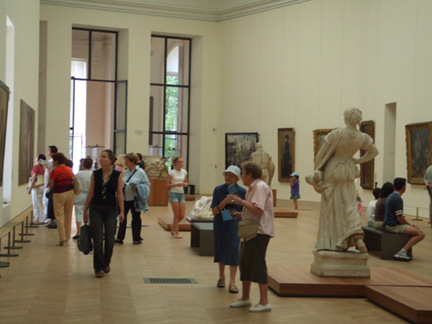
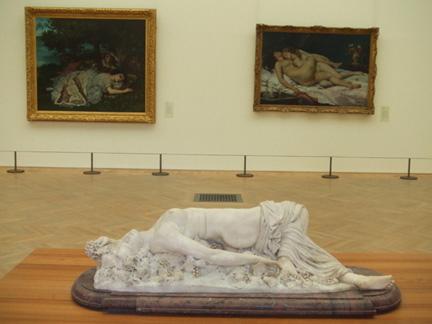
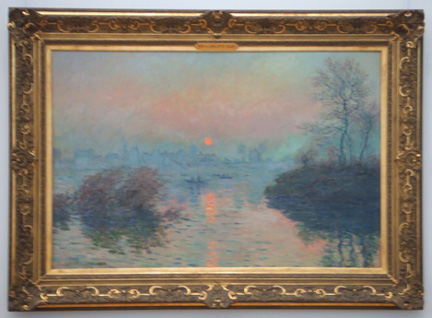
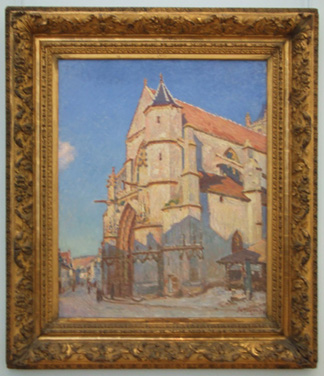
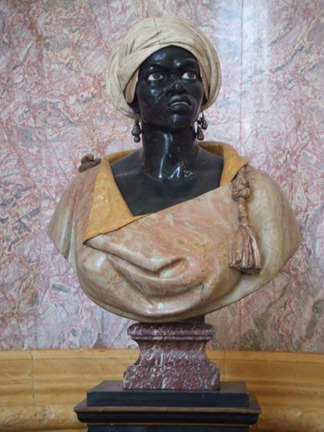
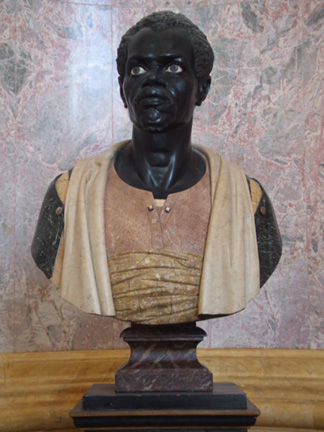
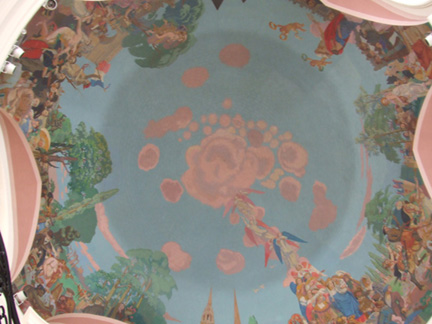
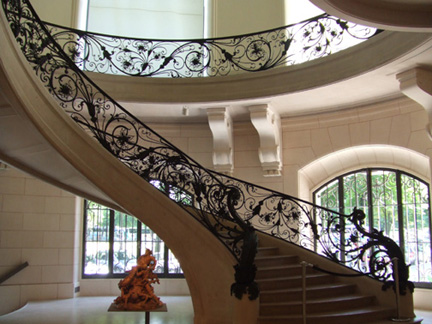
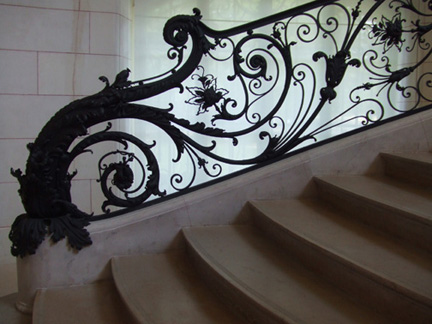
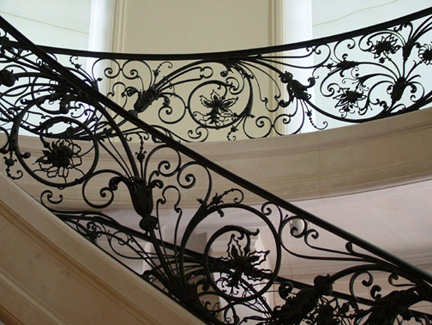
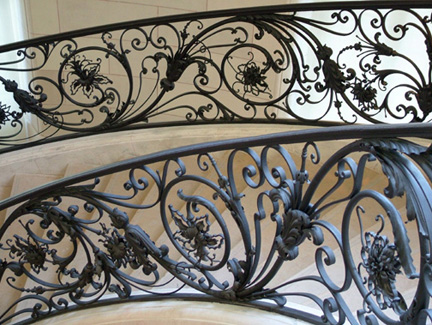
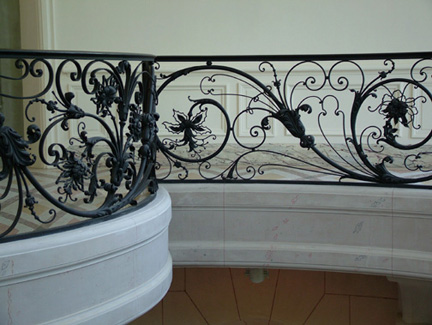
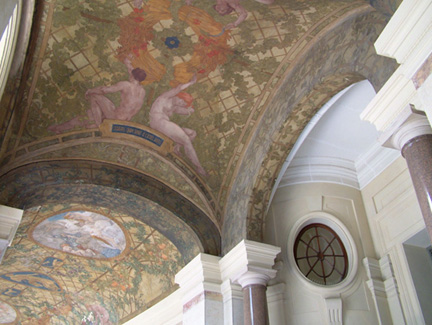
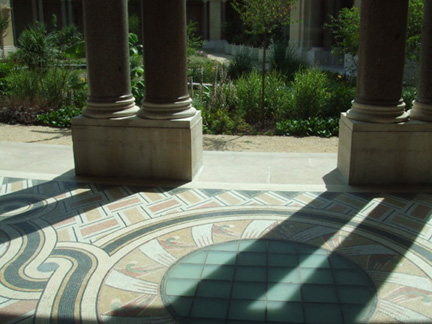
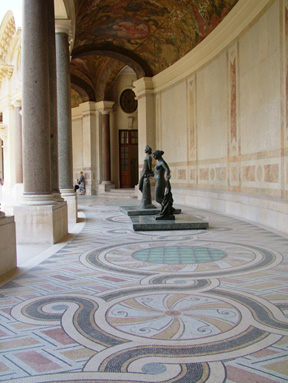
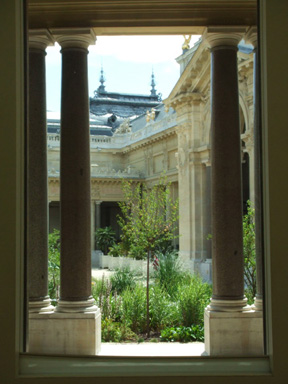
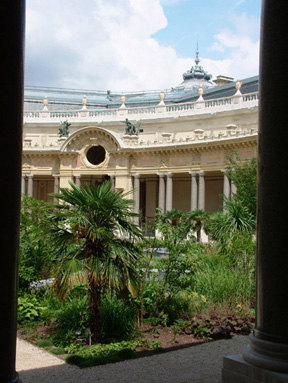
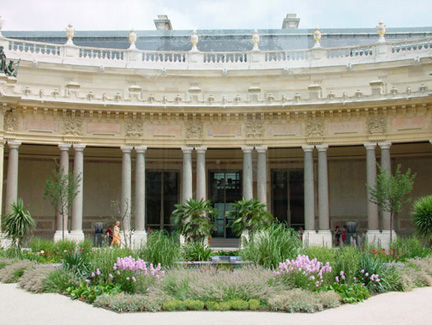
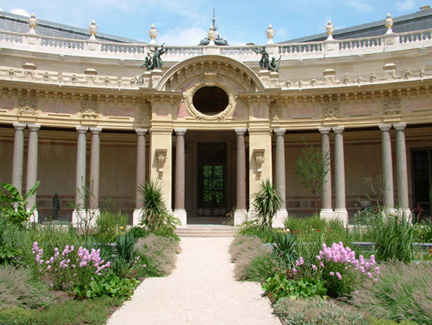
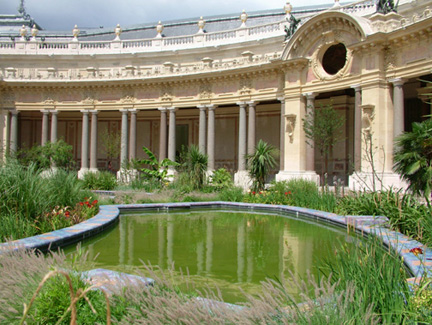
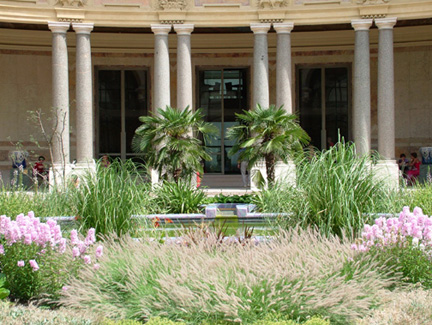
The delicate and ornate Petit Palais truly resembles a palace, with its architectural style echoing the Grand Palais: decorative Ionic capitals, exquisitely carved golden porticos, and charming sculptures, all rendered stunningly under lavish Art Nouveau decoration. Like a palace interior, it features luxurious ceilings and magnificent murals, carved railings and jade-like wall decorations, adorned with series of statues. A small, colorful garden sits in the semi-circular courtyard. Here resides the City of Paris’s collection of artworks and artifacts, systematically collected since 1870 under a structured cultural policy. Thus, the Taipei Fine Arts Museum possesses a rich collection of 19th-century artworks, including works by Romanticists Géricault and Delacroix, Neoclassicist Ingres, Realist Courbet, Barbizon School painters, and Impressionists. It also includes works by Art Nouveau and Symbolist painters such as Redon, and sculptors Carpeaux and Dalou. Additionally, it holds medieval artifacts, Renaissance paintings, sketches, majolica, and 18th-century household items, making it a sanctuary for art lovers.