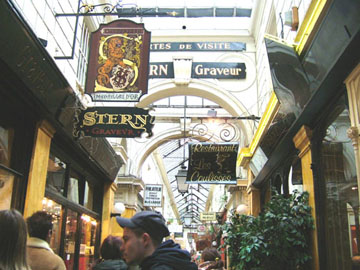
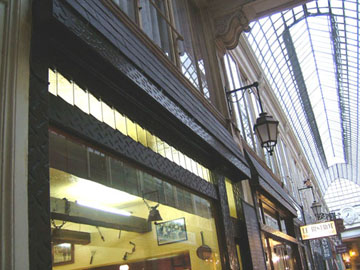
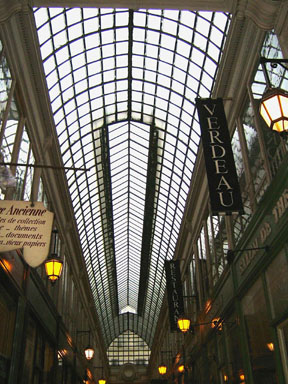
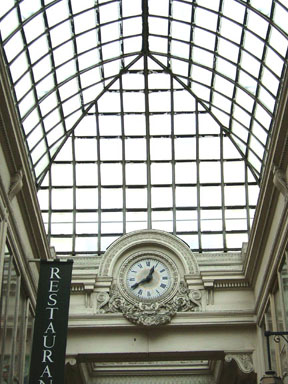
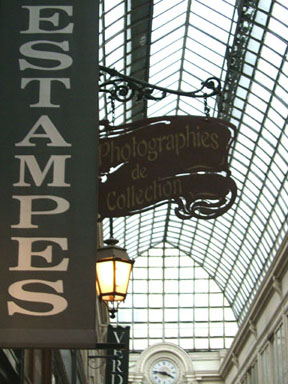
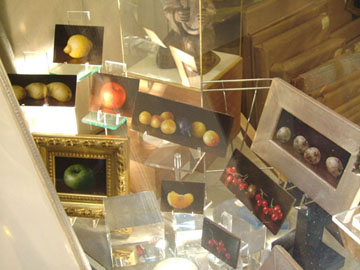
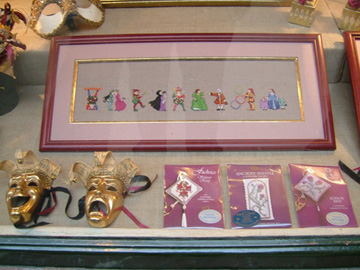
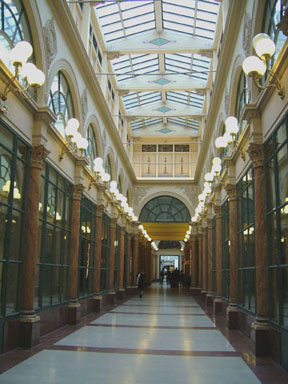
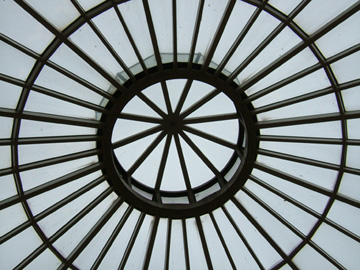
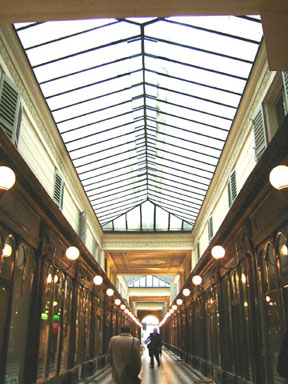
Paris has many unusual places or spaces for leisurely strolls that allow one to relax and wander freely, especially those unexpected covered passages. These unique passages are located on the right bank of the Seine, near the grand avenues around the Opéra, the Palais Royal, and the Palais de la Bourse. Appearing during Paris's modernization in the early 19th century, these tall, slender shopping streets were covered with state-of-the-art transparent glass, creating a bright and comfortable greenhouse-like atmosphere. Regardless of the season, they became a favorite leisure spot for Parisians, housing various shops, old book stalls, antique dealers, galleries, afternoon tea rooms, restaurants, cafés, and craft studios. To this day, they preserve their special historical ambiance, evoking the scent of old Parisian fashion.
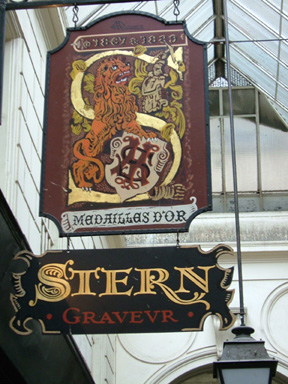
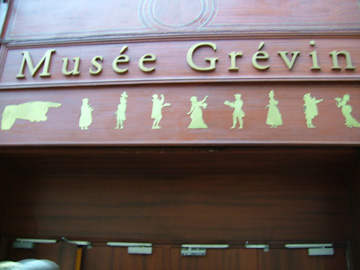
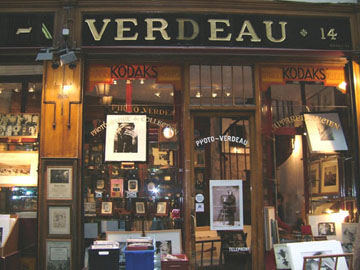
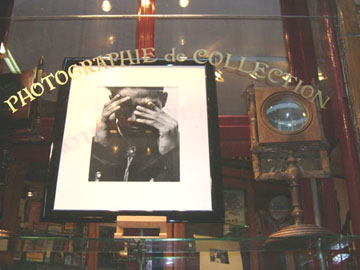
When exiting the Bourse metro station and turning right onto Rue Saint-Marc (10), one reaches the Passage des Panoramas, Paris's oldest passage built in 1799. Its eye-catching signage advertises stamps, ancient coins, vintage postcards, prints, and restaurants, making it a paradise for nostalgic collectors. On the other side, along Boulevard Montmartre, is the Passage Jouffroy, famous for the Grévin Wax Museum. It features beautiful arched transparent roofs, a series of upscale decorative shops, unusual object stores, and charming toy shops. Opposite lies a renowned Parisian patisserie often frequented by gourmets, alongside rare bookstores, making it a prime spot for wandering. In the same direction is the Passage Verdeau, offering diverse and captivating windows displaying old camera shops favored by collectors, print shops, and various gift stores that crowd with holiday shoppers at Christmas.
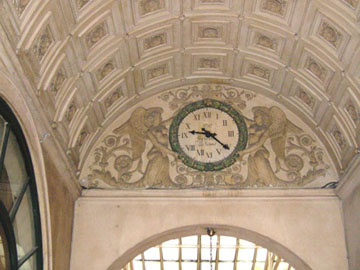
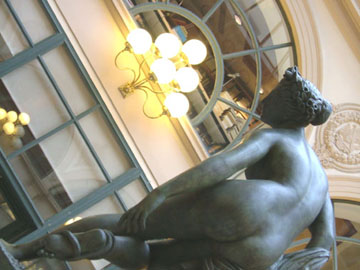
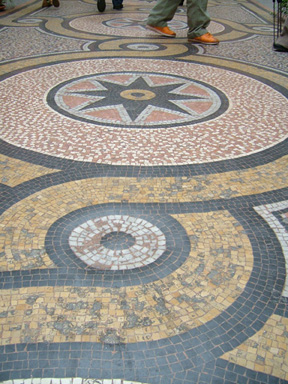
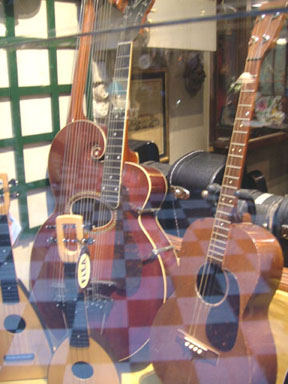
Near the Drouot auction house on Rue Saint-Augustin lies the Passage Choiseul, known for its fake jewelry shops and internet cafés. Turning left onto Rue des Petits-Champs leads to the more upscale Passage Colbert, featuring a charming transparent glass dome, lighting fixtures, bas-reliefs, and carvings resembling a museum. This perfect passage houses high-end French restaurants, preferred by businessmen and politicians for discussing deals and dining. The most enchanting passage, near the former National Library, is the Passage Vivienne (built in 1826). With its stunning mosaic floors and dazzling boutique windows, it hosts fashion design studios, old art bookshops, and galleries, serving as a place for afternoon tea and dinner, and historically a favorite haunt for writers and dates. The Gallerie Verot-Dodat offers a nostalgic atmosphere with old doll shops, refined rare bookstores, antique dealers, and guitar instrument workshops. The Passage Brady is the most exotic, where one can smell distinctive incense; it features Indian restaurants, grocery stores, and spice shops, acting as Paris's Little India. The Passage du Grand-Cerf is known for its furniture stores and design studios, while the Passage des Princes is a famous toy street.