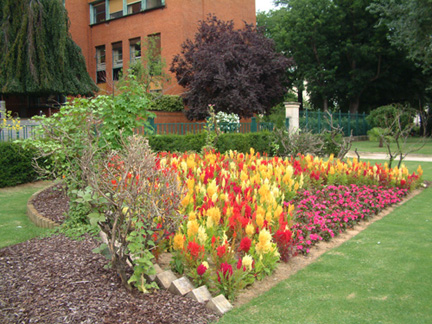
. This lush, elegant, and refined park is situated in the densely populated 13th arrondissement. It is one of the two major green oases in the south of Paris (the other being Parc Kellermann), both belonging to the garden style of the 1930s. It is located near Paris's Chinatown, not far from the bustling Place d'Italie. This site was formerly the location of a 19th-century gasworks in Paris; it is a garden born from the urban renewal plan of the 1930s. It was meticulously designed by architect Edouard Crevel in 1937. The entire park is organized around the distinctive red-brick building — the Dental Association — which stands like a castle within the garden. In the rigorous geometric style of French gardens: geometrically symmetrical lawns, flower beds, tree-lined paths, fountains, an outdoor theater, a children's playground, an outdoor café, and so on, all display a simple and generous aesthetic.
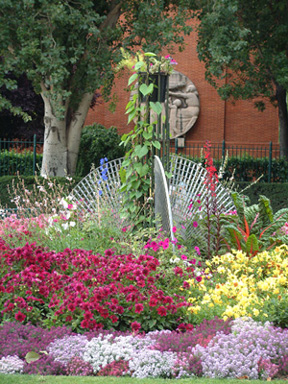
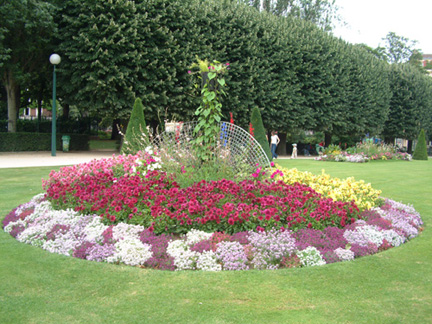
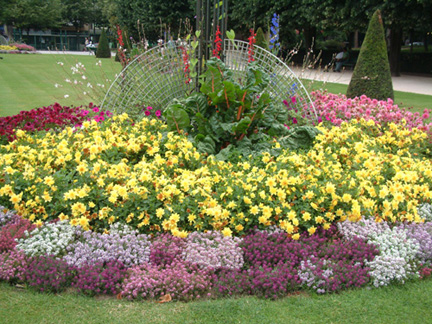
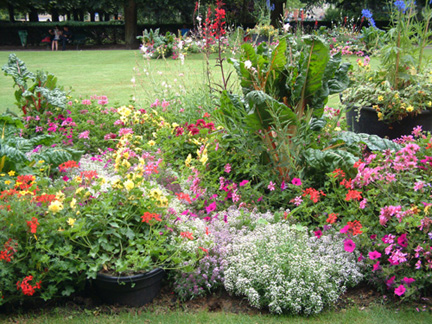
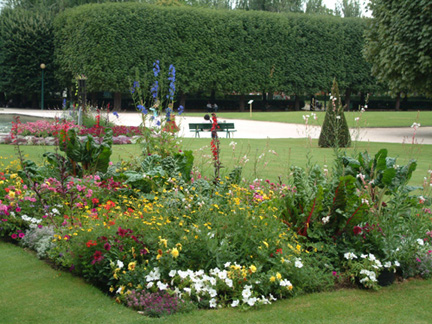
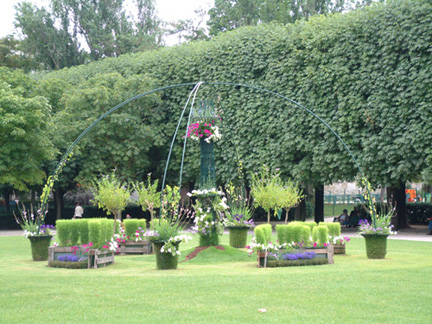
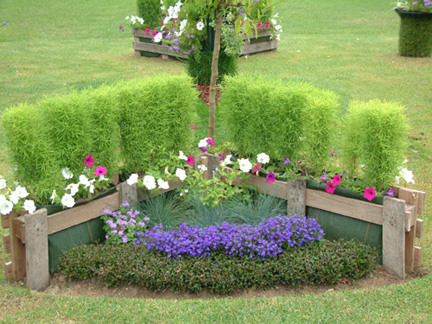
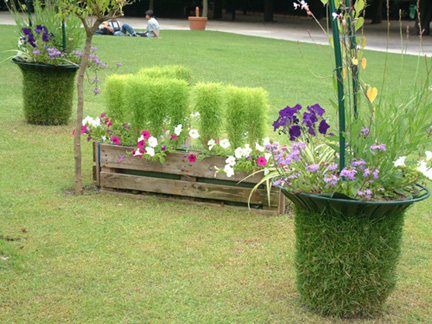
The symmetrical patterned flower beds in front of the red building resemble the arrangement of colorful ceramic tiles.Forms and colors become the musical rhythm of the circular seasonal flower beds.The praise of summer lies in its vibrant colors.The symphony of nature does indeed exist; she can see it and hear it.This colorful palette is a masterpiece of the earth, no, it is a display of the unique quality of life in the Flower City.Geometric rectangular and circular seasonal flower beds are the hallmark of Shu Ji Park.Like painters, gardeners also rely on a variety of colors to express themselves.Paris, the Flower City: The best experimental garden works during its sunny and breezy seasons, exploring various possibilities through bold designs.The forms and colors of flowers, plants, and vegetation, as well as their natural structures, are subjects explored in experimental new garden art.Gardens become a second nature, with flowers and plants as the primary elements of construction.