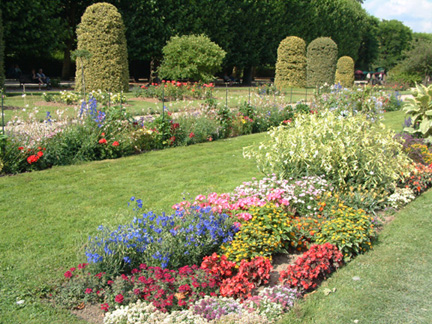
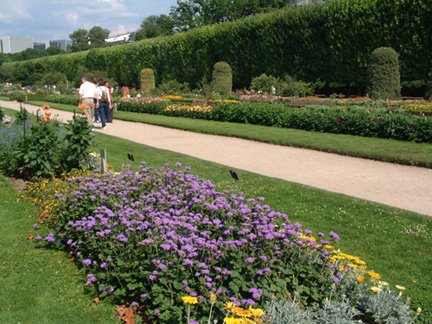
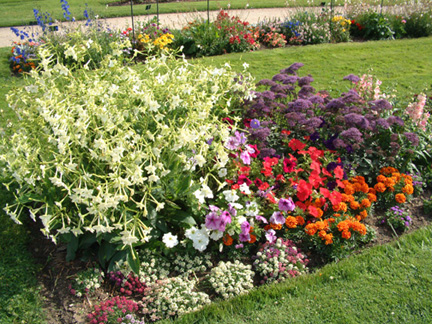
, a lush and colorful botanical garden, is France's largest and most important natural science museum. It includes five natural history museums, a small zoo, and a botanical school. The garden itself serves as the experimental and collection grounds for the Institute of Botany, housing exotic plants from around the world like an encyclopedia. It is a leisure space for Parisians of all ages, a paradise for flower viewing and artistic appreciation (ranking fourth among Paris's tourist attractions).
Vibrant and dynamic, the garden centers on the Natural History Museum. Its landscape is harmonious and orderly, featuring diverse themes such as seasonal flower beds, rose gardens, iris gardens, ecological parks, plant collections, Alpine gardens, subtropical greenhouses, and romantic gardens. With its multiple layers, changing light, and varied visual beauty, it stands out as a unique garden in the capital.
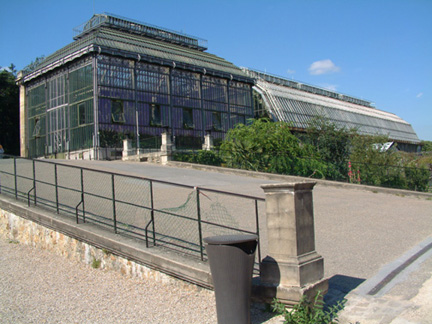
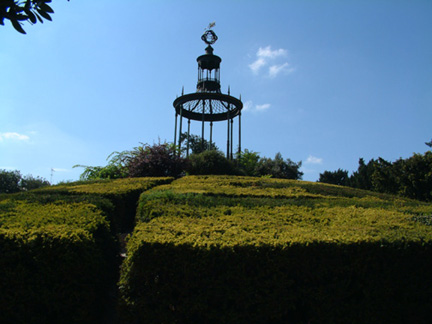
Originally a royal herb garden built in the 17th century by Guy de la Brosse, Louis XIII’s personal physician, in 1633, it was upgraded to a royal garden in 1640. By the late 17th century, it developed into a botanical garden. In 1739, under the design of French naturalist Buffon, the area expanded from 7 to 17 hectares along the Seine. Features like linden avenues, a maze, and a circular natural theater were added, making it a beloved Parisian retreat. After the French Revolution, a zoo was established with elephants, giraffes, and bears, astonishing visitors. The royal studio later became the Natural History Museum. Additional structures included two subtropical greenhouses (1834–1836), an Alpine garden (1931), and an iris garden (1964), forming the beautiful garden seen today.
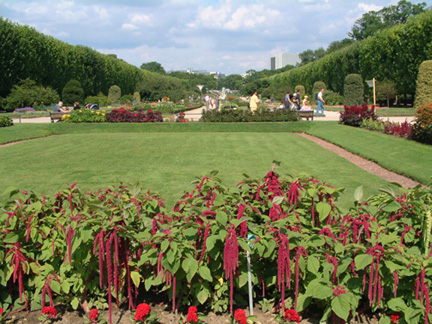
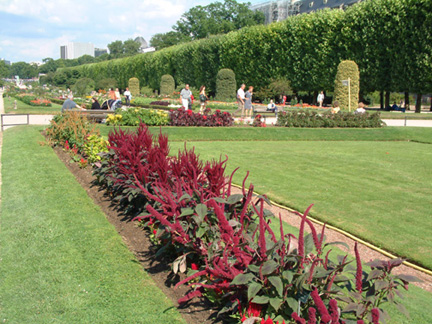
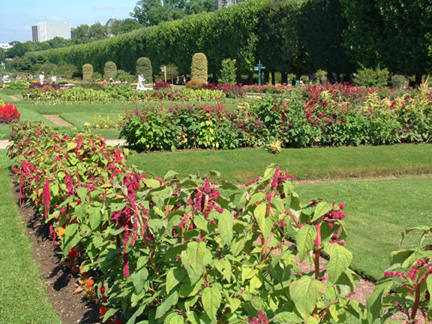
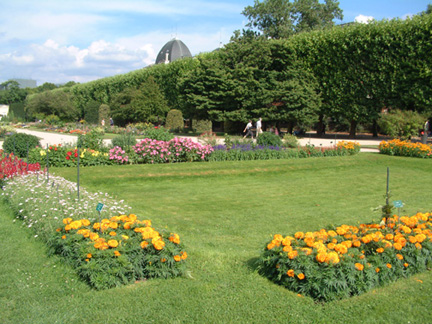
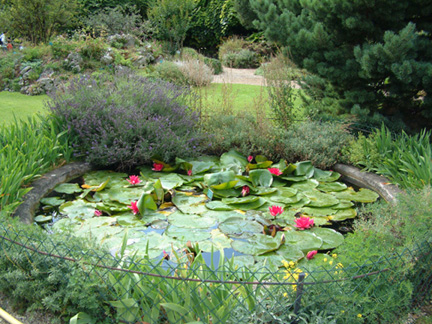
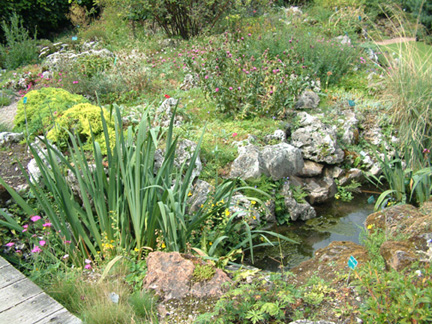
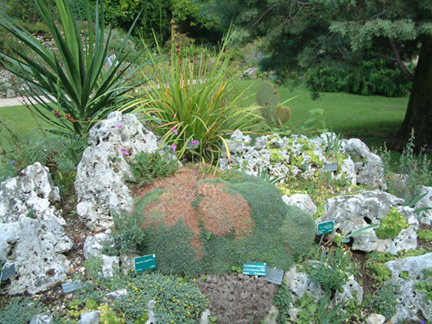
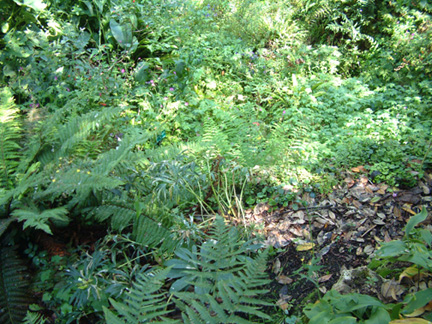
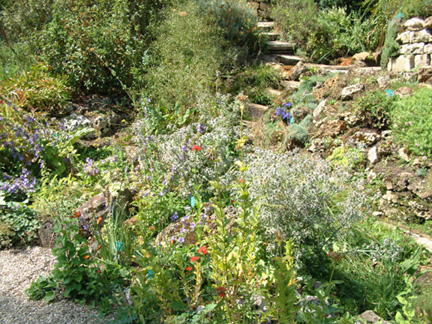
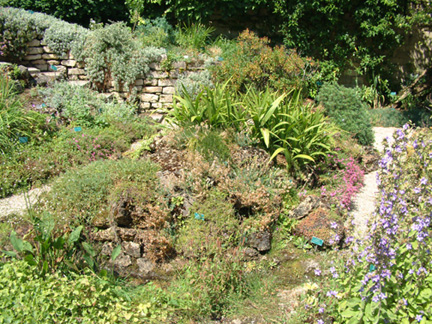
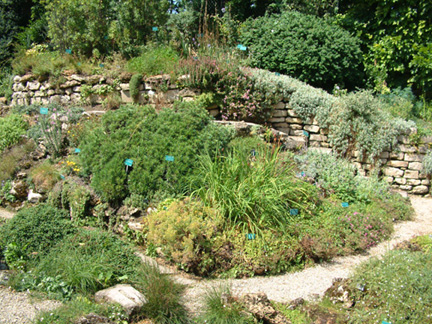
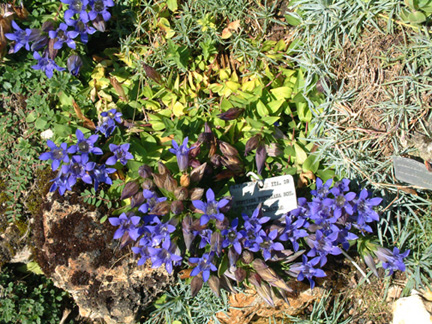
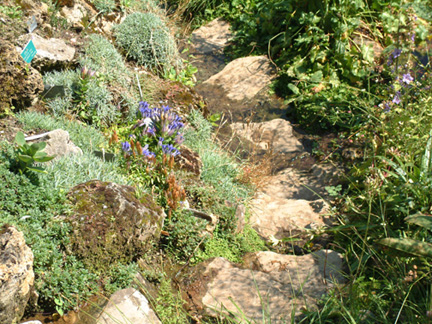
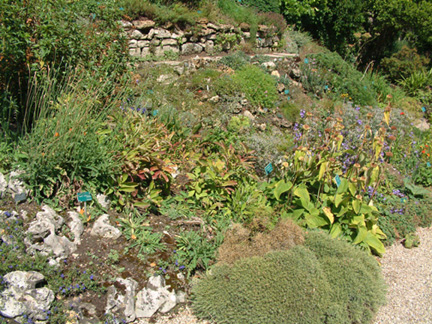
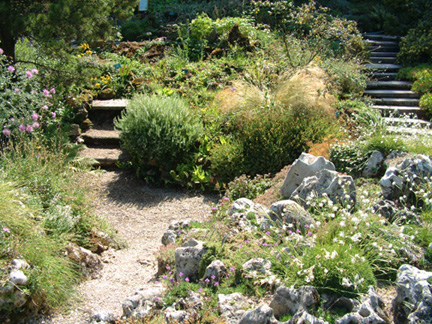
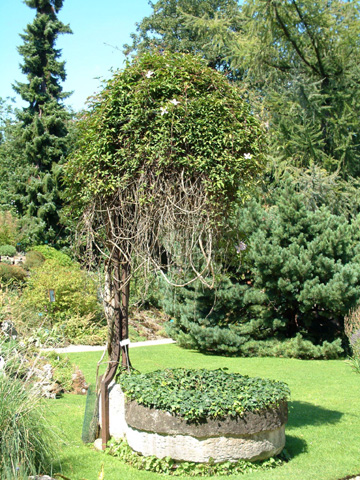
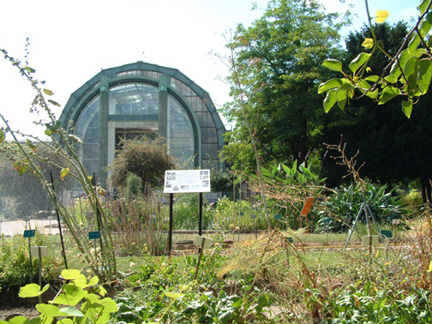
A lush, vibrantly beautiful botanical garden serves as a leisure space for Parisians of all ages, framed by the green canopy of old plane trees along the avenues.A vibrant botanical garden centered around the Natural History Museum, with a dazzling seasonal flower bed directly in front, making it a paradise for plant and flower enthusiasts.The seasonal flower beds at Leigh display various themed arrangements each year, such as primroses, broom, geraniums, or cockscombs.Vibrant seasonal plantings are integrated into the strict, orderly rectangular flower beds, shaping their forms and colors while unleashing their natural vitality.In 'Summer Ode,' the botanical garden's vibrant flower beds, adorned with colorful blooms, leave visitors lingering in awe.The vibrant flowers and plants of the botanical garden are a paradise for Parisians and pilgrims to admire blossoms, appreciate art, and find leisure.The bright sun and gentle breeze mark the botanical garden's vibrant, exuberant season of colorful flowers, playing a symphony of the changing seasons.The rare alpine garden of deep-mountain plants is the only high-altitude flower and plant cultivation institute in Paris.A diverse array of over 2,000 rare alpine plants creates a vibrant and varied botanical landscape.Clusters of green plants and flowers display boundless vitality on these mountain rocks.In this valley of forgetfulness for alpine plants, a unique natural aura of the deep mountains permeates the air.These astonishing exotic flowers and plants seem to be visible only in the Paris Botanical Garden.Rare alpine plants and flowers from around the world are planned to be arranged among high and low rocky crevices, gullies, and field paths.A winding, smooth field path, interspersed with plants and flowers that traverse the undulating rocky gullies, becomes a paradise for leisure.Such vividly deep blue small flowers can only bloom in high mountain meadows. It is a rare and precious surprise to see them in Paris, making it a delightful moment in life.Streams flow through rocky ravines, and the vibrant alpine botanical garden transports visitors into a secluded mountain illusion.The rare plants from the Caucasus and Himalayas in the botanical garden are so dense and lush, it is hard to imagine.A winding, smooth field path and undulating stone steps lead deep into the rocky terrain, making one forget the Parisian metropolis.A unique scene from a deep-mountain botanical garden.The Natural Ecology Park brims with vitality, showcasing the World Plant Collection Garden of the School of Botany.View of the Cactus Collection Greenhouse from the Natural Ecology Park.The Cactus Collection in the Great Greenhouse of the Botanical Garden, featuring a variety of cacti.The back garden of the Botanical Garden is a vibrant and beautiful natural theater, featuring numerous tall cedar trees and a maze centered around an elegant iron gazebo. It offers an excellent vantage point for viewing the city and the gardens.