
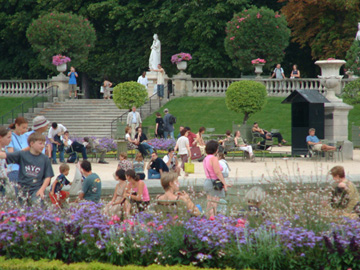
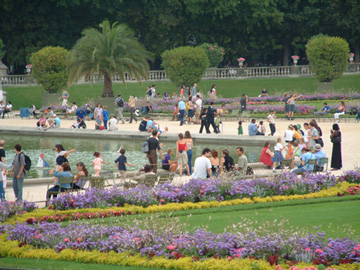
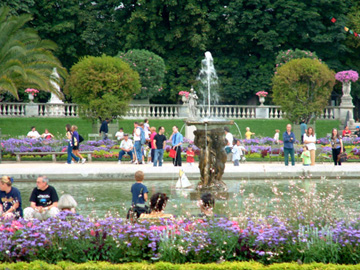
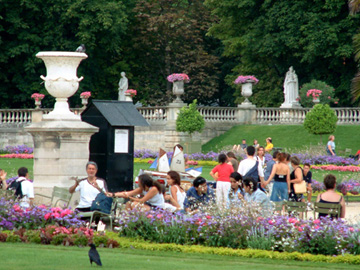
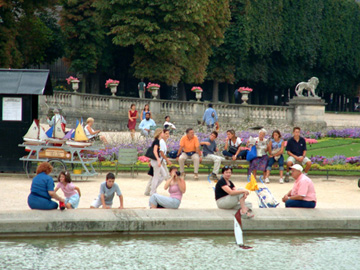
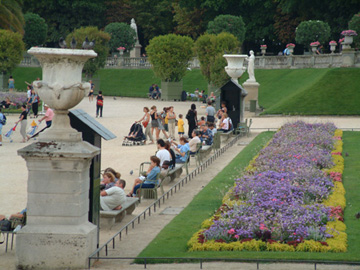
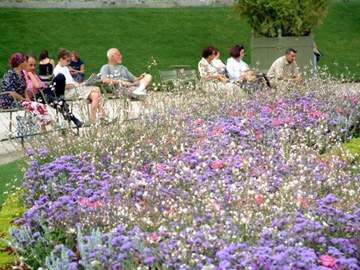
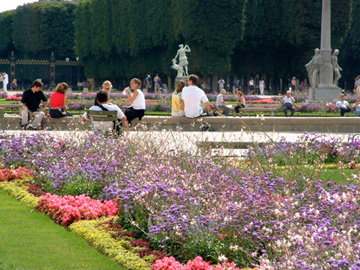
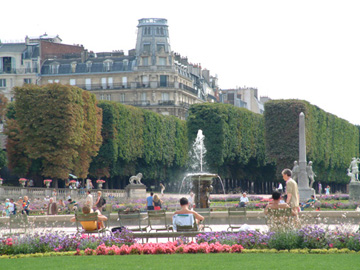
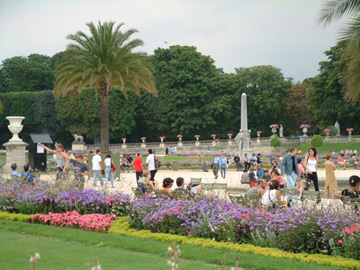
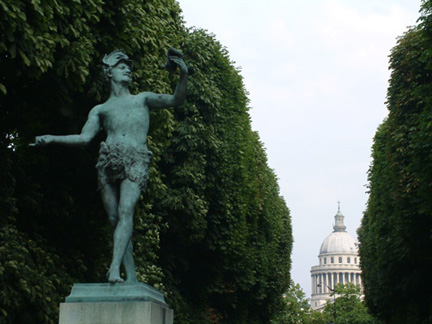
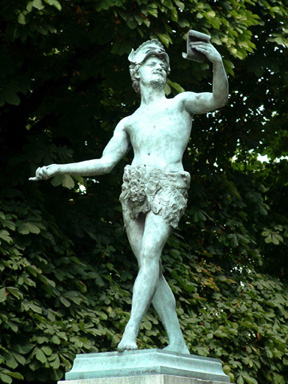
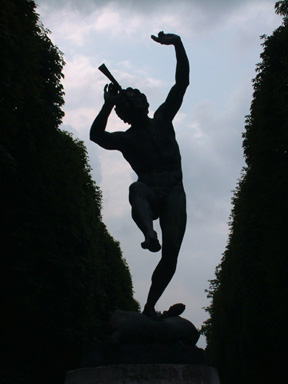
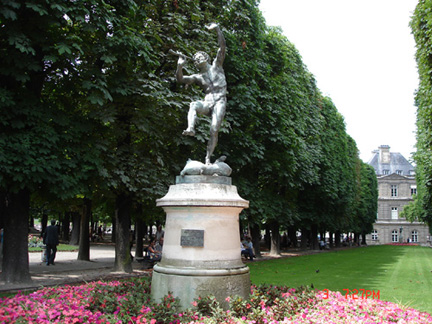
is well-known in the capital city. It is the most magnificent and charming garden in the metropolis, and the largest oasis amidst the bustling traffic on the Left Bank of the Seine. Colorful and beautiful, it is filled with a strong sense of French historical sentiment. It is also one of the most noble royal gardens in the capital, located in the vibrant Latin Quarter, facing the majestic Panthéon.
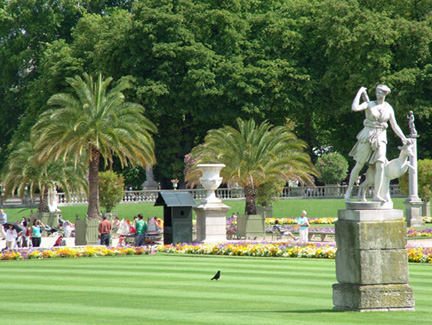
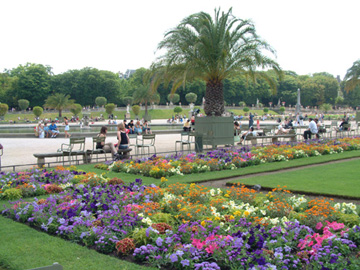
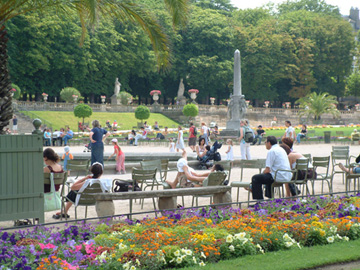
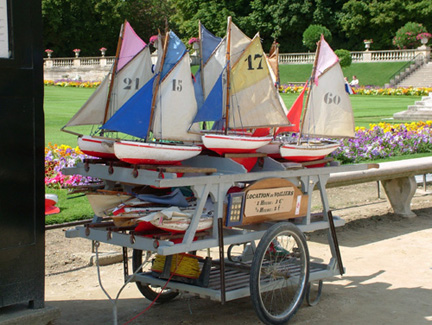
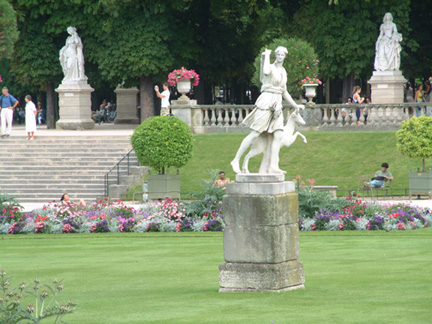
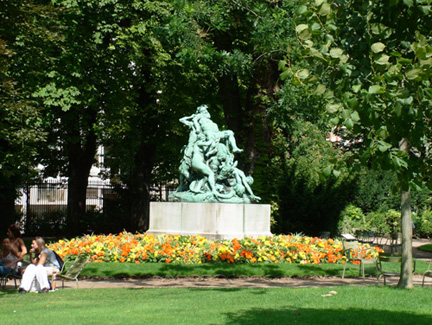
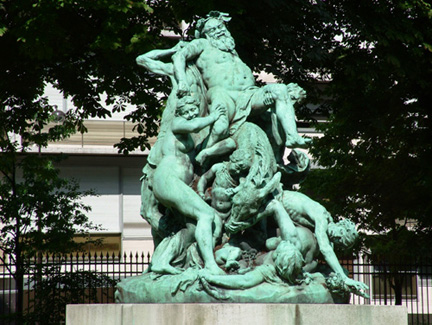
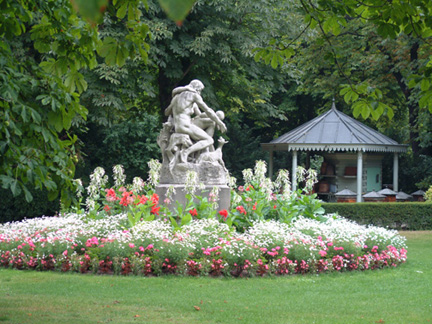
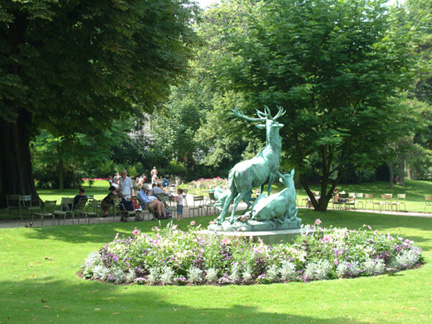
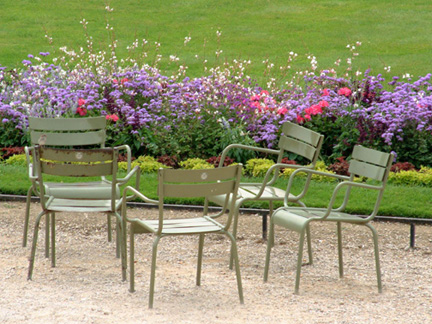
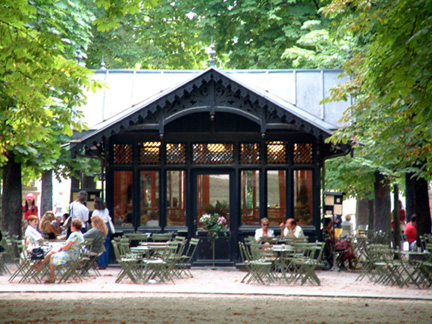
The garden is divided into three main parts: centered around the current Upper House, there is a strict and perfect French garden to the front; to the right is a lush English garden, which includes an orchard. Within the English garden are a children's playground, tennis courts, basketball courts, leisure spaces for the elderly, and an orange grove, among other things. Its diverse functions make it like a paradise in the capital. In this smooth and free-flowing space, harmony and perfection delight the eye and captivate the mind, making it a beloved back garden for Parisians.
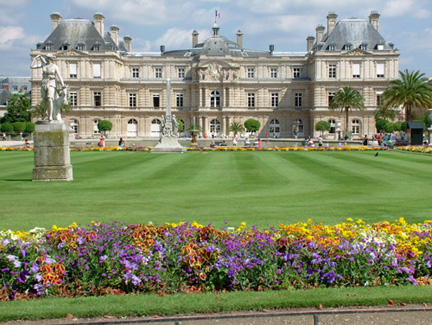
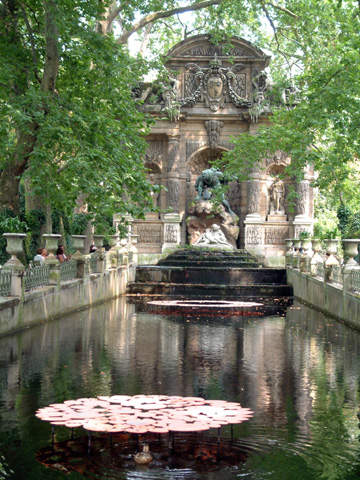
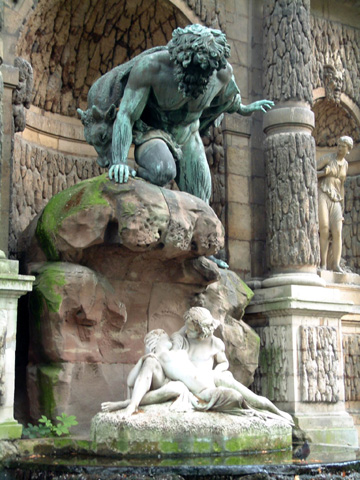
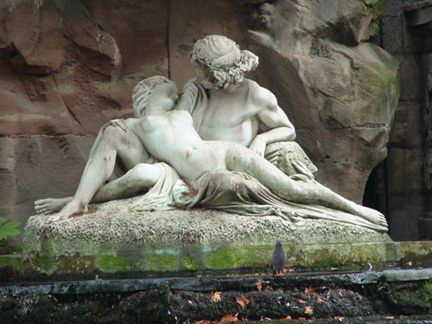
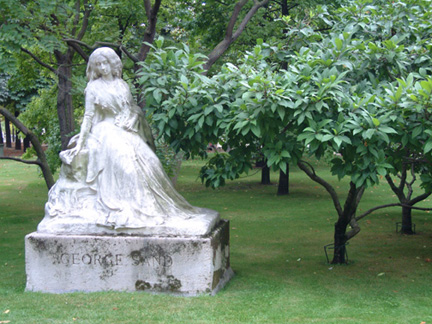
History of the Luxembourg Garden: After Henry IV died unfortunately in 1610, Queen Marie de' Medici grew tired of the opulent Louvre and sought a quiet, peaceful pastoral life. She established her own palace in the green fields. In 1612, she purchased the duke's mansion and land from the Duke of Luxembourg. In 1615, she invited the renowned architect Salomon de la Brosse to build the magnificent Medici Palace based on her small palace in Florence. Subsequently, famous horticulturists Nicolas Deschamp, Jaques Boyceau, and Thomas Francini planned the exquisite garden. Finally, Queen Marie de' Medici moved into the new palace in 1625. However, this good fortune did not last long. In 1630, after a direct political conflict with Prime Minister Richelieu, the Medici Palace was abandoned, and Queen Marie de' Medici went into exile in Cologne, Germany, dying in poverty in 1642, unknown to people.
The Medici Palace was inherited by Gaston d'Orléans, brother of Louis XIII. Under the skillful work of his chief gardener Ombert Le Nôtre, it became a perfect and strict French garden. Later, it passed through the hands of the Duchess of Montpensier, and in 1715, it was inherited by the Duchess of Berry. Finally, it was taken over by the Count of Provence (the future Louis XVIII), who added ten hectares to the garden and opened the royal garden to the public.
During the French Revolution, it was the most tragic period for Luxembourg. The palace became an arsenal and later a famous royal prison. Among the most famous prisoners were Danton, Camille Desmoulins, and the famous painter David, etc. The garden was almost desolate. At the beginning of Napoleon's rule, Luxembourg became an opulent residence, and he changed the high walls of the garden to gilded iron railings. Until the time of Napoleon III, the magnificent grand perspective avenue of Luxembourg was expanded, from Luxembourg to the Avenue of the Observatory, and the newly acquired land in the north and south of Luxembourg was developed into a natural English garden.
During the Second French Empire, the new face of the metropolis was updated. Roads and avenues surrounding Luxembourg were widened and developed, giving the Luxembourg Garden its current appearance. Additionally, various trees were widely planted, and the vineyards of the former Chartreuse monastery were developed into a vibrant orchard. The park was then opened, becoming a paradise for people in the capital to rest and enjoy leisure. The once notorious royal prison is now the important site of the French regime—the Senate.