When discussing classic French gardens, one immediately thinks of the unparalleled grandeur of the Gardens of the Palace of Versailles. Located in the suburbs southwest of the capital, within a lush and bright natural theater, it is centered on the magnificent palace and built upon a strict, organic geometric symmetry. It appears quite docile and cultivated, as if the garden were mastering nature itself.
The vibrant gardens are filled with strong historical sentiment from France, entirely shaped under the symbolism and allegory of Louis XIV’s divine right to rule—the "Sun King" and "Apollo"—to create a world-renowned, vast, and majestic garden. Visiting the capital seems incomplete without seeing Versailles; it is the most outstanding leisure garden that people most eager to see first. It allows visitors to glimpse the elegance of French gardening and experience the ultimate aesthetic beauty of French humanities.
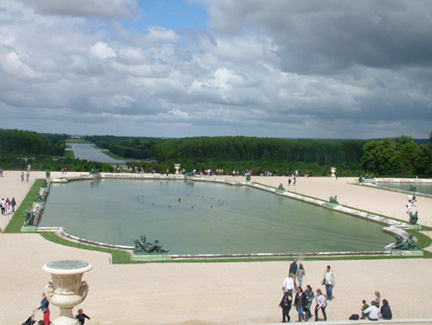
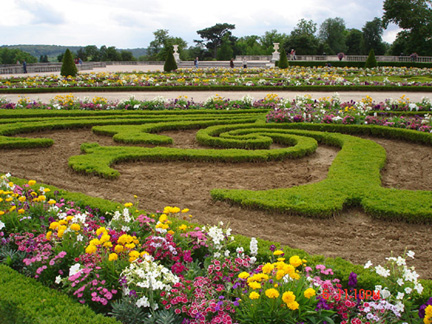
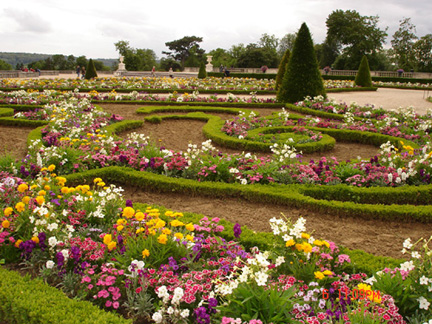
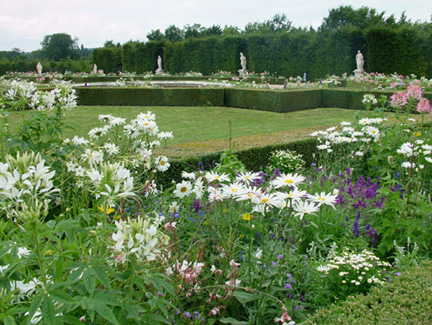
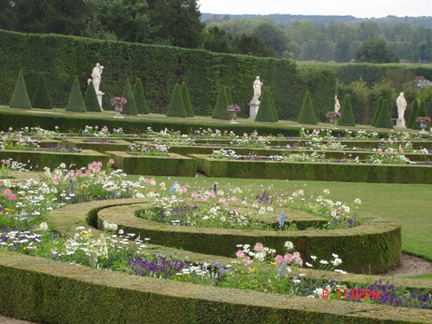
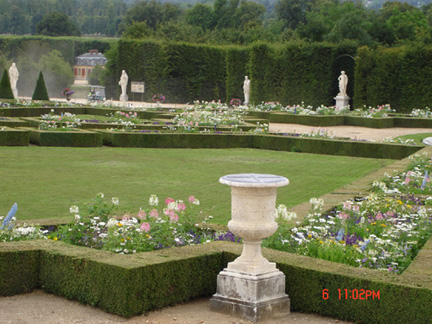
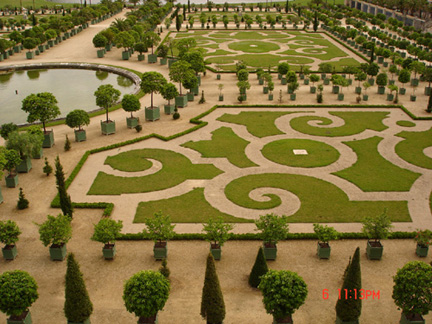
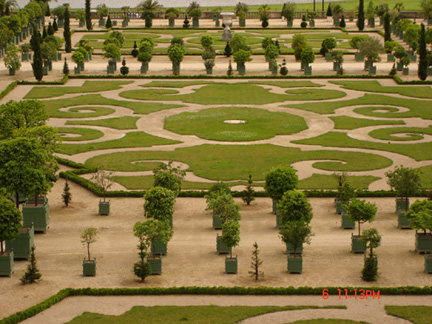
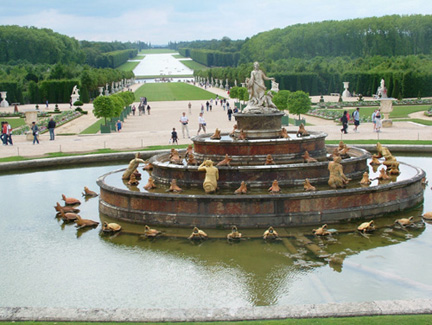
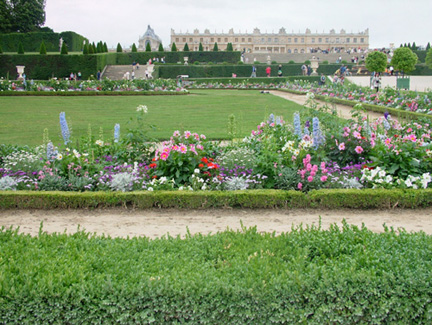
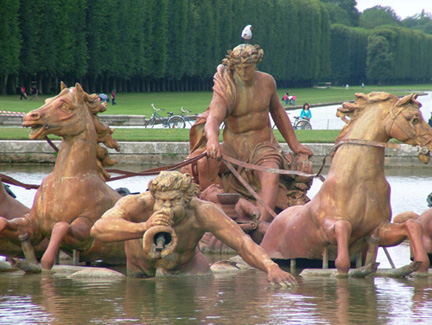
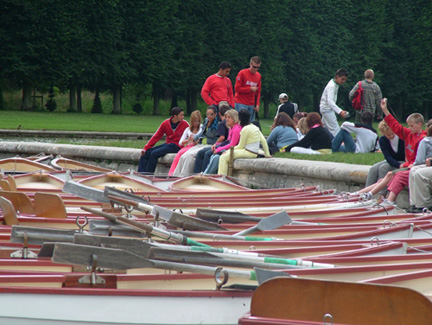
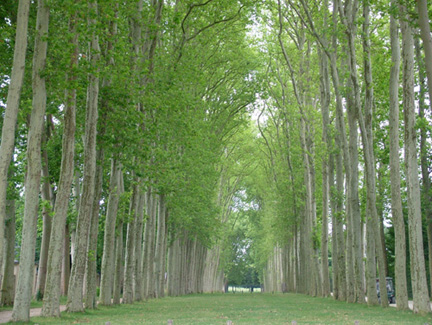
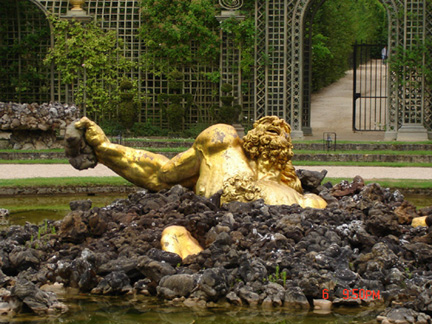
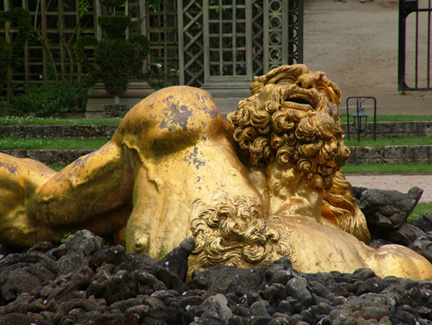
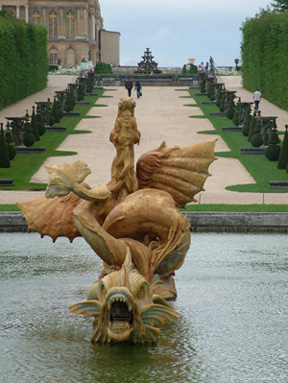
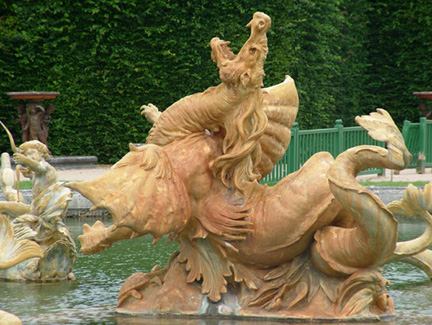
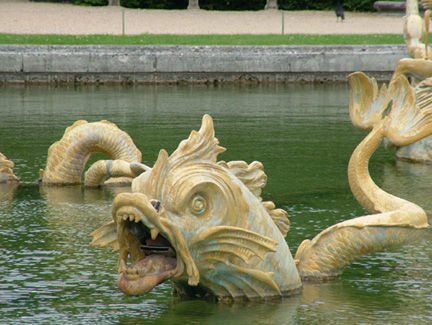
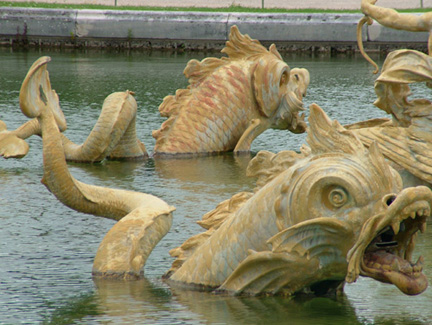
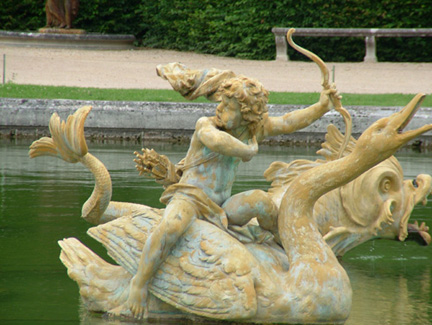
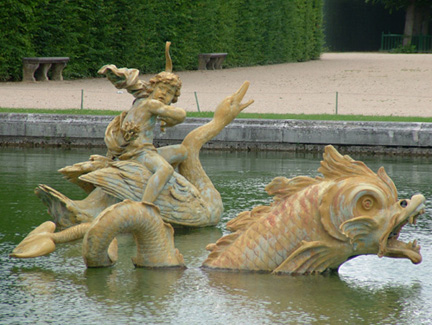
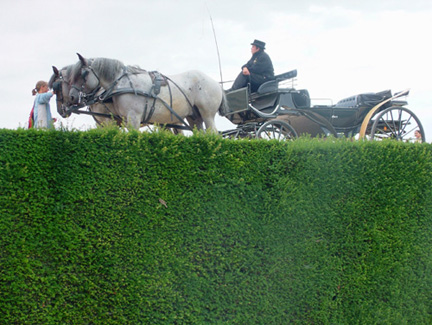
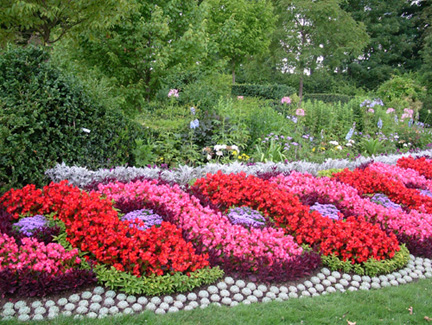
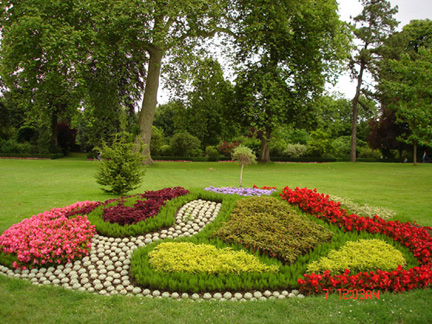
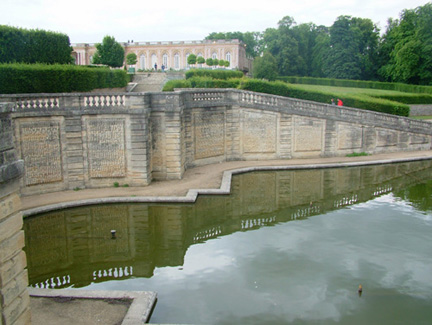
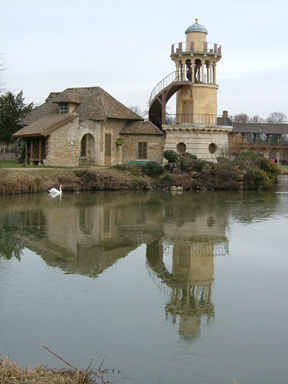
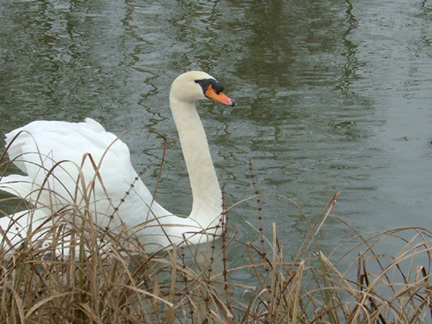
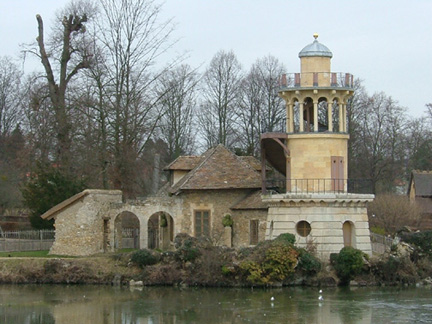
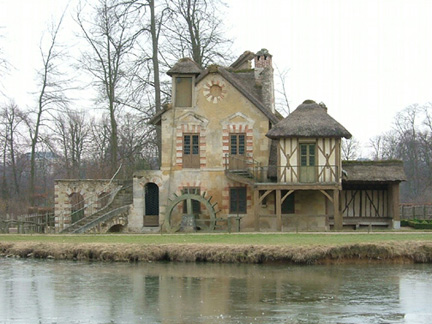
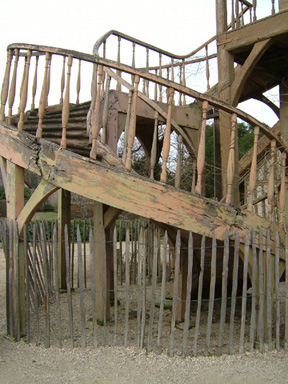
On the high platform, there are two clear octagonal large water mirrors, with classical statues decorating each corner in a poetic and picturesque manner.MidiSeasonal patterned flower beds,were the favorite strolling spots of French queens。Patterned flower beds resembling Eastern tapestries are often adorned with colorful flowers and plants, embellishing the rigorously symmetrical gardens.The North Flower Garden, also known as the Queen's Garden, is located north of the Octagonal Water Mirror and features a vibrant array of colorful blooms, creating a visually stunning scene.The geometrically perfect Queen's Garden lies on a slope, surrounded by magnificent classical statues of various kinds.Without the metaphors and symbols of classical statues, French gardens would lose their intended meaning.Below Mi Ti's flower garden lies a vibrant orange orchard, with subtropical plants meticulously arranged around the patterned flower beds.The delightful orange grove is adorned with exotic flowers and fruits favored by the Sun King: oranges, lemons, pomegranates, cycads, and more.LatoneFountain,is one of the most enchanting fountains in the gardens, offering distant views of the Grand Canal to the front and the Palace of Versailles to the rear,its sweeping vistas are captivating。LatoneDirectly in front of the fountain,There is a lizard fountain in each of the middle sections。This is the most spectacular Apollo Fountain in the Gardens of Versailles, and the core of the entire garden, depicting the god Apollo bravely driving his chariot across the vast ocean, preparing to tour the heavens.Beyond the Apollo Fountain lies the Grand Canal, a network of intersecting east-west and north-south waterways. Enjoying Venetian charm is a unique feature of Versailles; summer is the season for leisurely boat rides.The perspective of the tree-lined avenue is one of the most important features of French gardens, located on both sides of the Apollo Fountain.l EnceladeFountain,Depicts the dramatic scene of the giant Roncesvalles struggling amidst the rocks of Mount Olympus,Highly dramatic。Each body sinks into the magma,A wailing expression,Viewers are all moved by it,is17Marsy's masterpiece。 Even more enchanting when the fountain's water dances,Erupting from the giant's wailing mouth, reaching a height of23meters in crystal-clear water columns。The majestic Dragon Fountain is located below the North Parterre, adjacent to the Fountain of Neptune; both are late masterpieces of Le Nôtre.The Dragon Fountain centers on a blue dragon roaring to the sky, its majestic and thunderous demeanor vividly capturing the moment it leaps from the water into the clouds.A cute, leaping dolphin accompanies the Azure Dragon on each side, vivid and lively, full of visual beauty.The poetic and picturesque fountain is one of the distinctive features of the Gardens of Versailles.Outside the dolphin is a child riding a swan, holding a bow and arrow, seemingly battling a fierce green dragon.A theatrical fountain, even more spectacular when the water dances; these are the most captivating moments for pilgrims in the gardens of Versailles during summer.The North Garden is a popular spot for tourists to enjoy panoramic views of the Queen's Garden and the Dragon Fountain.The area beside the North Flower Garden was also where carriages in the Versailles gardens would pick up tourists.The tranquil King's Garden, once a favorite spot for the Sun King to stroll and unwind, now showcases its glorious past through vibrant flowerbed patterns.The King's Garden, with its birdsong and fragrant flowers, is an excellent spot to escape tourist crowds and a popular date location for couples.The magnificent and spectacular Grand Trianon, also known as the Marble Trianon, was a private small palace of the Sun King. Connected by small canals, Louis XIV would board boats to reach the Grand Trianon via this grand staircase.Marie Antoinettea paradise secluded from the world, centered around a picturesque lake,featuring Greek-style pavilions、small farms、pastures, vegetable gardens, and more。A flock of ducks and swans glide freely on the lake, adding a touch of poetry to the scene.The Dovecote, with its shimmering reflections on the lake to the left of the log cabin, creates a unique pastoral scene.To the right of the small cabin is a water wheel from the farm, evoking a pastoral poetic atmosphere.The extraordinary spiral staircase of the Empress's cabin.
Origins of the Splendid Versailles Gardens: Versailles was once a small village surrounded by dense forests and marshes. Louis XIII frequently hunted here and built a simple hunting lodge in 1624. In 1638, the famous architect Leroy renovated it, constructing a brick-and-stone castle (the palace now inside the Marble Courtyard). The King’s head gardener, Boissieu, planned an exquisite, perfect geometric garden on the high terrace (today’s Grand Bassin).
Following the dramatic events involving Fouquet on August 17, 1661, Louis XIV decided the following year to establish his personal castle and gardens in Versailles. He appointed a strong team: architect Le Vau for planning the palace expansion, royal painter Le Brun for interior and exterior decoration, and the King’s head gardener Le Nôtre for the splendid gardens. Under Le Nôtre’s magical creation and nearly thirty years of careful management, this wild hillside and field were tamed into an unparalleled, magnificent grand garden.
In 1668, Versailles became the court of the Sun King, Louis XIV. In 1678, the King’s chief architect Mansart added the Hall of Mirrors and the north and south wings. The golden and brilliant Versailles became the most typical masterpiece of Baroque art in the 17th century. By 1682, it became the seat of centralization for the Sun King. By 1690, the magnificent Versailles had taken its current form, becoming the cultural center of Europe and an object of emulation by various royal houses, bringing French culture and art to its peak. The grand Versailles became the symbol of France.
The excellent and perfect Versailles Gardens covered 8,000 hectares before the French Social Revolution; today, only 815 hectares remain. The entire magnificent garden features water basins, water beds, fountains, waterfalls, and canals as its main theme. During Louis XIV’s era, there were over 1,500 crystal-clear, magnificent fountains; now, only over 300 remain. Whenever the fountain waters dance, all fountains move and splash in rhythm with classical symphonies, full of momentum and charm, like a poetic and picturesque theater of water splashes, utterly fascinating.
Additionally, several extra-large, colorful seasonal flowerbeds and excellent, perfect patterned gardens bloom like seas of flowers throughout the year, resembling an earthly Eden. Finally, everywhere one looks are over 300 spectacular classical statues (marble, bronze, lead), making it arguably the largest outdoor classical sculpture garden in the world. It is pleasing to the eye, full of visual beauty, leaving people lingering and reluctant to leave.