The American Museum of Art in Giverny is an American Impressionist museum founded by the Terra couple, US ambassadors to France, in 1992. Why establish it in Giverny? Because from the late 19th to early 20th century, American and French art shared a "romance," especially with Monet.
While Gauguin evokes Tahiti, Monet evokes Giverny. After the American War of Independence, many artists traveled to Paris; while most entered academies for traditional training, others followed trends like the Barbizon school and Impressionism. Mary Cassatt was among the first to join Parisian artistic circles in 1872, admired by Degas, and helped introduce Impressionism to America. Dealer Paul Durand-Ruel also played a key role, introducing Barbizon and Impressionist works, particularly Monet’s, to the Americas, attracting many American admirers. Painter Lilla Cabot Perry even moved to Giverny to be Monet’s neighbor.
From 1887, three groups of young American painters came to Giverny to paint with Monet until WWI. This connection is preserved in their works; Theodore Robinson’s painting depicts American painter Butler marrying Monet’s daughter Suzanne on July 20, 1892. This painting serves as the cover of the museum’s introduction, highlighting its focus on historically significant works.
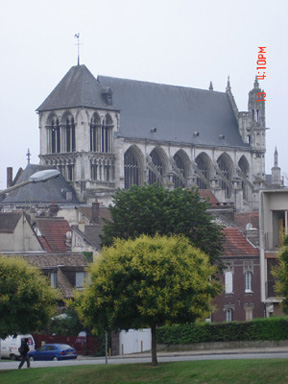
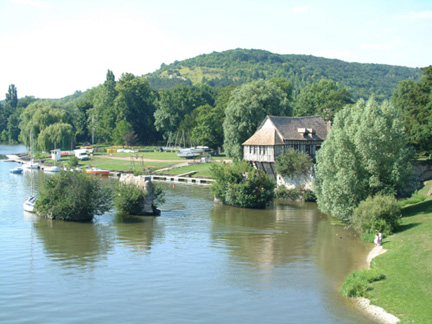
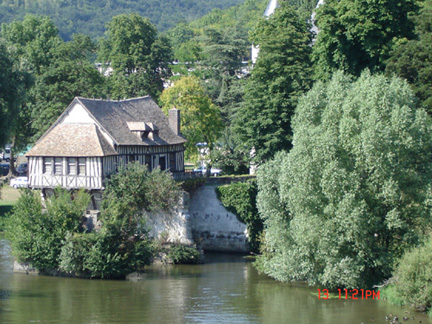
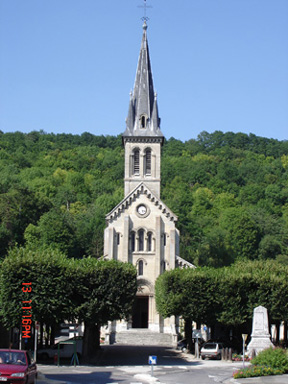
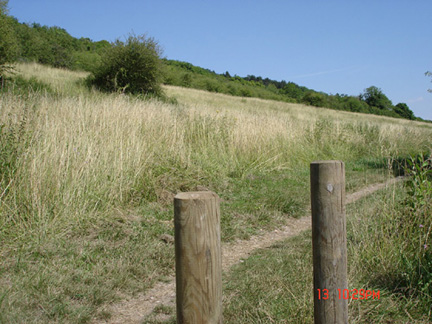
Giverny Jardins de Monet: A Holy Land of Impressionism. Giverny is a typical small village in Normandy, western France, lush and picturesque, with the winding Seine River passing through to Saint-Lazare. Backed by scenic hills, every scene resembles an excellent Impressionist landscape. Monet said, “The natural beauty of this small village fascinates me,” justifying his settlement here. The quiet village is famous not for local products but as Monet’s late residence, where he created his world-famous water lilies and garden series. The gardens, open only seven months a year, attract over four million Impressionist pilgrims worldwide.
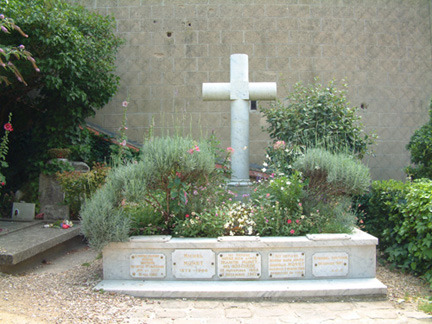
The Monet Foundation in Giverny commemorates both the artist’s life (home, studio, garden) and his artistic journey (settling there at age 43 until death). His mature masterpieces, including haystacks, Rouen Cathedral, water lilies, and landscapes, were completed here. After Monet’s death in 1926, his son Michel inherited the property but loved hunting, leaving the house and garden to his sister-in-law. He sold Monet’s artworks to major American museums, while his Japanese prints were stored at the Musée Marmottan Monet, leaving the spiritual heritage as an empty shell. After the sister-in-law’s death, the house deteriorated, and the garden fell into disrepair. In 1966, Michel donated the property to the Academy of Fine Arts. Thanks to international donations, a restoration fund was raised. Architect J. Carlu planned the project, and Versailles garden restoration director Van der Kemp executed it, restoring Monet’s visage by 1977, making it a pilgrimage site today.
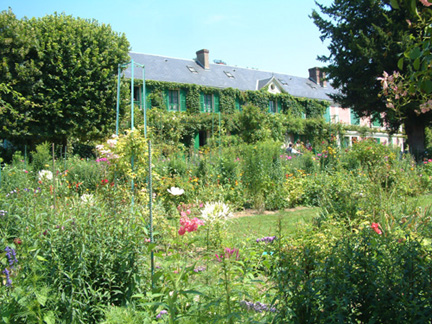
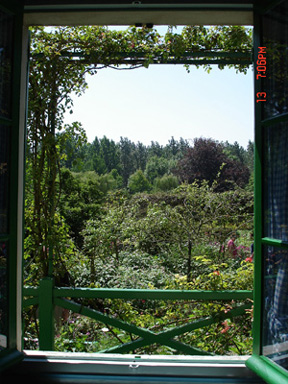
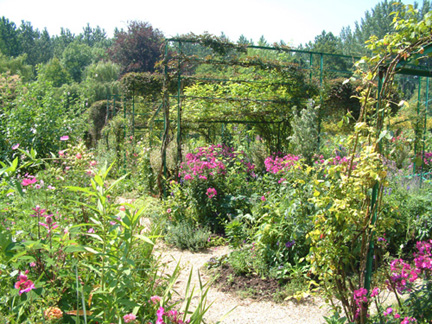
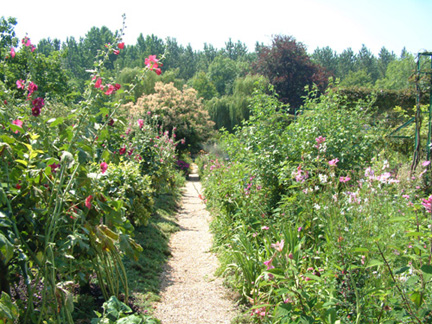
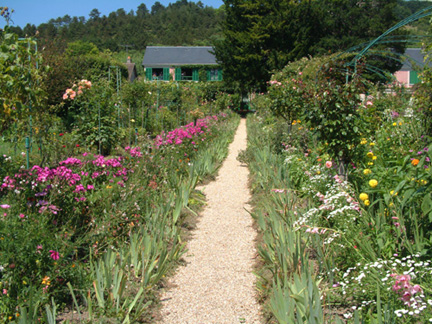
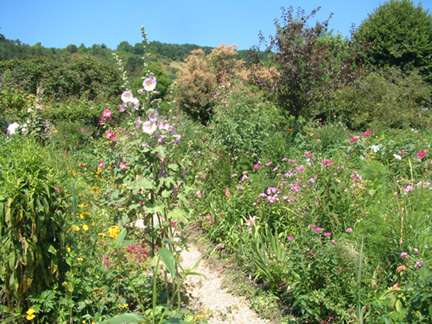
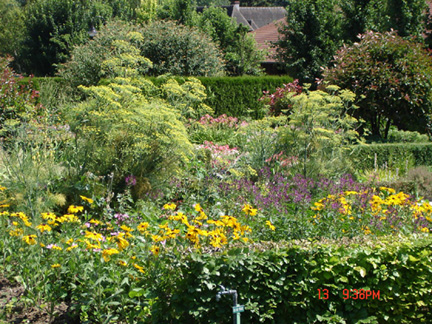
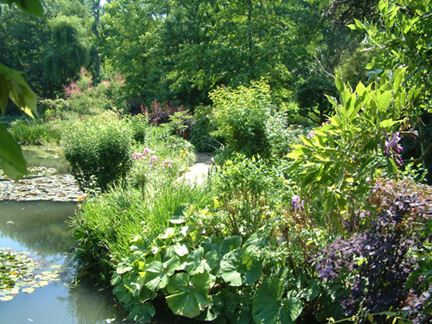
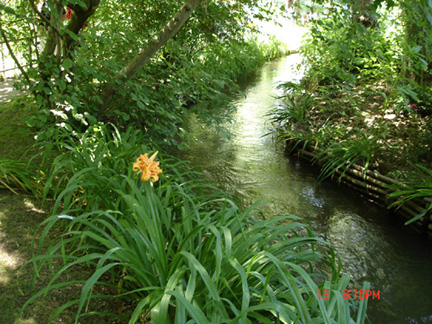
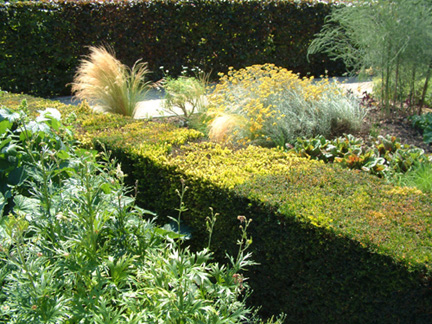
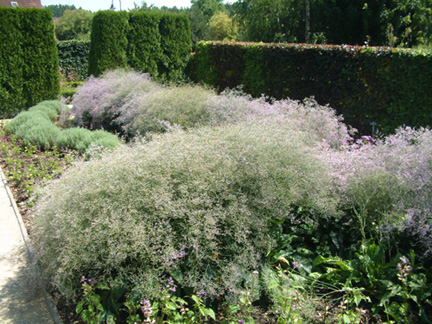
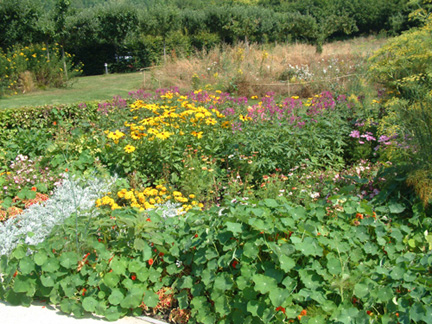
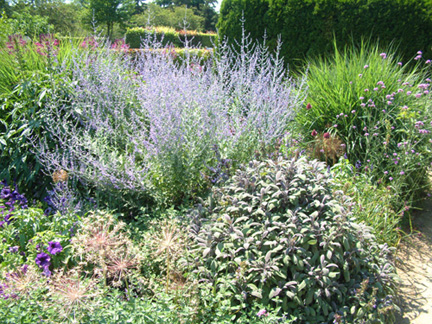
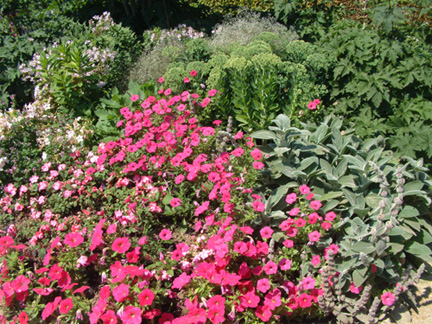
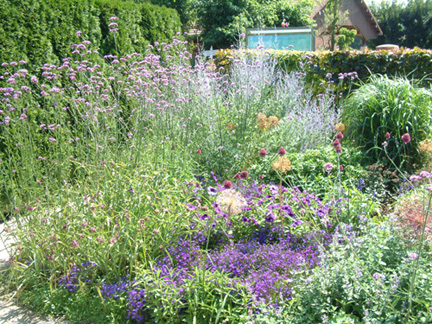
Artistic Masterpiece - The Garden: Monet said, “My most perfect masterpiece is my garden.” Indeed, this lush, colorful, and poetic garden reflects the artist’s spirit, becoming an embodiment of art itself. The Flower Praise front yard, or land garden, centers on the house entrance, with a green path dividing two seasonal flower beds. Under orderly arrangements, rhythmic plants create a visual feast akin to painting, echoing Wang Wei’s “poetry in painting.” Flower beds framed by low fruit tree hedges, apple, pear, plum trees, and Japanese cherry trees form mesmerizing seas of flowers in spring. Summer brings dazzling blooms, while autumn offers poetic chrysanthemums.
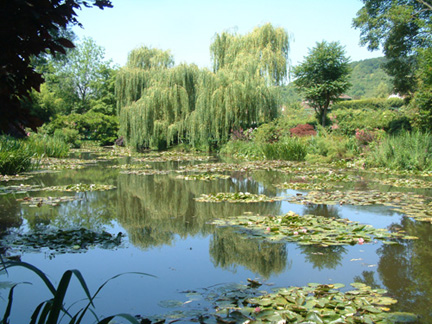
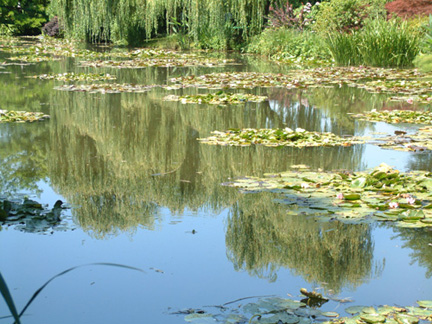
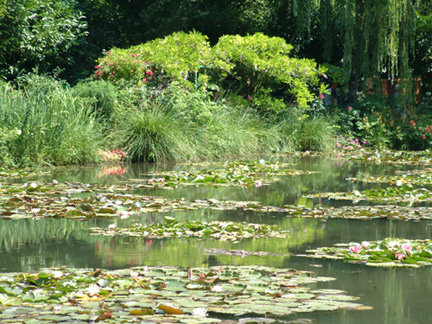
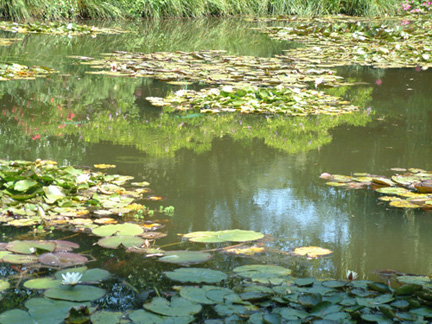
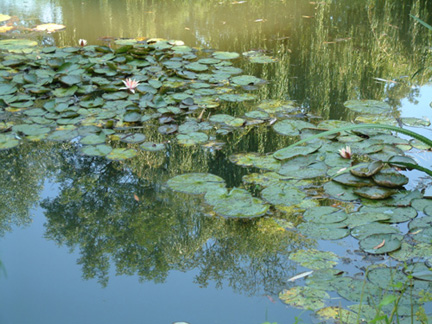
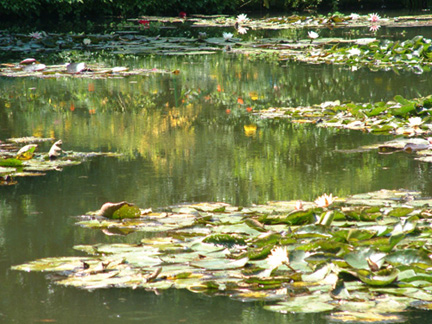
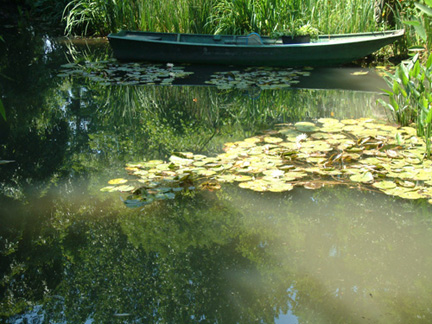
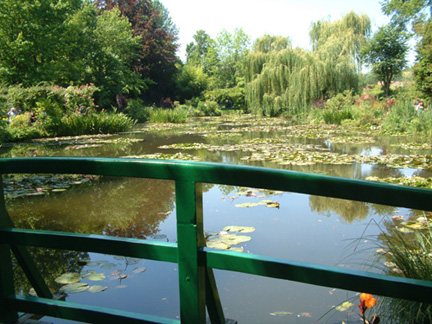
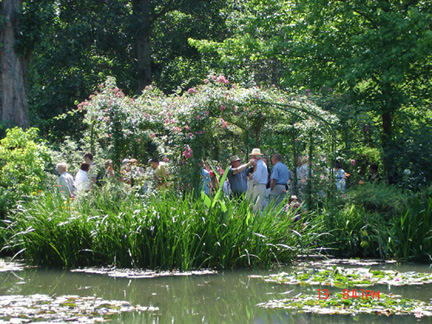
After viewing Monet’s late water lilies at the Orangerie, one immediately recalls his poetic pond. Passing through an underground walkway, visitors discover the true face of the painted water lily pond, reflecting Monet’s admiration for Eastern aesthetics. The mirror-like pond showcases deep space and imagination. The waterside features willows, maples, bamboo, and roses. A Japanese-style wooden bridge covered in wisteria adds exotic charm in spring. Every scene is a Monet painting, immersing visitors in his artistic world. (Visiting the American Museum of Art after seeing Monet further clarifies the relationship between Monet and American artists.)