The "Cézanne in Provence" (Cezann en Provence) centenary exhibition commemorating his death (June 9 to September 17, 2006) was held at the Granet Museum in Aix-en-Provence, his birthplace and retreat.
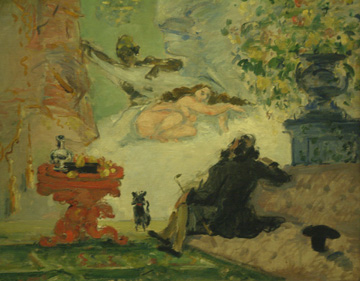
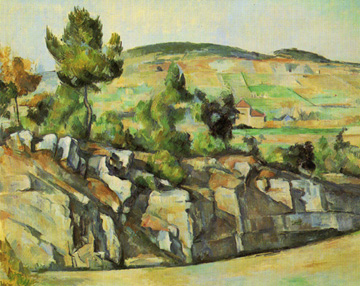
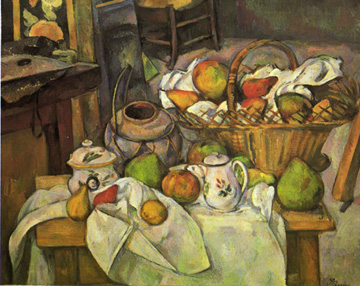
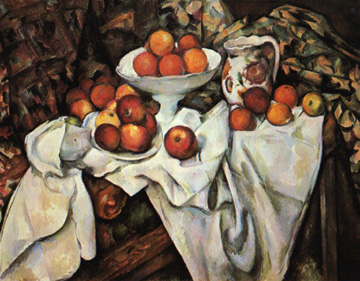
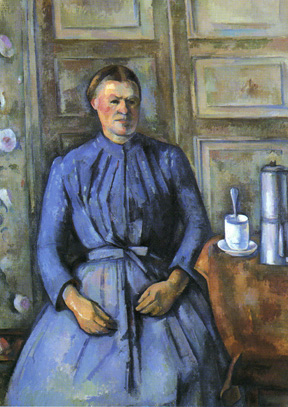
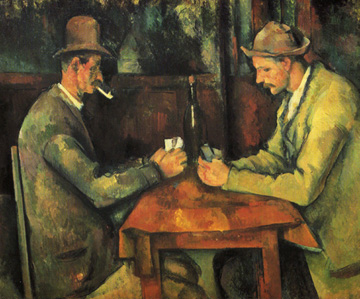
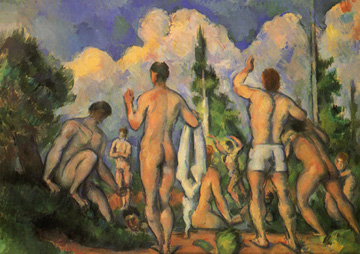
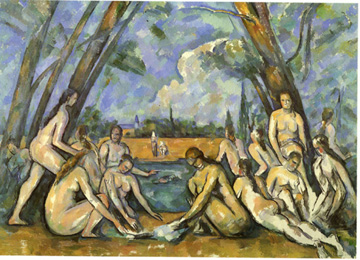
In 2006, marking the centenary of the death of Cézanne, the father of modern painting, France organized this special exhibition to honor the painter who most influenced 20th-century modern art. It featured 116 rare works from major museums worldwide (84 paintings and 32 watercolors). The exhibition clearly presented his brilliant creative career, ranging from portraits, self-portraits, still lifes, and large bathers scenes to landscapes (notably Provençal scenery such as Château Noir, rocks, and Mont Sainte-Victoire).
Cézanne (1836–1906) is the most representative painter of French Post-Impressionism, known as the father of modern painting. Early on, like the Impressionists, he engaged in plein air sketching, exploring form, color, and space. He then strove to transform visual beauty into a geometric style based on formal construction principles. His main subjects included figures, still lifes, landscapes, and bathers. His artistic concepts and subject matter had a significant impact on major 20th-century art trends, particularly on Fauvism, Cubism, and Abstract Art.