Address: 222 Rue de l'Université et Quai de Branly, 75007 Paris. Phone: 01 56 61 70 00. Metro: RER C line Pont de l'Alma. Hours: 10:00–18:30. Closed: Mondays. Visit duration: approx. 2 hours. Website: Quai Branly Museum www.quaibranly.fr.
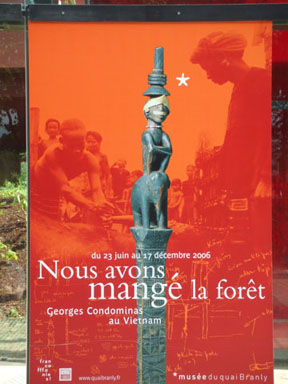
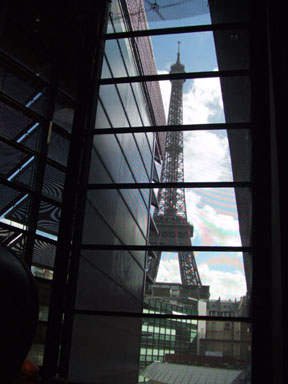
The Quai Branly Museum is a unique new addition to Paris, inaugurated on June 20 by French President Chirac and opened to the public on the 23rd. Its three-day free admission attracted nearly 30,000 curious art visitors, signaling its future status as one of the most important museums alongside the Louvre, Musée d'Orsay, and Centre Pompidou. Its modern architecture, imaginative gardens, and diverse collection of primitive artifacts rival these world-class institutions. Located on the left bank of the Seine near the Eiffel Tower, it benefits from prime location and support.
This cutting-edge museum is dedicated to the primitive arts of non-Western civilizations (Asia, Africa, Americas, and Oceania). It was championed by President Chirac during his term, reflecting his known fascination with primitive and Oriental art. In Paris, home to many museums but lacking a proper non-Western institution, this museum honors distant, magical civilizations. As the birthplace of the Declaration of Human Rights, dedicating a museum to these cultures signifies respect for their past glory and cultural power. Chirac uses this museum to convey messages of peace, respect, and coexistence, opening a new era of equality in our globalized civilization.
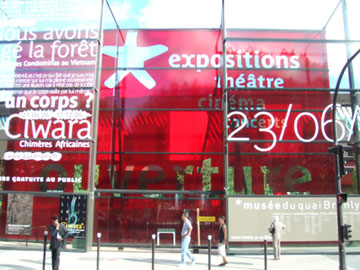
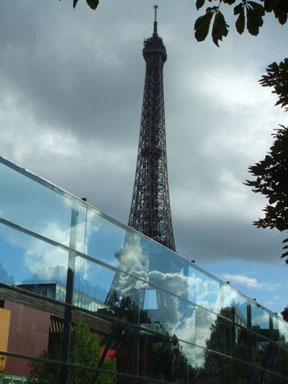
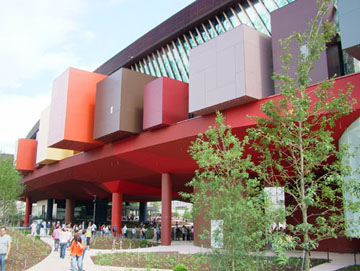
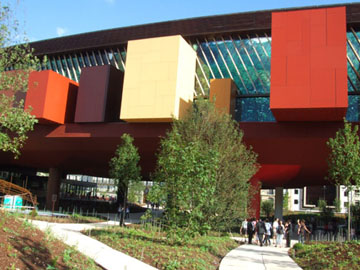
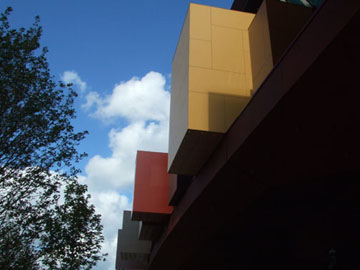
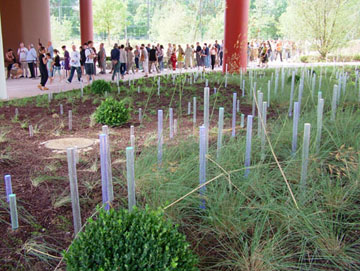
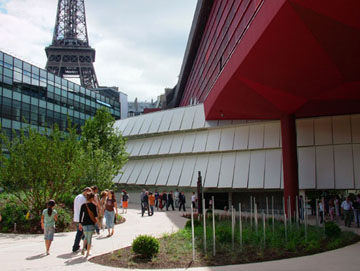
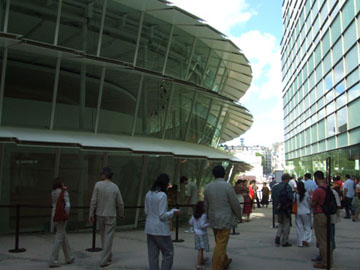
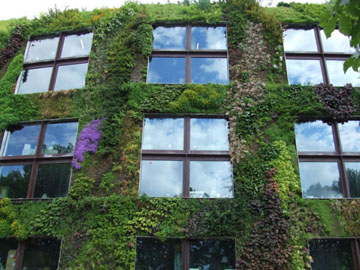
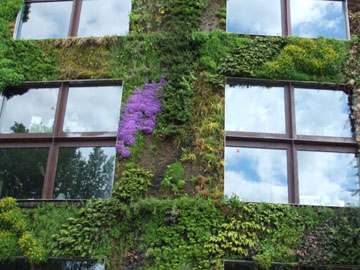
Designed by renowned architect Jean Nouvel, following the Arab World Institute and the Fondation Cartier, it is a masterpiece built with steel and transparent glass. The main structure is suspended on wooden piles like a pavilion, surrounded by lush gardens featuring over 180 species of plants, including 15-meter-tall subtropical trees, planned by horticulturist Gilles Clement. The south side faces the Seine, adorned with 26 colorful relief blocks that create an urban poetic atmosphere. A large transparent glass wall separates the museum from the street. The administrative building features a vertical garden designed by botanist Patrick Blanc.
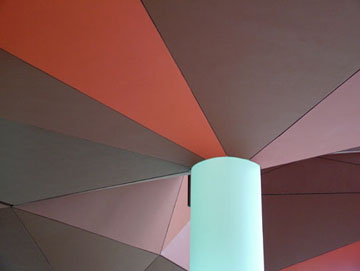
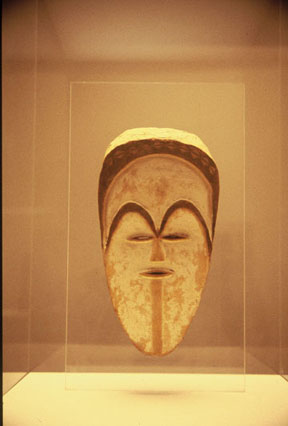
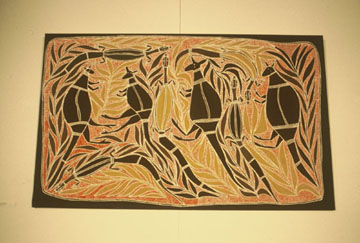
Inside, the space is organized along a route from the Atlantic to Australia, Asia, Africa, and the Americas, displaying various artifacts and audiovisual materials across a gallery stretching over 200 meters. Two suspended galleries host thematic exhibitions, while another houses a multimedia center. The lower floor offers a 2,000-square-meter space for regular exhibitions, featuring a ceiling design by Australian Aboriginal artists inspired by black-and-white geometry. With 30,000 items in its collection, only 3,500 are currently displayed. Some pieces were previously exhibited at the Louvre's African and Oceanic rooms. The collection derives from the defunct Museum of African and Oceanic Arts, the Saint-Germain-en-Laye National Museum of Antiquities, and the Musée de l'Homme, representing classic works of ancient civilizations. In today's postmodern and globalized world, these "bright ancient civilizations" represent hope for humanity.
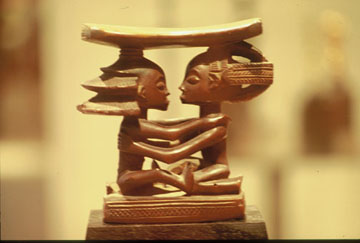
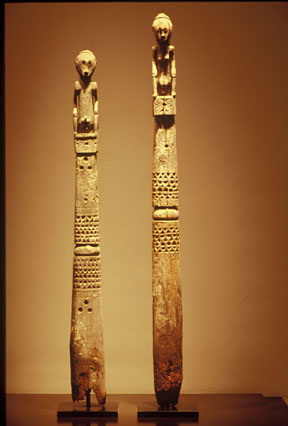
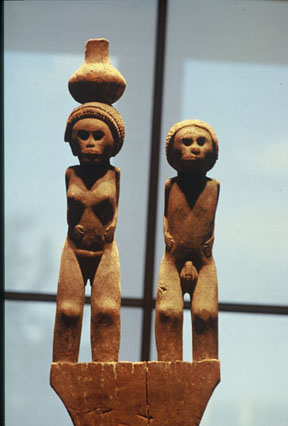
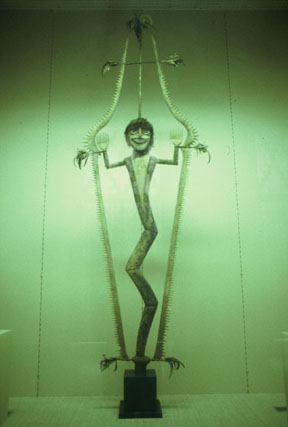
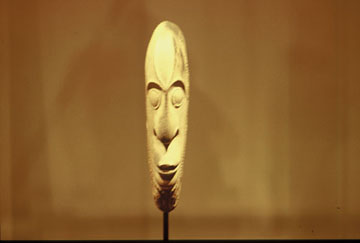
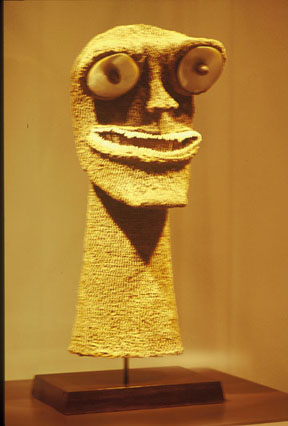
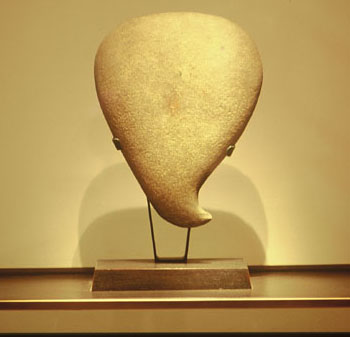
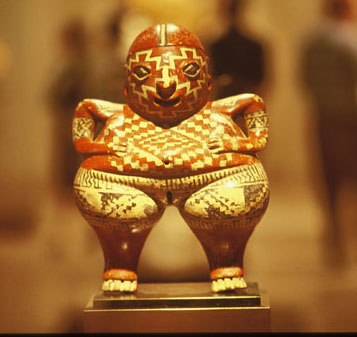
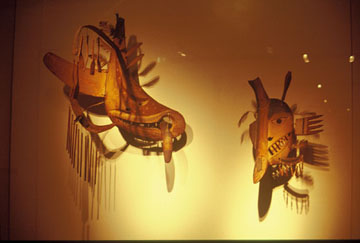
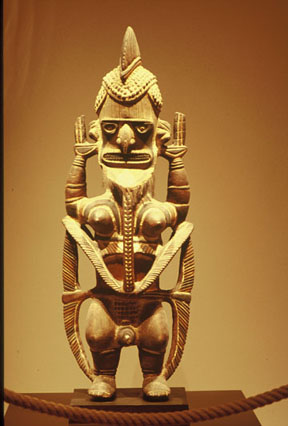
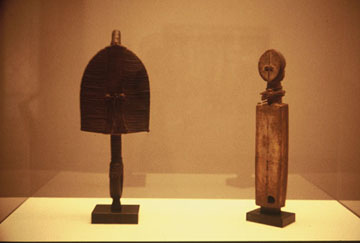
The following images from the Quai Branly Museum are sourced from archives of the Louvre and the former Museum of African and Oceanic Arts.