Address: 5 Rue de Thorigny 75003 Paris
Phone: 0142712521
Metro: Line 1 Saint-Paul, Line 8 Chemin Vert
Opening hours: 9:30–18:00
Closed: Tuesdays
Visit duration: approx. 2 hours
Website: Picasso Museum www.musee-picasso.fr
In our era, no artist is more renowned or representative than Picasso (1881–1973). In 20th-century modern art, Picasso was a reformer; his works of rich imagination often displayed a contempt for "beauty" amidst contradictions. Tracing his evolution from Realism to the Blue Period, Rose Period, Cubism, Analytic Cubism, Neoclassicism, Surrealism + Cubism, Eclecticism, Mannerism, and Baroque reveals the metamorphosis of his artistic achievements throughout his life.
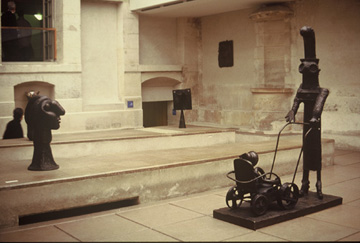
Picasso was a rare genius in modern art history. Any concept, filtered through his sensitive mind, transformed into a new style; any material, handled by his skillful hands, became art. Picasso’s art was diverse, multifaceted, and varied, making him simultaneously a painter, draftsman, sculptor, printmaker, and illustrator.
Romantic and innocent by nature, Picasso was a great lover unbound by traditional moral norms. Every artistic phase was linked to "love." Like a matador in the ring, each relationship (accompanied by studio changes) yielded new painting styles—a phenomenon unprecedented in art history.
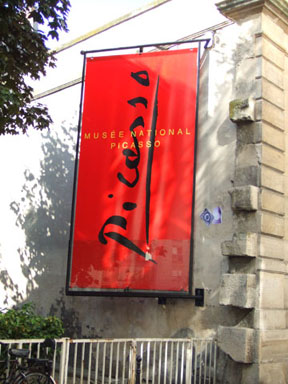
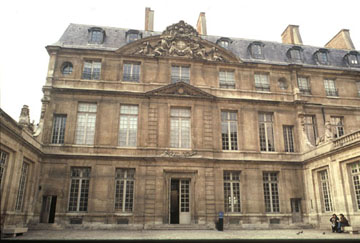
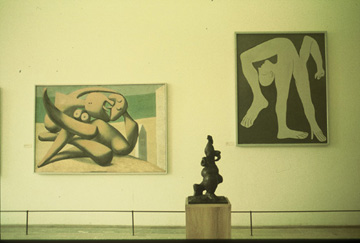
The National Picasso Museum in Paris holds the most complete collection of Picasso’s works. This museum is not his former residence or studio but was formed after his death in 1973 through estate taxes paid in artworks (under a 1968 law allowing art instead of cash), donations from his family, and works provided by major French museums, enriching the collection.
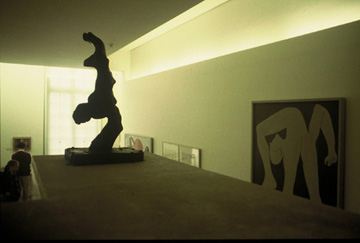
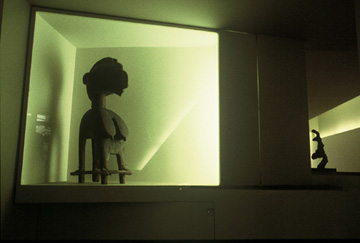
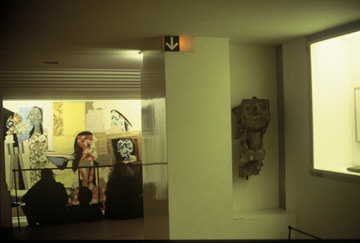
Since its opening in 1985, the Picasso Museum has attracted thousands of art pilgrims. Visitors can see works from every colorful stage of his life, including some never before publicly exhibited.