Address: 36 Rue Geoffroy-Saint-Hilaire, 75005 Paris
Phone: 01 40 79 39 39, 01 43 36 54 26
Metro: Lines 5 and 10 or RER C to Gare d'Austerlitz
Opening Hours: 10:00–18:00
Closed: Tuesdays
Visit Duration: Approximately 1.5 to 2 hours
Website: www.mnhn.fr
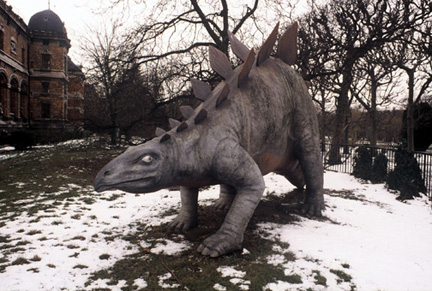
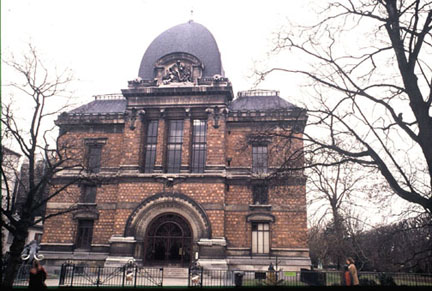
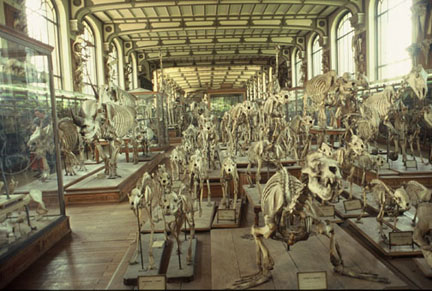
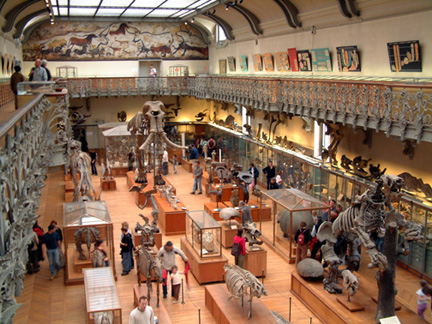
If you are interested in the evolution and development of natural ecology, the National Museum of Natural History in Paris is a must-visit, nestled within the lush botanical gardens. It is currently the world's largest and most richly endowed natural history museum, immersing visitors completely in the natural world. The museum boasts an extensive collection of human and natural science materials, including animals, plants, minerals, anthropology, ethnology, and prehistoric flora and fauna. With tens of millions of specimens, it includes 250,000 mineral types, 300,000 rock types, over 2 million animal specimens and plant fossils, 7 million plants, 9 million flowers (found in Paris's major gardens and botanical parks), 15 million insects, 200,000 bird species, 150,000 mammal species, 35,000 human skulls, hundreds of human skeletons, and millions of prehistoric bones (various dinosaurs, mammoths, hominids, etc.). Additionally, there are over 30 anthropological specimens and numerous living animals across Paris's four major zoos. These collections are divided into five main halls: Zoology, Mineralogy, Botany, Paleontology, and Entomology.
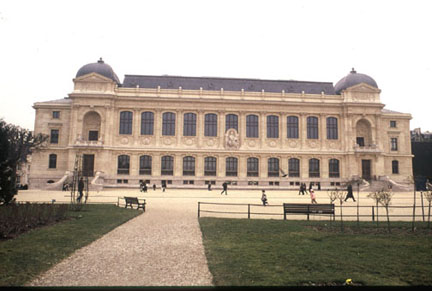
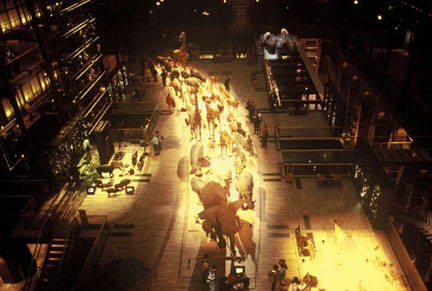
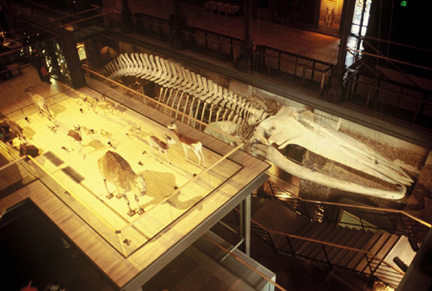
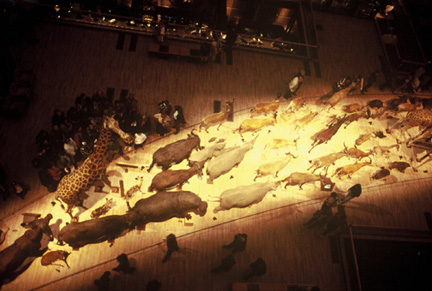
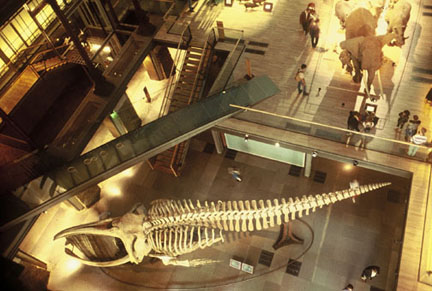
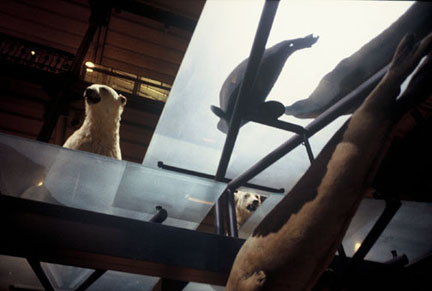
The Zoology Hall, part of the National Museum of Natural History, was designed by architect J. André at the end of the 19th century and opened during the 1889 World's Fair. It operated until its closure for renovation in 1965, reopening with a new look in 1994. Since then, the permanent exhibition in the Zoology Hall's grand gallery has showcased the ecological evolution and development of animals within a space of 6,000 square feet. In this modernized facility, visitors do not merely observe the evolution of animal life but enter a contemporary installation art space. Under special lighting and accompanied by music simulating the progression of life, visitors experience beauty and knowledge. The exhibition is divided into three major scenes: I. Diverse Forms of Life, II. The Progression of Life, and III. Factors in Human Development.
Beautiful Paris Homepage | Art Journey Homepage | P2 - Paleontological Museum (Paleontologie)
Beautiful Paris Homepage | Art Journey Homepage | Back to Previous Page - P1