
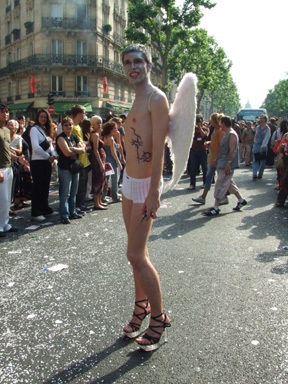
takes place on Saturday, June 24. This year (1996) it was particularly grand, with over 600,000 participants joining a carnival-like procession. Amidst the dazzling sensory spectacle of costumes and floats, thousands of Parisians lined the streets to watch.
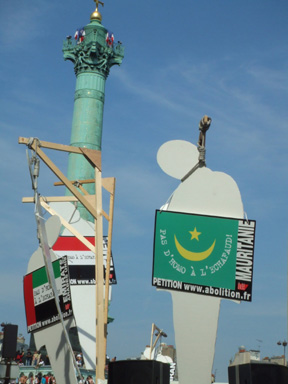
Groups from around the globe participated, including Eastern Europe, South America, Southeast Asia (Singapore, Thailand, Vietnam), North African Arab countries, and Africa. Due to globalization, nearly every color was represented. Homosexuality has existed in every corner of the earth since ancient times. However, in many non-Western countries, it has been viewed as a psychological abnormality or mental illness, threatening its right to exist. In extremely conservative nations, homosexuals are forced into underground lives; public expression can lead to social condemnation, imprisonment, or even the death penalty.
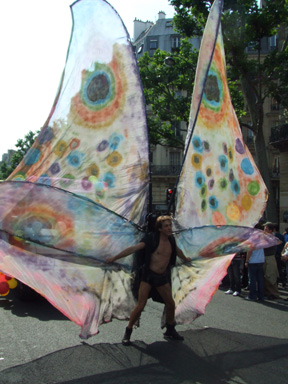
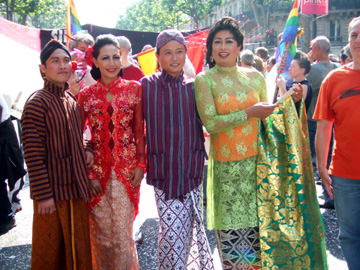
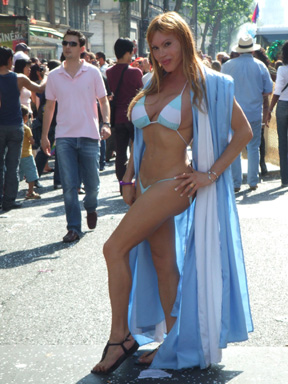
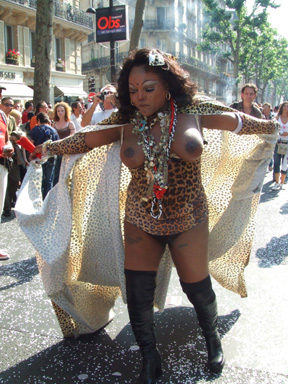
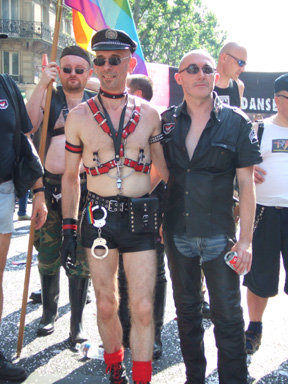
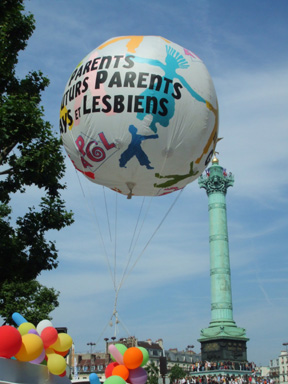
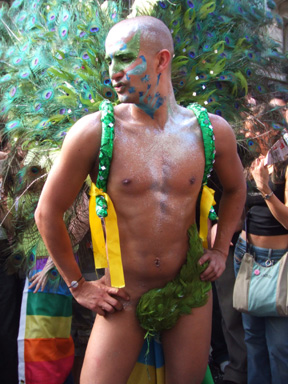
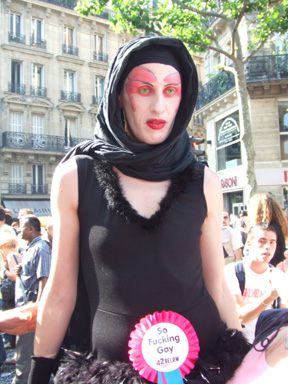
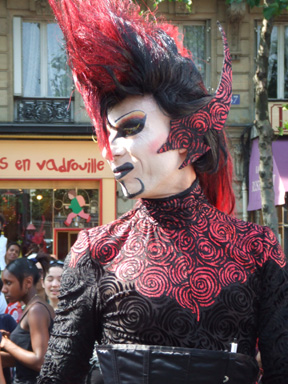
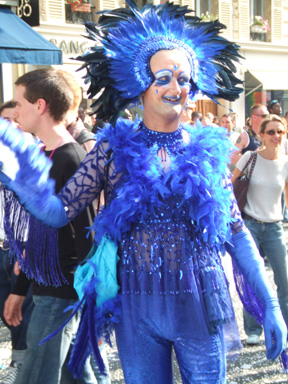
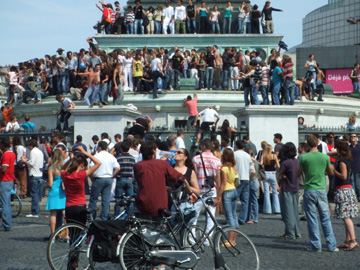
In the 21st century, some advanced Western countries (such as the Netherlands, Belgium, Spain, and some Nordic nations) have passed laws protecting these unique rights, respecting personal freedom, same-sex marriage, and adoption. This year, the parade was held for the first time in Warsaw, Poland, and Moscow, Russia. This clearly reflects the liberation wave brought by freedom and democracy in Eastern Europe. Homosexuals stepped out of society's dark corners, gathering courage to challenge traditional morality, though they faced attacks from far-right groups and religious organizations. Nevertheless, this was at least a step toward the light.
The Paris parade was especially grand this year, stretching from Montparnasse to Bastille Square. In this free, liberating, and romantic city, gay groups from around the world were specially invited to participate. Unlike past years, this parade had a strong political tone (the slogan was "Equality in Rights by 2007"), as next year marks the French presidential election. Various groups advocated for political rights (same-sex marriage and adoption) and welfare (HIV treatment and social benefits), or accused the government of discrimination against right-wing or far-right parties, and oppression of third-world homosexuals' rights. Political figures such as Paris Mayor Bertrand Delanoë, Socialist Party leader Françoise Hollande, and legislator (former Minister of Culture) Jacques Lang participated, clearly indicating the Socialist Party's more open stance on homosexual rights.
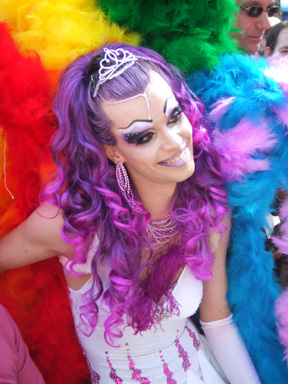
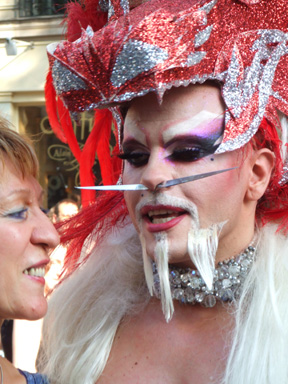
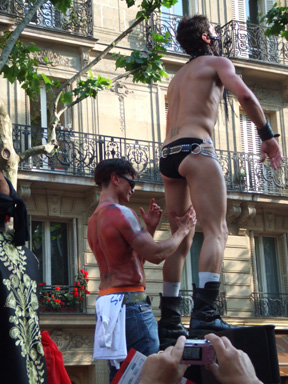
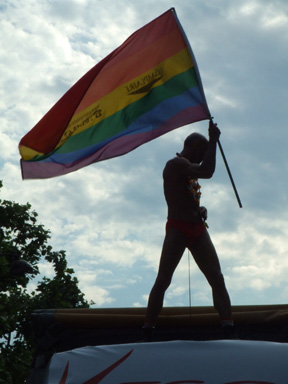
The parade concluded amidst poetic and sensual carnival makeup, with groups following floats featuring surreal sound and light effects. Amidst colorful costumes and lively music, people danced joyfully. The atmosphere was sexy, exciting, and lively, mixed with humor, satire, comedy, and tragedy, declaring their rights and freedom like a earthly paradise. It ended with rock music melodies at Bastille Square. (The full name of this parade is Lesbian Gay Bisexual and Transgender Pride Parade.)
Back to Paris Society and Politics Platform Table of Contents